


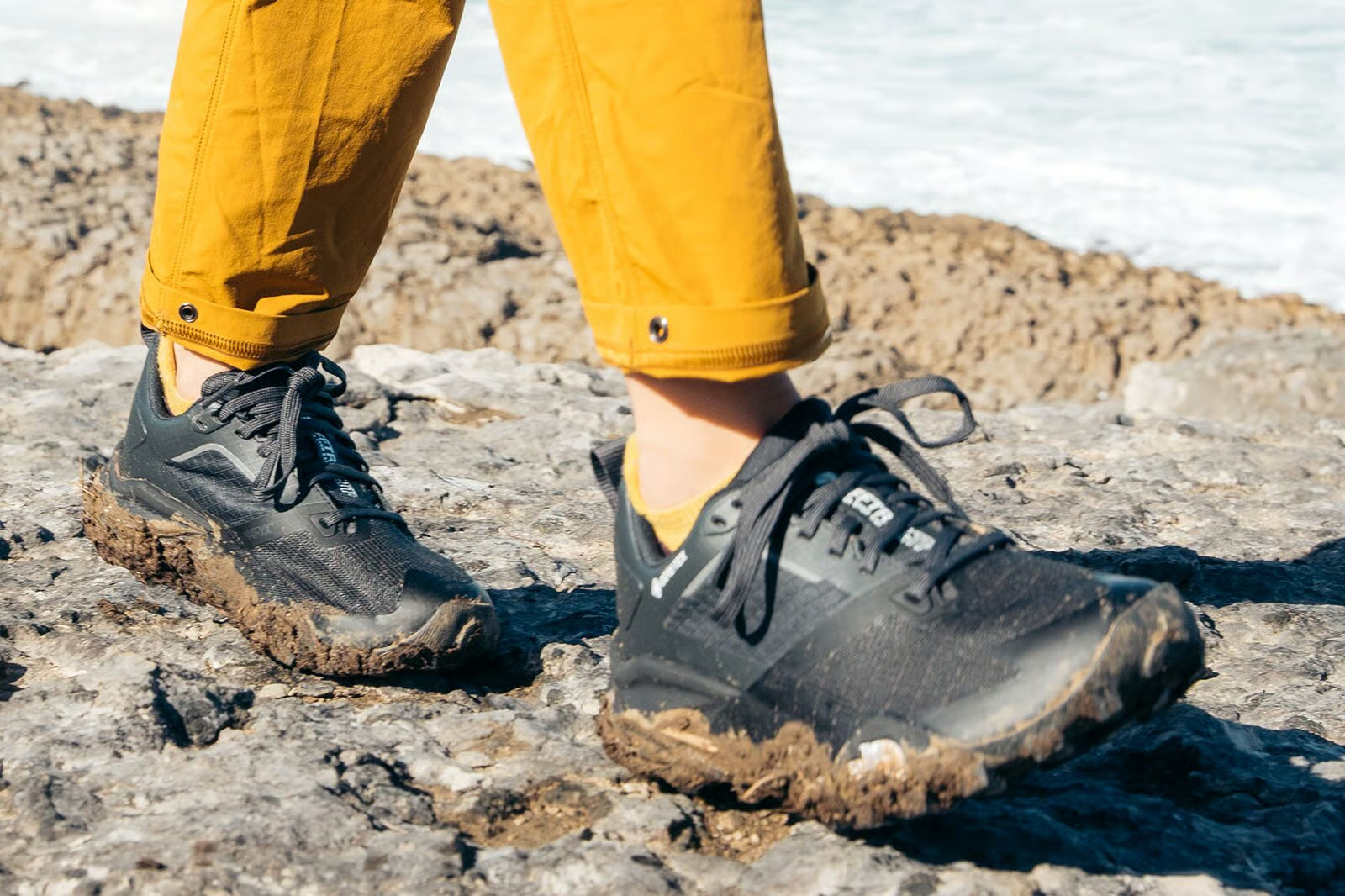





Introduction: The Dying Craft of Fieldcraft
In a world where technology has become the backbone of survival, it’s easy to overlook the raw skills that sustained humanity for millennia. With the proliferation of GPS, satellite communication, and high-tech survival gear, one might assume that the age-old skill of fieldcraft—the art of living in the wild using nothing but your wits and the resources around you—has been left behind. But is fieldcraft truly a lost art? Or has it merely evolved into a less visible, albeit still essential, skillset for modern survivalists?
What is Fieldcraft?
Fieldcraft, at its core, is the practical knowledge of surviving in the wilderness using natural resources and personal ingenuity. Historically, it was the difference between life and death for hunters, explorers, and soldiers. This skillset encompasses a wide range of practices, including tracking, shelter-building, fire-making, foraging, navigation by natural means, camouflage, and understanding animal behavior. Unlike modern survival training, which often relies on pre-packaged gear and electronic devices, fieldcraft emphasizes self-reliance, adaptability, and an intimate connection with the environment.
In the past, fieldcraft was indispensable. Native peoples, early explorers, and soldiers during wartime knew how to live off the land, find water, identify edible plants, and craft tools from natural materials. This knowledge was passed down through generations, a vital part of human culture and survival. But in the context of modern survival training, fieldcraft is sometimes seen as archaic, replaced by gadgets and systems designed to simplify survival.
The Rise of Technology in Survival Training
In recent years, the field of survival training has undergone a significant transformation. While traditional survival skills are still taught by some schools and experts, a large portion of modern survival training is dominated by technological advancements. GPS devices, satellite phones, solar-powered equipment, and even drones have revolutionized the way people approach survival situations.
Technology offers several advantages, such as precision navigation, instant communication, and the ability to carry lightweight, high-efficiency gear. These tools can make a life-or-death difference in critical moments. For example, in a wilderness scenario, a GPS can lead you directly to safety, or a satellite phone can connect you to emergency services when all else fails. The modern survivalist can carry an entire survival kit in a backpack, complete with water purifiers, shelter materials, and first aid supplies—all thanks to the ingenuity of modern technology.
However, the heavy reliance on such tools has raised an important question: have we sacrificed fundamental skills in the process? Is there still value in understanding the world around us without relying on the digital crutch of modern devices?
The Decline of Fieldcraft
Many modern survival courses emphasize the use of technology and gear, but fail to properly integrate traditional fieldcraft techniques. In some instances, fieldcraft has been relegated to the realm of “primitive” or “primitive skills” courses, often marketed as niche hobbies rather than essential survival practices. While some hardcore survivalists and military forces still maintain a high level of fieldcraft proficiency, the general population seems to be forgetting how to live off the land without relying on technological shortcuts.
The shift from traditional fieldcraft to a more gadget-oriented approach reflects a broader societal change. The majority of people today are disconnected from nature. Urbanization, technological dependence, and the shift to a more sedentary lifestyle have led to a general unawareness of basic survival principles. Moreover, many people view outdoor activities like hiking and camping as recreational pursuits rather than as tests of survival skills. As such, many modern survivalists focus more on tools and kits than on mastering the land and the environment around them.
The Core Elements of Fieldcraft
While survival gear and technology may have their place, fieldcraft remains an essential foundation for truly understanding the wilderness. The core elements of fieldcraft revolve around an intimate knowledge of nature, the ability to adapt to changing conditions, and the resourcefulness to make do with what you have.
1. Shelter Building:
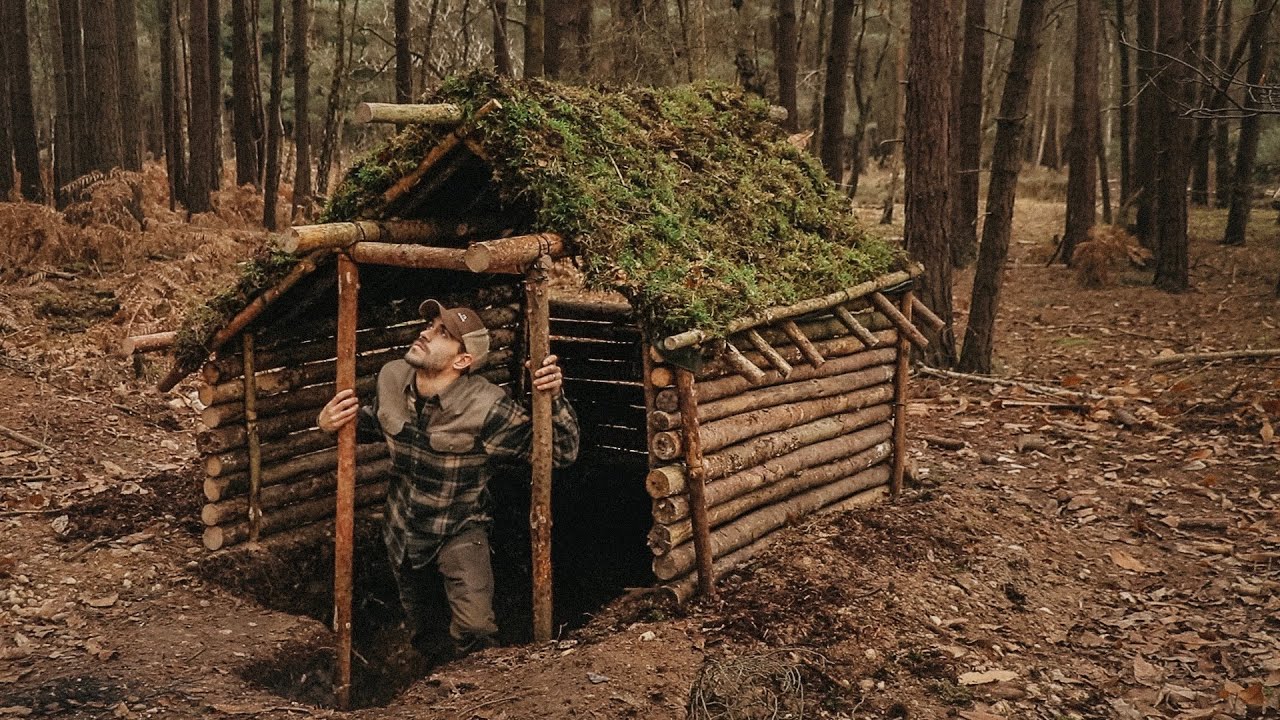
A key component of fieldcraft is the ability to build effective shelters using materials found in the environment. Whether it’s a lean-to made of branches, a debris hut, or a more elaborate structure using leaves, grass, and bark, shelter building is essential for protection from the elements. Modern survival gear often comes with lightweight tents or tarps, but the ability to build a shelter from scratch using natural resources is a critical skill that can save your life in a long-term survival situation.
2. Fire Making:
The ability to make fire is perhaps the most iconic survival skill. In the days before matches and lighters, fire was made by friction, striking stones, or using a bow and spindle. Today, fire-starting tools are abundant, but the skill of making fire from natural materials is a testament to self-sufficiency. Knowing how to gather and prepare the right kind of tinder, kindling, and fuel, and how to start a fire without modern conveniences, is a core aspect of fieldcraft.
3. Foraging and Hunting:
Fieldcraft also includes knowing how to find food in the wild. This involves foraging for edible plants, mushrooms, berries, and roots, as well as understanding which animals are safe to hunt and how to trap them. In modern survival training, it’s easy to rely on freeze-dried meals or energy bars. But foraging and hunting require a deep knowledge of the land and the ability to identify what is safe and nutritious.

4. Navigation Without a Compass:
While GPS devices are incredibly useful, the ability to navigate using natural landmarks, the sun, and the stars is an important part of fieldcraft. Techniques like “dead reckoning” (navigating by known distances and directions) or using a map and compass to understand terrain are fundamental survival skills. In a worst-case scenario, when electronic devices fail, these traditional navigation techniques can mean the difference between getting lost and finding your way out.
5. Camouflage and Concealment:
Effective camouflage and concealment are critical in situations where stealth is necessary—whether you’re avoiding predators, evading hostile forces, or simply trying to go undetected in the wild. This aspect of fieldcraft involves blending in with your surroundings, using natural materials like leaves, mud, and moss to disguise your presence. Mastering camouflage techniques can be a valuable asset in any survival situation.
6. Tracking and Animal Behavior:
Understanding animal behavior and tracking is another vital aspect of fieldcraft. Whether you’re tracking game for hunting or attempting to avoid predators, knowing how to read animal tracks and signs is essential. For survivalists, the ability to anticipate animal movements and habits can mean the difference between a successful hunt or a dangerous encounter.
Why Fieldcraft Still Matters
Despite the advent of survival gadgets and technology, fieldcraft remains a crucial skill for anyone serious about survival. Technology can fail. Batteries can die, signals can be lost, and equipment can break. In such situations, those who have honed their fieldcraft skills will have a distinct advantage.
Moreover, fieldcraft fosters a deeper connection to the natural world. In a time when many people feel disconnected from nature, fieldcraft offers a way to rekindle that relationship. By learning to live with the land, rather than simply using it, survivalists can gain a greater appreciation for the ecosystems that sustain life.
Fieldcraft also teaches adaptability. A key principle of survival is the ability to adapt to changing conditions. While technology can be helpful, it cannot replace the human ability to think critically and improvise in the face of challenges. Fieldcraft forces you to rely on your senses, instincts, and resourcefulness, and these are skills that can be applied in any situation, whether you’re in the wilderness or the urban jungle.
Conclusion: Is Fieldcraft a Lost Art?
No, fieldcraft is not a lost art. It may have faded into the background of mainstream survival training, but it remains an essential component of true wilderness survival. While modern tools and technology can certainly aid in survival, they cannot replace the depth of knowledge, adaptability, and resourcefulness that fieldcraft provides. In a world where digital devices can fail and the wilderness remains as unpredictable as ever, fieldcraft is an invaluable skill that every modern survivalist should strive to master.
So, is it time to bring fieldcraft back to the forefront of survival training? Absolutely. As survival experts continue to emphasize the importance of mental and physical resilience, the timeless skills of fieldcraft offer a powerful reminder of our primal connection to the earth. In an increasingly tech-dependent world, these skills are as vital as ever.