






Hiking offers a chance to escape the noise of everyday life, immerse oneself in the beauty of nature, and recharge the mind and body. Yet, as more people flock to the outdoors, there’s an undeniable impact left behind. From trampled vegetation to littered landscapes, human activity has the potential to disrupt delicate ecosystems. In response, the Leave No Trace (LNT) movement was born, aiming to reduce our environmental footprint while we explore the wilderness.
The question arises: Is it possible to hike without leaving a trace? The answer is more nuanced than a simple “yes” or “no.” While we can’t entirely erase our presence from the wild, we can certainly minimize our impact by adopting mindful practices. This article explores the core principles of Leave No Trace, its application in hiking, and how we can each contribute to preserving the natural world.
1. The Principles of Leave No Trace
Leave No Trace isn’t just a set of rules; it’s a philosophy. The movement is built on seven core principles that guide outdoor enthusiasts in reducing their ecological footprint. These principles serve as a framework to ensure that even in our pursuit of adventure, we do so with respect for the environment.
1.1 Plan Ahead and Prepare
The first principle of Leave No Trace stresses the importance of planning ahead before setting out on your hike. While spontaneity is one of the joys of hiking, preparation ensures that we don’t inadvertently cause harm to the environment. This means understanding trail conditions, weather forecasts, and the specific needs of the area you’re hiking in.
Some key aspects of planning ahead include:
- Choosing the right trail: Researching your destination beforehand helps to avoid heavily trafficked areas or sites that are sensitive to human impact. If possible, opt for less popular trails or visit during off-peak times.
- Permits and regulations: Many protected areas require permits for overnight camping or hiking. By following these guidelines, you help preserve the integrity of the land and avoid overcrowding.
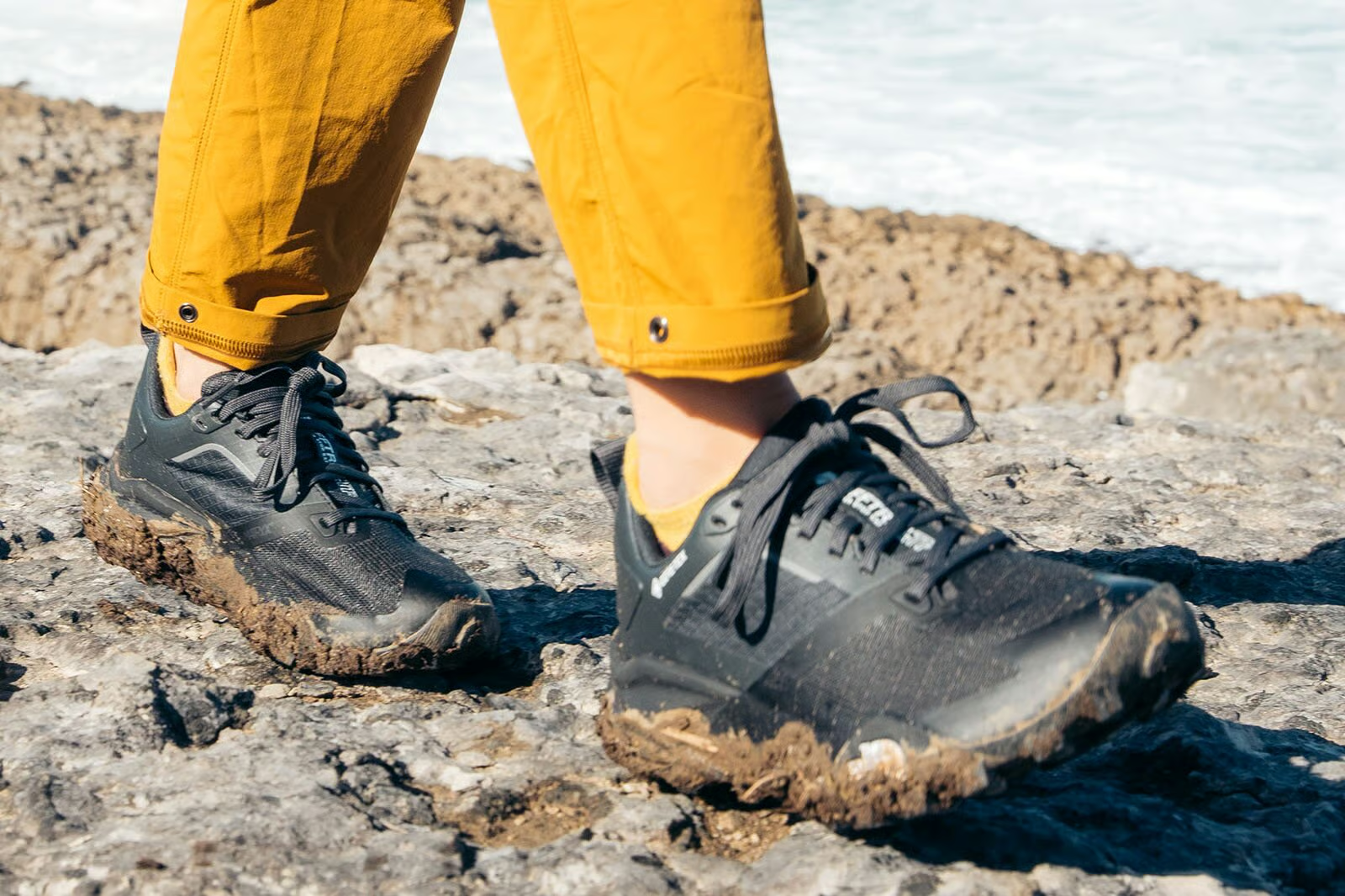
- Proper gear: A well-packed backpack means you won’t have to leave behind waste or resources. Choose lightweight and efficient gear that minimizes your environmental impact.
1.2 Travel and Camp on Durable Surfaces
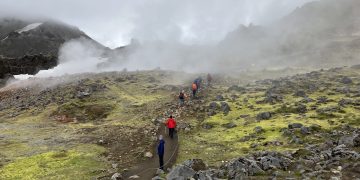
When hiking, it’s important to stay on designated paths and trails. This is because off-trail travel can cause lasting damage to ecosystems, particularly sensitive plants and wildlife habitats. In areas where vegetation is sparse or fragile, stepping off the trail can create lasting scars that might take decades to heal.
- Stick to established trails: Trails are designed to absorb foot traffic without damaging the surrounding area. Avoid creating new paths by wandering off the main route, as this can result in soil erosion and the destruction of vegetation.
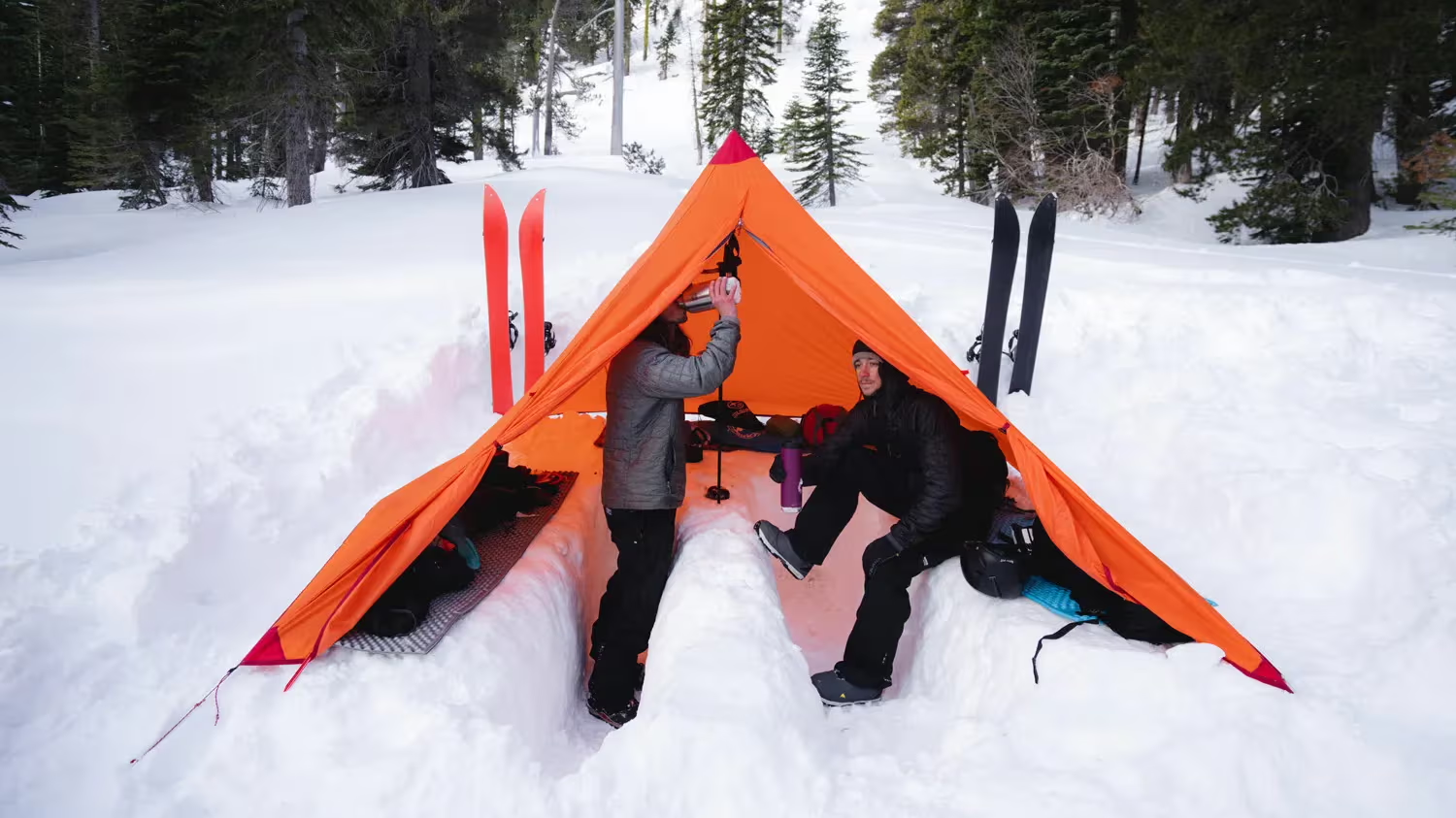
- Camp on durable surfaces: If you’re planning to camp, always set up on hard, durable surfaces like gravel, sand, or rock. Avoid camping in meadows or near water sources, as this can lead to long-term damage to the soil and disturb wildlife.
1.3 Dispose of Waste Properly
One of the most visible traces hikers leave behind is waste—whether it’s plastic wrappers, food scraps, or human waste. Unfortunately, even biodegradable materials like banana peels take a long time to decompose in the wilderness.

Here are some ways to properly dispose of waste during your hike:
- Pack it in, pack it out: Follow the simple rule of packing out everything you bring in. This includes food scraps, wrappers, and even organic matter like apple cores. It’s essential to avoid leaving anything behind, as it can disrupt local wildlife and pollute the landscape.
- Use a waste disposal system: For human waste, many hiking areas provide restroom facilities or require hikers to use a “WAG bag” or other portable waste disposal system. In the backcountry, you may need to dig a “cathole” at least 6-8 inches deep and 200 feet away from water sources.
1.4 Leave What You Find
One of the key elements of the Leave No Trace philosophy is to leave natural features as you found them. While it might be tempting to collect a beautiful rock or wildflower, removing items from the wilderness disrupts the ecosystem.
- Do not disturb wildlife: Avoid feeding animals, as it can alter their natural behavior and lead to dependency on human food. Keep your distance from wildlife and never approach or attempt to touch animals.
- Leave natural objects in place: Rocks, plants, and fallen logs all serve important roles in their ecosystems. Take photos, not souvenirs, to remember your hike.
1.5 Minimize Campfire Impact
Campfires have been an iconic part of the hiking and camping experience for centuries. However, they also cause significant damage to the environment if not managed responsibly. The intense heat of a campfire can sterilize the soil, leaving it devoid of nutrients and reducing the chance for plant life to thrive.
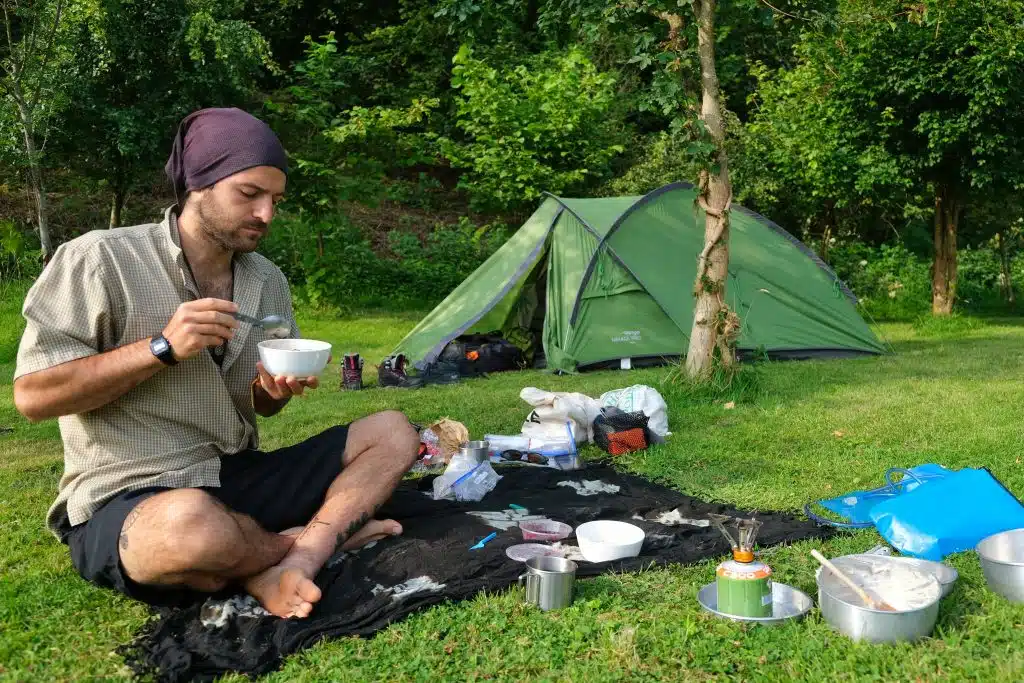
- Use a camp stove: Instead of building a fire, consider using a camp stove for cooking. It’s cleaner, more efficient, and reduces your impact on the landscape.
- Respect fire regulations: In areas where campfires are allowed, make sure to use established fire rings. Never create new fire sites or use wood from the surrounding area—use only dead and downed wood.
1.6 Respect Wildlife
Human presence in natural habitats can be a major stressor for wildlife. Whether it’s the noise we make, the scent we leave behind, or our physical disturbance of their habitat, animals are sensitive to human activities. The more we respect wildlife, the better we can preserve their habitats.
- Observe from a distance: Use binoculars or a camera with a telephoto lens to observe wildlife without intruding on their space.
- Avoid feeding animals: Feeding wildlife alters their natural behavior and can lead to health problems or conflict with humans. Pack out all food scraps and store food properly to avoid attracting animals to your campsite.
1.7 Be Considerate of Other Visitors
While enjoying the outdoors, remember that you’re not the only one who is trying to escape into nature. Every hiker has different expectations and experiences, and it’s essential to be considerate of others.
- Yield to others on the trail: When hiking on narrow trails, yield to those going uphill or to equestrian riders. Always be courteous and avoid creating unnecessary distractions or disturbances.
- Keep noise to a minimum: While chatting with friends or playing music on the trail might feel like part of the fun, excessive noise can ruin the peaceful experience for other hikers.
2. The Challenges of Hiking Without Leaving a Trace
While the Leave No Trace principles are essential for minimizing our environmental impact, the reality is that hiking without leaving any trace at all can be quite difficult. Here are some challenges to consider:
2.1 Overcrowding
In some of the most popular hiking destinations, overcrowding has become a significant issue. As more people take to the trails, the impact on the environment increases. In heavily trafficked areas, even with the best intentions, it’s challenging to fully mitigate the effects of so many visitors.
Solutions to overcrowding can include:
- Trail quotas and permits: Some national parks and wilderness areas limit the number of visitors to reduce crowding and preserve the environment. This helps to maintain the quality of the experience for everyone.
- Alternative destinations: If your chosen trail is overcrowded, consider visiting less popular hiking locations. Many hidden gems offer a more peaceful and pristine wilderness experience.
2.2 The Inescapable Presence of Humans
Even with the most meticulous planning and preparation, human presence often leaves an imprint on nature. Footsteps, campfire rings, and litter—even when packed out—can still be part of the trail experience. While it’s impossible to eliminate all signs of human activity, the key is to minimize our presence as much as possible.
2.3 Environmental Degradation
In some areas, human activity has already caused irreversible damage to the ecosystem. Invasive species, habitat loss, and pollution are just some of the challenges that many trails and parks face. While we can reduce our individual impact, broader conservation efforts are essential for restoring these environments.
3. Conclusion: A Collective Responsibility
While it may not be entirely possible to hike without leaving a trace, we can certainly reduce our impact and preserve the beauty of the natural world for future generations. By following Leave No Trace principles, we contribute to a collective effort to minimize environmental degradation, protect wildlife, and ensure that our wild spaces remain pristine and enjoyable for all.
Remember, nature doesn’t belong to just one hiker—it belongs to everyone. Our collective actions will determine whether future generations can experience the wilderness in all its unspoiled glory. So, when you head out on your next adventure, do so with care, respect, and mindfulness. By leaving the smallest of traces, we ensure that nature can continue to thrive.