







Nature is an incredible source of beauty, providing us with resources, medicinal plants, and endless biodiversity. However, as enchanting as it can be, it also holds dangers that can pose a serious threat to our health and well-being. Among these dangers are poisonous plants. While many plants are harmless and offer benefits, others contain toxins capable of causing harm or even death if ingested, touched, or inhaled. For those who venture into the wild, whether for hiking, camping, or foraging, knowing how to identify poisonous plants is essential for ensuring safety. But how can we tell the difference between plants that are safe and those that are dangerous? In this article, we’ll explore the key traits of poisonous plants, how to identify them, and why it’s important to recognize them before embarking on outdoor adventures.
1. The Importance of Identifying Poisonous Plants
Poisonous plants can be deceptively beautiful and enticing, which makes them a hidden danger in the wilderness. Misidentification of these plants can lead to severe poisoning, ranging from mild symptoms such as nausea and skin irritation to life-threatening conditions like organ failure or death. The risk increases if someone is inexperienced with plant identification, especially when encountering plants that look similar to safe edible species.
Being able to identify poisonous plants isn’t just a skill for survivalists or botanists; it’s valuable for anyone who spends time outdoors. Whether you’re a hiker, forager, photographer, or simply an admirer of nature, knowledge of dangerous plants helps you avoid potential harm. But the task of learning to identify these plants can feel daunting. The good news is, with a little patience and a focused approach, anyone can start recognizing the signs of toxicity.
2. Understanding Poisonous Plants: The Science Behind Toxicity
Poisonous plants produce toxins as a defense mechanism to protect themselves from herbivores and other threats. These toxins can affect the human body in various ways. Some poisons disrupt the nervous system, causing paralysis or hallucinations, while others can damage the digestive or respiratory systems. Some common categories of plant toxins include alkaloids, glycosides, and protease inhibitors, each affecting the body in different ways.
- Alkaloids: These are nitrogen-containing compounds that affect the nervous system. Examples include atropine (found in deadly nightshade) and nicotine (from tobacco).
- Glycosides: Found in plants like foxglove and certain species of lilies, these compounds can interfere with the heart’s rhythm and function, leading to death in extreme cases.
- Protease Inhibitors: Found in species like the castor bean plant, these can block enzymes that are crucial for digestion, leading to severe toxicity.
What makes these plants dangerous is often their ability to go unnoticed by the untrained eye. They may have appealing colors, flowers, or fruit that attract foragers, hikers, and even children, who may unknowingly consume them.
3. Key Characteristics of Poisonous Plants
Knowing what to look for can greatly improve your ability to stay safe. While there is no universal rule that all poisonous plants share, certain traits are common among them. Understanding these characteristics will allow you to make safer choices in the wild.

a. Bright, Attractive Colors
Many poisonous plants have brightly colored flowers or fruits that act as a lure to animals. While many colorful plants are harmless, bright colors such as red, yellow, and purple are often a warning sign that the plant could be toxic. For instance, the vibrant red berries of the deadly nightshade (Atropa belladonna) are highly toxic if consumed.
b. Unpleasant Odor
A foul odor is another potential indicator of toxicity. Plants like the skunk cabbage or the stinking hellebore release an odor that can deter animals from eating them. While not all plants with a bad smell are poisonous, a strong, unpleasant odor should raise suspicion.
c. Sap and Skin Irritation
Many toxic plants contain irritating sap that can cause burns or rashes upon contact with the skin. A classic example is poison ivy (Toxicodendron radicans), whose sap contains urushiol, a chemical that can cause intense skin rashes and itching. Other plants like poison oak and poison sumac have similar effects.
d. Distinctive Leaf Patterns and Shapes
While leaf shape alone isn’t a surefire indicator of toxicity, many poisonous plants have unique leaf patterns. For example, the large, heart-shaped leaves of the poison ivy plant are typically arranged in groups of three, which is a tell-tale feature. Similarly, the large leaves of the castor bean plant (Ricinus communis) are another visual cue that should not be ignored.
e. Milk-like Sap
Plants that produce milky sap, like the oleander (Nerium oleander) or the common dandelion, often indicate that the plant contains toxins. This sap can be extremely irritating to the skin or eyes, and ingestion can lead to severe illness or even death.
f. Toxic Berries or Seeds
The seeds and berries of certain plants are especially dangerous, as they often contain concentrated amounts of toxins. The seeds of the apple (Malus domestica), for example, contain cyanide, and though the quantity required to cause harm is large, it’s still important to be cautious. Similarly, the berries of the holly plant can be toxic if ingested in significant amounts.
4. Famous Poisonous Plants to Watch Out For
Let’s dive into some well-known examples of poisonous plants you may encounter in the wild. By recognizing these plants and understanding their characteristics, you can stay safe while outdoors.
a. Deadly Nightshade (Atropa Belladonna)
One of the most infamous toxic plants, deadly nightshade, also known as belladonna, contains tropane alkaloids like atropine, which can cause hallucinations, dilated pupils, dry mouth, and even death in large doses. The plant is typically found in shaded woodland areas and produces bell-shaped purple flowers and glossy black berries.
b. Poison Ivy (Toxicodendron radicans)
Poison ivy is notorious for causing allergic reactions in humans. The plant produces an oily resin called urushiol that can cause intense itching, redness, and blisters when it comes into contact with the skin. It typically grows as a vine or shrub, with leaves arranged in groups of three. The famous saying “leaves of three, let it be” can help identify poison ivy in the wild.

c. Hemlock (Conium maculatum)
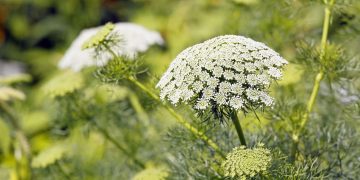
Hemlock is a highly poisonous plant that can be fatal if consumed, and was famously used to execute the philosopher Socrates. It contains coniine, a neurotoxin that affects the central nervous system. Hemlock grows as a tall, fern-like plant with feathery leaves and white umbrella-shaped flowers. Its hollow stems are often marked with purple spots.
d. Foxglove (Digitalis purpurea)
Foxglove, while beautiful, is another toxic plant to watch out for. It contains glycosides that can affect the heart. The plant has tall spikes of purple, pink, or white tubular flowers. If consumed, it can cause nausea, vomiting, and even heart failure.
e. Castor Bean Plant (Ricinus communis)
The castor bean plant is the source of ricin, one of the most deadly toxins known to man. The plant produces large, lobed leaves and spiny seed pods that contain the toxic ricin. Ingesting just a small amount of castor bean seeds can be fatal, making this plant particularly dangerous in areas where children play.
f. Oleander (Nerium oleander)
Commonly found in warm climates, oleander is an ornamental shrub known for its fragrant flowers. However, every part of the plant is toxic, especially the leaves and flowers. Oleander contains cardiac glycosides, which can cause fatal heart arrhythmias if ingested.
5. How to Stay Safe in the Wild
Knowing how to identify poisonous plants is crucial, but it’s equally important to take precautions. Here are a few tips for staying safe in the wild:
- Educate Yourself: Take the time to learn about local plants, particularly those known to be toxic. Carry a plant identification guide or use a plant identification app when hiking or foraging.
- Avoid Touching Unfamiliar Plants: If you’re not sure what a plant is, avoid touching it. Poisonous plants like poison ivy and poison oak can cause reactions even from simple skin contact.
- Do Not Eat Wild Plants Unless You Are Certain They Are Safe: It’s tempting to forage for wild edibles, but never eat a plant unless you are absolutely sure it’s safe. Many toxic plants resemble edible ones, making them easy to misidentify.
- Wear Protective Clothing: Long sleeves, gloves, and boots can protect you from coming into direct contact with toxic plants like poison ivy or poison oak.
- Be Cautious Around Children and Pets: Toxic plants can pose an even greater threat to children and animals. Always supervise young children in areas with abundant plant life, and keep pets on a leash to prevent them from eating potentially harmful plants.
6. Conclusion
Understanding how to identify poisonous plants in the wild is an essential skill for anyone who enjoys spending time outdoors. By familiarizing yourself with key traits of toxic plants—such as unusual leaf patterns, distinctive colors, and strong odors—you can greatly reduce your risk of encountering dangerous species. Whether you’re an experienced forager or a casual hiker, a little knowledge goes a long way in helping you avoid potential harm. Remember, if in doubt, always err on the side of caution and leave any unfamiliar plant undisturbed.
With the right knowledge, your time spent in nature can be both safe and enjoyable. So, next time you set out into the wild, keep these tips in mind to ensure that your adventure is one filled with discovery, not danger.