






When it comes to tactical gear, quality, function, and reliability reign supreme. Whether you’re a military professional, law enforcement officer, survivalist, or simply an enthusiast, the right gear can make all the difference in performance and safety. The world of tactical equipment is vast, but there are a few critical elements that separate the best from the average. From durability and materials to design and innovation, understanding what makes tactical gear stand out can help you make smarter decisions about what gear you invest in.
1. Durability: Built to Last
Durability is arguably the cornerstone of any high-quality tactical gear. The best tactical equipment is designed to withstand extreme conditions—whether it’s torrential rain, snowstorms, intense physical activity, or heavy wear and tear. Manufacturers often use premium materials like high-grade nylon, Cordura, and Kevlar to ensure that their products can endure harsh environments.
When you consider durability, you’re also considering the product’s resistance to abrasions, water damage, and UV degradation. Tactical backpacks, for example, need to be tough enough to hold up during long treks through rugged terrain. Similarly, a good tactical vest should resist both physical damage from friction and potential environmental hazards like mud or chemicals.
Key features of durable tactical gear include:
- Reinforced stitching
- Waterproof or water-resistant coatings
- Abrasion-resistant fabric
- UV-protective finishes
If you’re planning to use gear in hostile environments, durability must be your top concern. It can be the difference between the gear holding up under pressure or failing when you need it most.
2. Functional Design: Form Meets Function
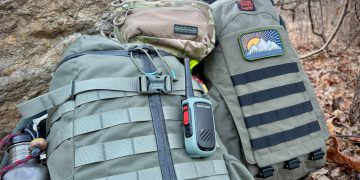
Tactical gear isn’t just about looking cool—it’s about being designed for maximum utility. The best tactical equipment will often be multifunctional, allowing users to adapt quickly to changing circumstances. For example, tactical backpacks are not just about storage; they often feature MOLLE (Modular Lightweight Load-carrying Equipment) webbing, allowing users to add more gear and customize their setup.
Likewise, tactical clothing, such as combat shirts or pants, might come with hidden pockets, integrated knee pads, or adjustable cuffs to enhance mobility while also providing essential storage options.
When it comes to functional design, here are a few critical aspects to consider:
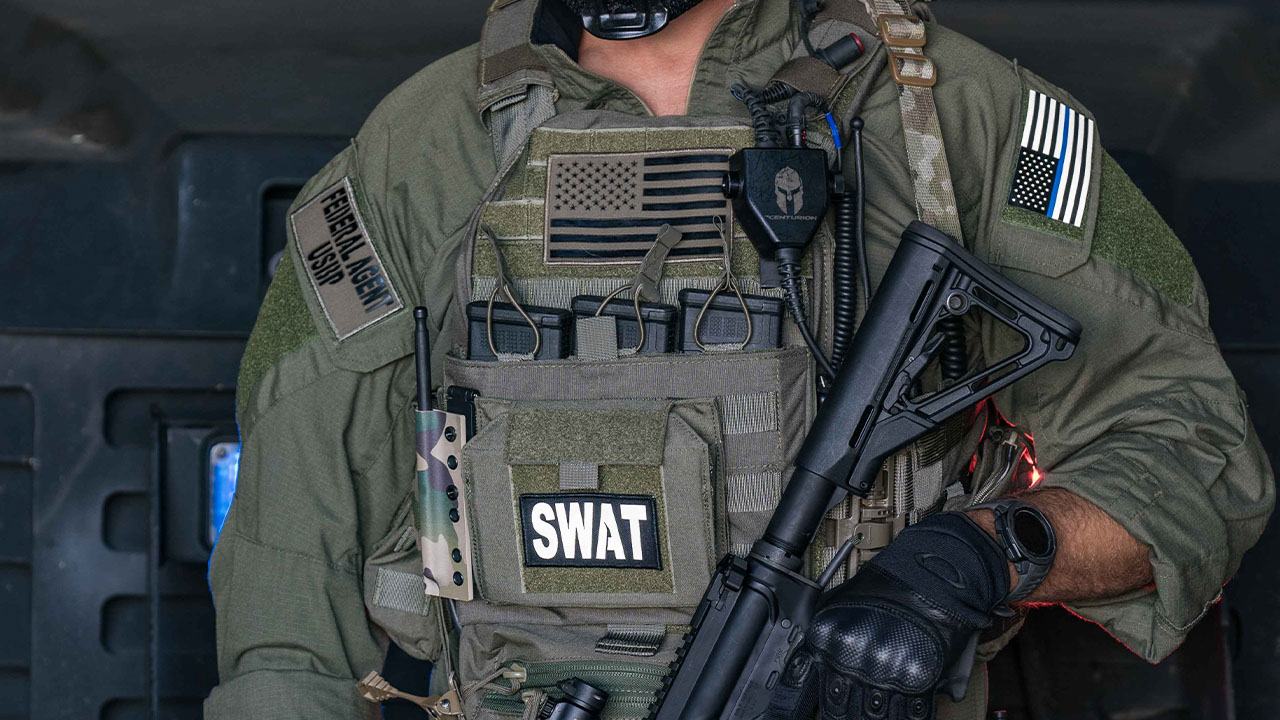
- Modular Systems: Modular designs, like MOLLE webbing or hook-and-loop systems, make it easier for the user to configure the gear to their needs.
- Ergonomics: Well-designed gear conforms to the body, ensuring comfort during long hours of use. Think of padded shoulder straps, adjustable waistbands, or a weight-distribution system for tactical vests.
- Versatility: A good tactical bag should offer multiple compartments for organization. It should be able to carry a wide range of items, from first aid kits to ammunition, without making the user feel overloaded.
In summary, functional design isn’t just about what the gear can hold or what features it has, but how easily it allows the user to access and utilize those features in high-pressure scenarios.
3. Materials: High-Performance Fabrics and Technology
Tactical gear requires materials that are not only durable but also lightweight, flexible, and often capable of offering specialized protection. From moisture-wicking base layers to tactical boots designed with high-tech outsoles, materials play an essential role in both comfort and performance.
A key example is the use of ripstop fabrics, which are woven to prevent rips and tears from spreading. This feature is particularly useful for tactical clothing, such as pants or jackets, as it provides added durability without compromising flexibility.
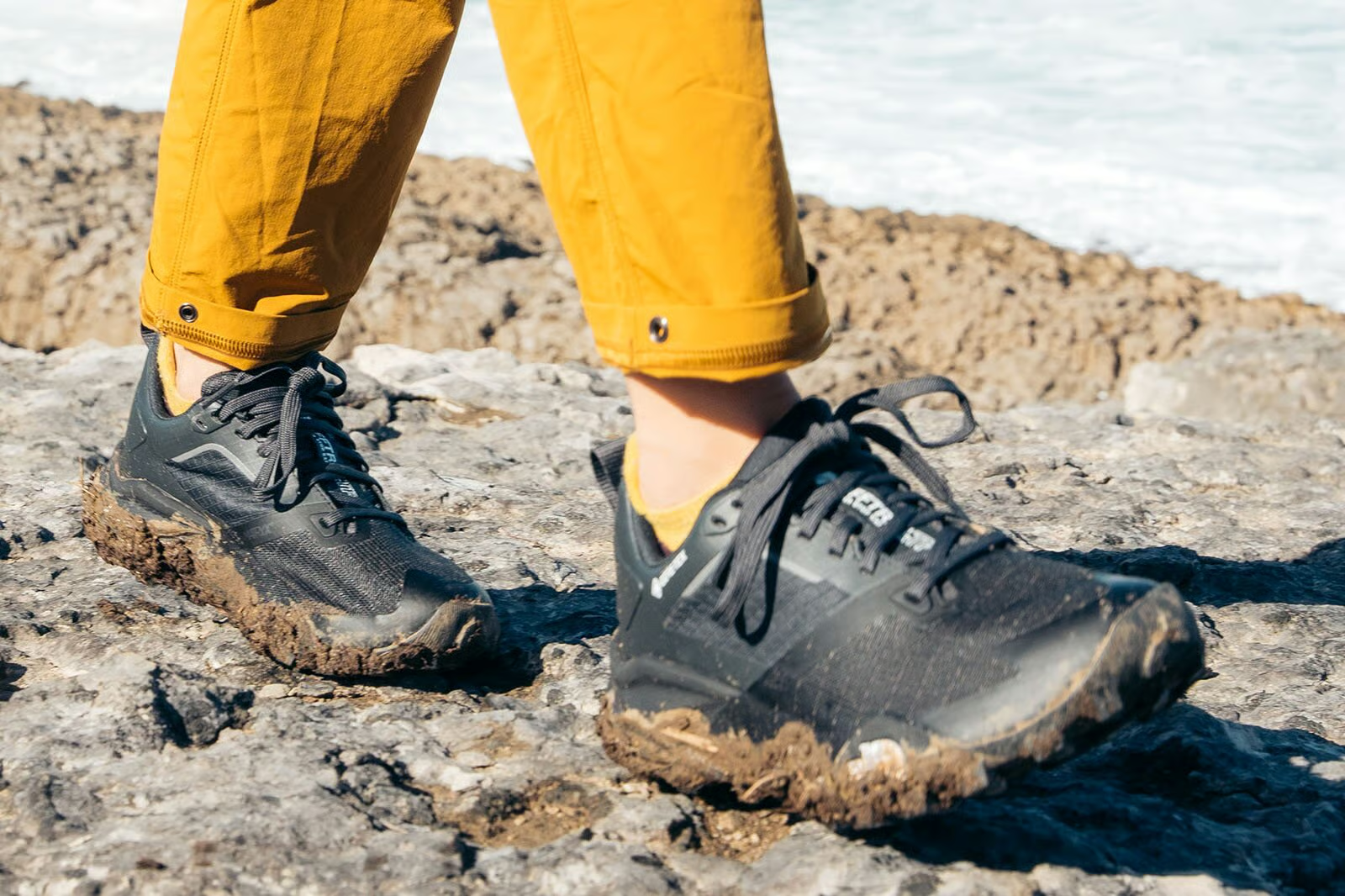
Another innovative material is Gore-Tex, a waterproof yet breathable fabric used in everything from boots to jackets, ensuring that the wearer stays dry without overheating. Advanced tactical gear often combines several specialized materials, each serving a specific function, such as impact resistance or flame retardance.
Examples of high-performance materials include:
- Cordura® Nylon: Often used in backpacks and tactical vests due to its excellent abrasion and tear resistance.
- Kevlar®: A heat- and impact-resistant material used in protective vests and gloves.
- Neoprene & Rubber: Used in boots and gloves to enhance waterproofing and grip.
These high-tech fabrics contribute not only to performance but also to the overall longevity of tactical gear.
4. Comfort: The Silent Game-Changer
While performance and durability are essential, comfort often makes the difference between gear that’s usable and gear that’s a liability. Tactical operations can extend for hours or even days, so comfort cannot be overlooked. From well-padded straps on backpacks to moisture-wicking inner layers, comfort ensures that gear doesn’t hinder the wearer’s ability to perform tasks efficiently.
A poorly fitting piece of gear can cause discomfort, fatigue, and even injury. That’s why many tactical products are designed with adjustable features, allowing for a personalized fit. For instance, tactical gloves might feature elasticized cuffs and adjustable closures, while tactical boots often include custom insoles for additional support.
Elements that enhance comfort include:
- Breathable fabrics: For keeping you cool and dry during intense activity.
- Padded straps and cushioning: To reduce fatigue from carrying heavy loads.
- Adjustable fit systems: To ensure gear fits properly and doesn’t shift out of place during action.
For any gear, comfort directly impacts performance. After all, gear that’s uncomfortable might distract you or cause discomfort over long periods, making it harder to stay focused on your mission.
5. Innovation: Forward-Thinking Features
One thing that sets top-tier tactical gear apart is its constant evolution. The best manufacturers are always looking for new ways to push the boundaries of performance, comfort, and safety. This could mean the integration of cutting-edge technology, such as smart fabrics that regulate temperature, or new fastening systems that make access to essential tools faster and more efficient.

One example of innovation is the introduction of solar-powered tactical gear, such as backpacks with integrated solar panels that can charge communication devices during long field operations. Another example is the development of haptic feedback systems in tactical vests or jackets, which can alert the wearer to nearby threats or changes in the environment.
These innovations aim to make tactical gear not just functional but also adaptable to modern needs.
6. Weight: Balancing Performance and Mobility
Lightweight gear is essential, especially for military personnel or outdoor enthusiasts who need to move quickly. However, gear that’s too lightweight can sacrifice durability or functionality, while gear that’s too heavy can lead to fatigue and decreased mobility. The best tactical gear strikes a balance, ensuring that it’s easy to carry without compromising the user’s performance.
For instance, tactical boots designed for long treks will be lightweight yet durable, often using a combination of synthetic materials to reduce weight without compromising support. Similarly, tactical backpacks might feature an internal frame that distributes weight more efficiently, reducing strain on the back and shoulders.
Key considerations when evaluating weight include:
- Lightweight construction materials: Without sacrificing durability.
- Strategic design for weight distribution: Such as adjustable waistbands or shoulder straps on backpacks and vests.
- Packability and compactness: Especially for gear that needs to be stored or carried over long distances.
The best tactical gear allows you to carry what you need without making you feel like you’re weighed down, ensuring you can remain nimble and quick.
7. Customizability: Personalization for Specific Needs
Not all tactical situations are the same, so the best gear offers customization options to suit different needs. Whether it’s adding pouches to a backpack, attaching a hydration bladder, or modifying a vest for specific loadouts, the ability to adapt and personalize your gear ensures you are always ready for what lies ahead.
For instance, MOLLE-compatible backpacks allow users to attach various pouches for different tasks, such as medical supplies, ammunition, or tools. Tactical vests can be customized with extra pouches or plates for increased protection. Even clothing can feature removable insulation layers or ventilation openings, giving you the flexibility to adapt to changing conditions.
Customizability not only increases the gear’s versatility but also ensures you’re prepared for any situation.
Conclusion: The Best Tactical Gear for Every Mission
The best tactical gear is a blend of durability, functionality, comfort, and innovation, all crafted to serve the unique demands of those who rely on it. Whether you’re scaling mountains, patrolling dangerous streets, or preparing for an emergency, the gear you choose will be a vital tool in ensuring your success and safety.
In summary, to stand out from the crowd, top-tier tactical gear must:
- Offer unbeatable durability to withstand harsh environments.
- Be designed for maximum functionality and versatility.
- Incorporate advanced materials for lightweight durability.
- Ensure comfort during prolonged use.
- Feature innovative solutions that meet modern demands.
- Find the perfect balance of weight to maintain mobility.
- Provide customization options to meet specific mission requirements.
By focusing on these elements, you can ensure that your gear not only meets the demands of your mission but also enhances your performance, safety, and confidence.