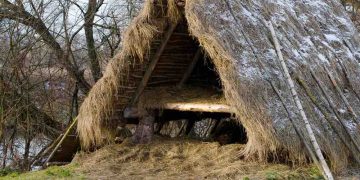








Building shelter is one of the most fundamental needs for survival, whether you’re stranded in the wilderness or looking to live a more sustainable lifestyle. But can you really construct a durable, comfortable shelter from natural materials alone? The answer, while complex, is yes—provided you understand the basic principles, select the right materials, and employ the right techniques.
In this article, we’ll explore how you can build a shelter using only materials available in nature. We’ll look at everything from the types of materials that can be used to the construction methods, advantages, challenges, and best practices for creating a shelter that’s not only functional but sustainable.
The Basics of Shelter
Before delving into the materials and techniques, it’s important to understand the basic requirements of a shelter. Regardless of whether you’re building a shelter in the forest, desert, or arctic environment, all shelters need to provide the following:
- Protection from the Elements: This includes protection from wind, rain, cold, and excessive heat.
- Insulation: A shelter must help regulate temperature, keeping you warm in cold climates and cool in hot environments.
- Safety and Security: The shelter must be structurally sound and safe from predators, insects, and environmental hazards.
- Ventilation: A shelter needs airflow to prevent suffocation or condensation build-up.
- Durability: The materials used must be strong enough to withstand the elements over time.
Selecting Materials for Natural Shelters
Natural shelters can be made from a variety of materials found in the wild. The right materials will depend on the climate and environment, but here’s a breakdown of some common options:
1. Wood
Wood is one of the most versatile materials for shelter building. It can be used for structural framing, flooring, roofing, and even insulation. Different types of wood offer varying levels of flexibility, strength, and durability. For example, softwoods like pine and spruce are easy to work with, while hardwoods like oak and ash are denser and more durable.
- Use: Framework, walls, floors, beams
- Where to Find: Forests, woodlands, certain coastal areas
2. Branches and Twigs
Smaller branches and twigs can be used for weaving walls, creating a frame, or making temporary lean-tos. While not as sturdy as larger timber, they’re still useful for constructing basic shelters like a debris hut or a lean-to.
- Use: Weaving walls, roofing, structural support
- Where to Find: Woodlands, forests, brushy areas

3. Leaves, Grass, and Ferns
These materials can serve as insulation, roofing, or bedding. Densely packed leaves and grasses provide excellent thermal insulation, keeping the shelter warm in colder weather. In hotter climates, they can offer shade and cooling through evaporation.
- Use: Insulation, bedding, roofing
- Where to Find: Woodlands, grasslands, and meadows
4. Bark
Bark can be stripped from trees and used for roofing, siding, and even making mats or containers. Certain types of bark, like cedar and birch, are especially durable and weather-resistant.
- Use: Roofing, siding, containers
- Where to Find: Certain trees, such as birch, cedar, or pine
5. Stone
Stone is an excellent material for building walls or a foundation, especially in areas where wood is scarce. It offers incredible durability and protection from the elements. Stone shelters like igloos or stone huts have been used for centuries.
- Use: Foundations, walls, chimneys
- Where to Find: Rocky areas, riverbeds, cliffs
6. Mud and Clay
Mud, clay, and adobe have been used in construction for thousands of years. These materials are particularly effective for making walls and insulation. When combined with straw or grasses, mud can be shaped into bricks or used for earthen plaster to coat wooden structures.
- Use: Walls, floors, insulation
- Where to Find: Riverbanks, wetlands, clay deposits
Common Types of Natural Shelters
1. Lean-to Shelter
A lean-to is a simple structure where branches or logs are leaned against a support (like a tree or a vertical pole), and the roof is covered with grass, leaves, or other debris. It’s quick to build and effective for short-term shelter.
Materials Needed:
- Long branches or poles
- Smaller twigs or branches for framing
- Grass, leaves, or bark for roofing
Advantages:
- Quick and easy to build
- Lightweight and portable
- Good for protection from wind and rain
Disadvantages:
- May not be very sturdy for long-term use
- Provides limited insulation
2. Debris Hut
This shelter is built by piling leaves, grass, or other natural debris over a frame of sticks. The result is a highly insulated, warm structure that can withstand cold weather.
Materials Needed:
- Long sticks or branches for the frame
- Leaves, grass, and moss for insulation
- Smaller twigs for support
Advantages:
- Great insulation, especially for cold climates
- Easy to build with minimal materials
- Provides shelter from wind and rain
Disadvantages:
- Labor-intensive to gather enough debris
- Less durable than other shelter types
3. Wickiup (or Sapling Hut)
A wickiup is a more permanent shelter made from a frame of flexible saplings or small trees, bent into a circular or dome shape. The frame is covered with leaves, bark, and grasses.
Materials Needed:
- Flexible saplings or small trees
- Bark, grasses, leaves, or animal hides for covering
- Stones or logs for foundation
Advantages:
- Strong and can withstand harsher weather conditions
- Provides better protection than a lean-to or debris hut
- Can be used year-round in many climates
Disadvantages:
- More time-consuming to build
- Requires more materials than a lean-to

4. Earth Shelters
Earth shelters, including sod houses or dugout homes, involve either digging into the earth or using earth-based materials (like sod or clay) to build a structure. These are among the oldest forms of natural shelter and offer exceptional insulation.
Materials Needed:
- Sod, clay, and mud for walls
- Wooden beams or logs for framework
- Rocks for foundation
Advantages:
- Excellent insulation against temperature extremes
- Naturally camouflage, offering protection from the elements and predators
- Low impact on the environment
Disadvantages:
- Labor-intensive to dig and build
- Requires a lot of planning to ensure proper drainage
Building Techniques for Natural Shelters
1. The A-Frame Construction
This technique involves using two sloped sides to form a triangular frame, creating an A-shaped structure. This design sheds water and snow easily and can be constructed with materials like wood, branches, or even reeds.
2. The Dome Structure
A dome structure, such as a yurt or a hut made from woven materials, is strong, stable, and great for withstanding wind and snow. The key to a dome structure is its curvature, which allows it to distribute pressure evenly.
3. Stacking and Weaving
For walls, stacking or weaving materials like logs, stones, or branches creates a stable and effective barrier against the elements. This technique is commonly used in building long-lasting shelters, such as earth homes or stone huts.
Challenges of Building Natural Shelters
While constructing a shelter from natural materials is entirely possible, there are challenges you will face:
- Time and Effort: Gathering enough materials and constructing a shelter from scratch can take hours, days, or even weeks depending on the complexity and environment.
- Weather Conditions: Depending on the climate, certain materials may not be available, or the shelter itself may need additional maintenance.
- Insect and Animal Issues: A natural shelter can be susceptible to pests, insects, and even animals that might be attracted to the shelter or its contents.
- Skill and Knowledge: Building an effective natural shelter requires knowledge of the environment and the materials available. Without experience, it may be difficult to build a shelter that is both secure and comfortable.
Sustainability Considerations
Building shelters from natural materials has clear advantages in terms of sustainability. By utilizing local resources, these structures leave minimal environmental footprints. However, it’s important to avoid overharvesting materials or causing lasting damage to the environment. Sustainable shelter building requires an understanding of ecological principles, including:
- Harvesting Materials Responsibly: Use only what you need and ensure the source is renewable (e.g., cutting down only fallen or dead trees).
- Leave No Trace: After using the shelter, try to leave the area as undisturbed as possible. If you build in a temporary location, dismantle the shelter once you’re done.
- Repairing and Reusing Materials: If possible, reuse materials and keep the shelter in good repair so it lasts longer.
Conclusion
Building shelter from natural materials is not only possible but also a rewarding and sustainable practice. Whether you’re building a simple lean-to or a more permanent earth shelter, the principles of natural shelter construction offer both practicality and a deeper connection to the environment. While challenges exist, with the right knowledge, tools, and patience, you can create a shelter that provides safety, comfort, and protection from the elements.