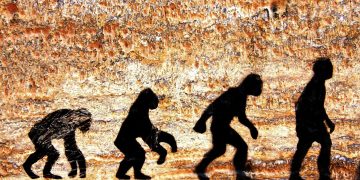








The human story is one of unrelenting change. From primitive Homo habilis, who first crafted rudimentary tools, to the sophisticated societies of the modern world, evolution has shaped every aspect of our being. Yet, as we stand at the precipice of the future, a question arises: Is the horizon of human evolution already set in motion?
In this exploration, we will venture through the various threads of scientific understanding, from genetic evolution to the impact of technology and culture. As we weave through the forces driving change, we will seek to understand if human evolution is something still actively occurring or if it has been irrevocably steered into predetermined paths by external forces. Along the way, we will also explore the philosophical and ethical implications of where we might be heading.
Evolution: A Brief Recap
Before diving into contemporary concerns, let’s quickly revisit the basic principles of biological evolution. Evolution is the gradual change of species over time through variations in traits, which are then passed down through generations. This occurs via natural selection, where organisms better adapted to their environment are more likely to survive and reproduce, passing on advantageous traits.
Darwinian evolution, proposed by Charles Darwin, posits that life evolves through a process of descent with modification, where the diversity of life on Earth results from random mutations, genetic variation, and the natural selection of traits. This framework has been incredibly influential in shaping modern biology and is still the foundation of our understanding of how species evolve.
Genetic Evolution in the Modern World: A Slower Process?
For millennia, natural selection shaped humanity. Our early ancestors survived through their ability to adapt to changing environments, to use tools, to hunt and gather food, and later to cultivate crops and build civilizations. But has genetic evolution slowed down for humans in the modern era?
There’s a hypothesis that, in modern societies, human evolution has been accelerating. Medical advancements, better nutrition, and improved hygiene have reduced the impact of natural selection. Many individuals who, in the past, would not have survived to reproduce due to diseases or birth defects, now live and pass on their genes. Some argue that this has, in essence, reduced the pressure of natural selection on the human genome.
Additionally, cultural evolution—the way humans learn, adapt, and pass on knowledge through language and societal structures—has arguably had a greater influence on human development than genetic evolution in recent centuries. Instead of evolution acting solely through the biological lens, cultural and technological innovations may now guide the trajectory of human progress.
But Is This the End of Biological Evolution?
Despite the rapid advancements in medicine and technology, the fact remains that humans still experience genetic mutations, and some of these mutations provide advantages. Even in modern environments, natural selection is at work—just in more subtle ways. For example, people with genetic mutations that make them resistant to diseases like malaria or HIV have an evolutionary advantage. Human evolution is not static, but the pace has certainly changed.
Technological Evolution: Accelerating Human Change
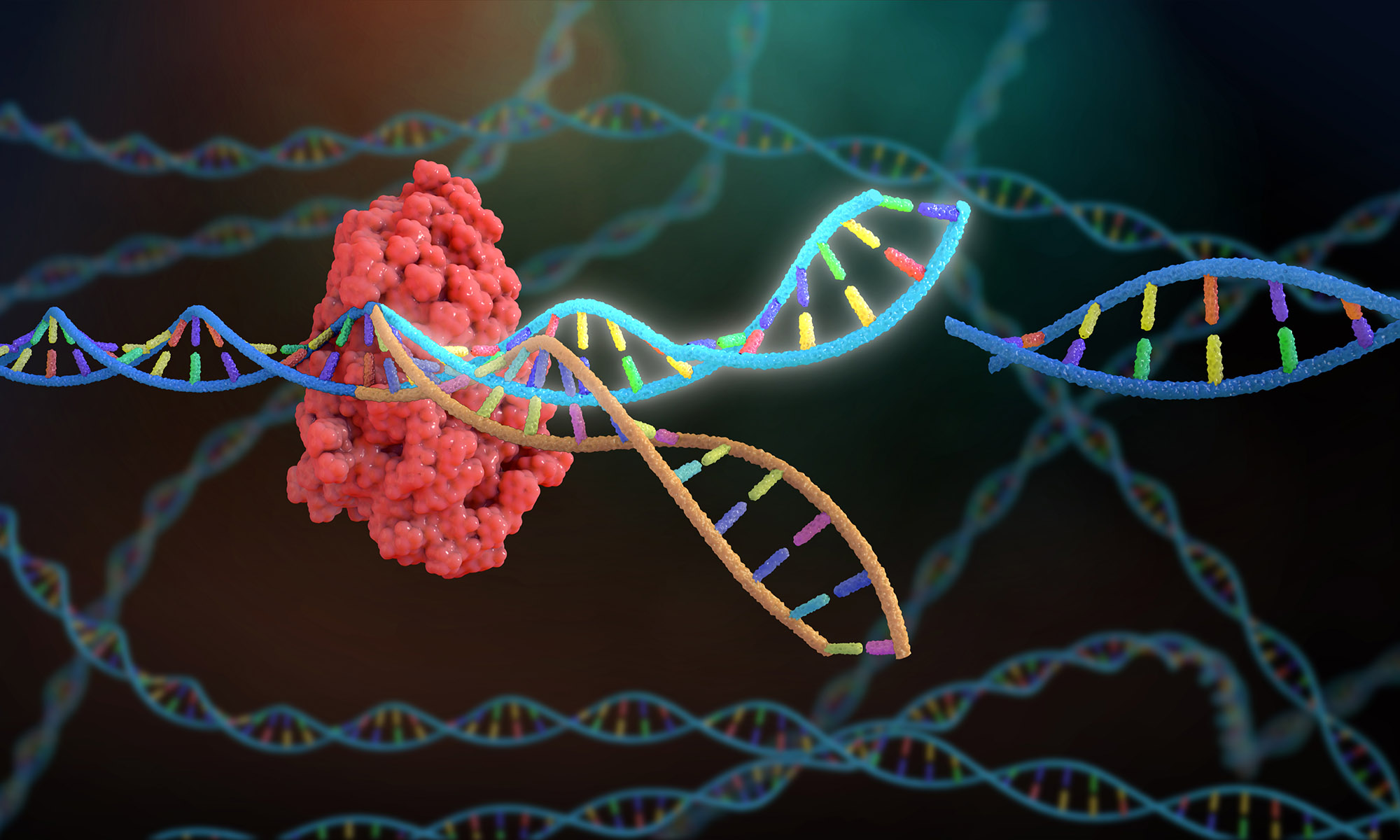
Technological advancements—particularly in fields like biotechnology, artificial intelligence, and robotics—are fundamentally altering the way humans interact with the world. Some scientists and futurists argue that these technologies are becoming a driving force in human evolution. CRISPR, a revolutionary gene-editing technology, is one example of how humans might directly shape their genetic future.
With gene-editing tools, scientists are now able to target and modify specific genes, effectively “designing” embryos with desirable traits. While still in its infancy, this technology holds the potential to eradicate genetic diseases, enhance human intelligence, or even extend lifespan. Some speculate that, within the next few decades, human evolution will be driven more by technology than by traditional biological forces. A new era of “directed evolution” could be upon us, where humans actively choose the direction of their genetic development rather than waiting for random mutations and natural selection.
Yet, such advances are not without ethical and philosophical dilemmas. If humans begin to take control of their own evolution, will we lose the randomness and beauty of natural diversity? Will we be able to predict the long-term consequences of manipulating genes? And, more importantly, what happens to human identity when we can tailor our genetics?
The Role of Artificial Intelligence: A New Frontier in Evolution
AI, machine learning, and neural networks represent another paradigm shift in our evolutionary story. The concept of cyborgs, or humans merging with machines, may not be as distant as we once thought. From brain-computer interfaces to the development of smart prosthetics, the line between biology and technology is blurring.
Imagine a future where humans could enhance their cognitive abilities by integrating AI into their brains or replace damaged limbs with robotic arms that are indistinguishable from human flesh. Already, researchers are developing brain implants that could boost memory and cognitive function. In the long term, this could lead to the rise of “post-human” entities—beings who transcend traditional biological limitations, merging human intelligence with machine capabilities.
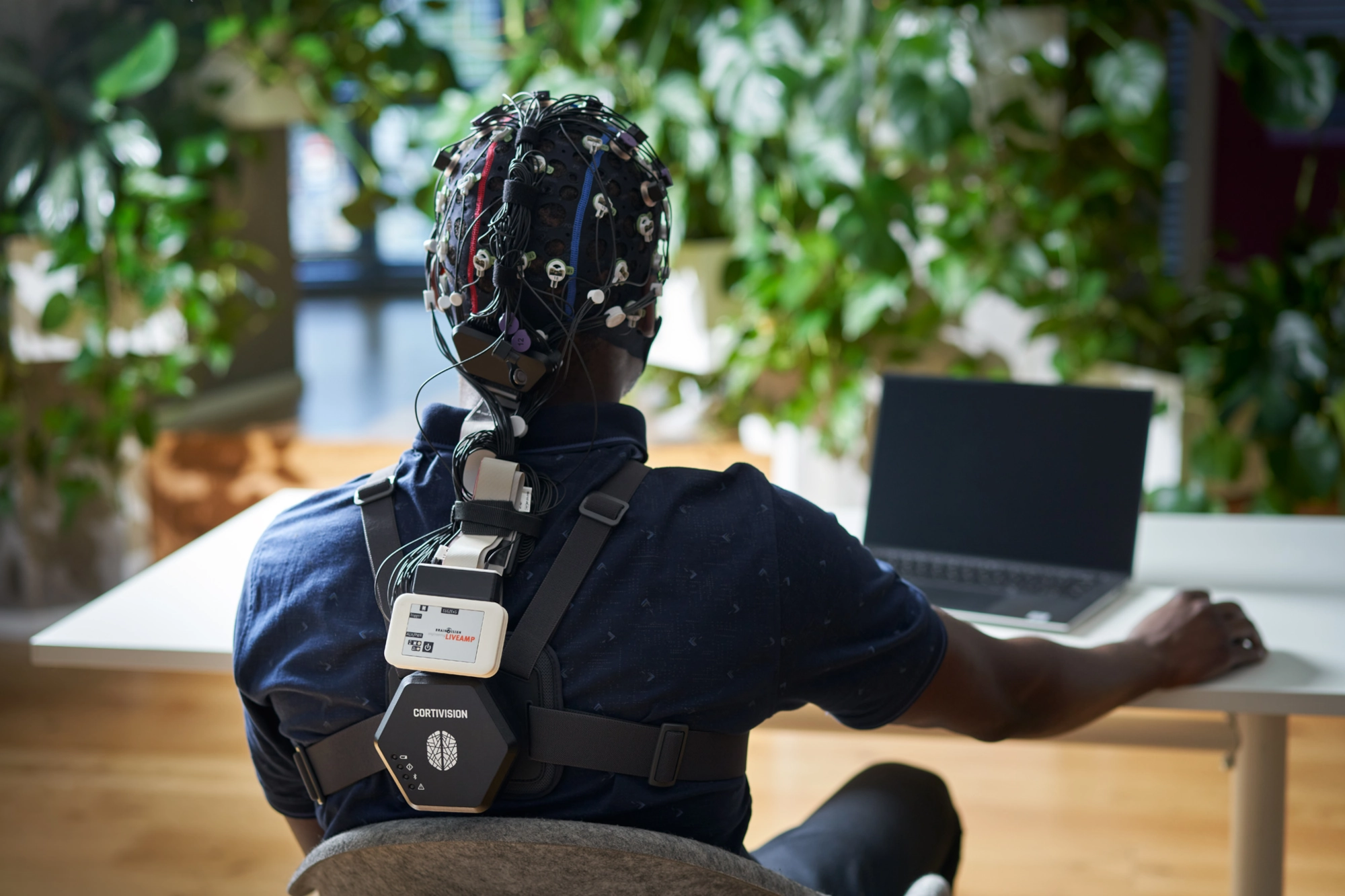
But is this the next step in human evolution? Some argue that merging with machines might be humanity’s ultimate evolutionary leap, while others worry it may lead to a loss of what it means to be human. What role will human consciousness play in this evolution, and can we ensure that technological progress remains beneficial for all of society?
Cultural Evolution: Shaping Humanity’s Future
Even in the absence of technological advancements, cultural evolution has shaped human progress for millennia. The development of language, the creation of art and literature, and the evolution of social structures and religions have been pivotal in shaping human societies.
As humanity advances, culture continues to drive change in how we think, behave, and relate to the world around us. Globalization and digital connectivity are creating a more interconnected world, leading to the fusion of cultures and ideas in ways never seen before. These cultural shifts are not only redefining identity but are also affecting the way we approach key issues like social justice, environmentalism, and global cooperation.
In this context, cultural evolution may be one of the most significant forces at play in shaping the future of humanity. In the future, humanity might evolve in ways not dictated by biology but by shared values, ideas, and technologies. Just as humans once evolved from tribes to complex societies, so too might we continue to evolve into something fundamentally different—perhaps even a collective intelligence.
The Ethics and Philosophical Questions of Our Evolutionary Future
As we move forward into an era where we may actively shape our own evolution, the ethical implications are profound. Designer babies, genetic modification, and the integration of AI into human life all raise complex moral questions. What limits should be placed on genetic experimentation? Should there be regulations on how much we can alter the human genome?
Moreover, these questions extend beyond technology. If humanity evolves through cultural and societal shifts, who decides the direction? Will future generations look back on our era and see us as the architects of their evolution—or as the misguided architects of our own downfall?
As we approach this uncertain horizon, one thing is clear: human evolution is no longer a slow, passive process driven by random mutations. We are on the cusp of a future where human evolution may be guided by choice, both biological and technological. However, as we become the stewards of our evolutionary future, the need for caution, responsibility, and ethical reflection will be more important than ever.
Conclusion: A New Era of Human Evolution
The horizon of human evolution may very well be already set in motion—but the forces guiding that motion are changing. From the steady, though slower, forces of natural selection to the lightning-fast advancements in genetic editing, artificial intelligence, and cultural integration, we find ourselves at the dawn of a new era. This era will not be driven purely by biology but will be shaped by the intersection of technology, culture, and ethics.
We stand at a crossroads, not just as individuals, but as a species. Will we allow our future to unfold through the unpredictable whims of genetic mutations, or will we actively choose our destiny? The future of human evolution is not predetermined—we are the architects of our own future, and how we shape that future will determine the next chapter of humanity’s long and storied evolution.