






Finding safe drinking water in the wilderness can be one of the most challenging survival tasks. Water is essential for survival, and without it, even the most prepared adventurer can quickly find themselves in a life-threatening situation. In the wild, water sources can be contaminated with bacteria, parasites, and pollutants, making it essential to know how to properly find, filter, and purify water to ensure it’s safe for consumption. In this article, we’ll explore the best ways to create a safe water source in the wild, combining survival wisdom with modern techniques, ensuring that you can stay hydrated and healthy during your outdoor adventures.
1. Understanding the Importance of Water
Before diving into specific techniques, it’s important to understand why water is crucial. The human body is made up of about 60% water, and staying hydrated is key for maintaining body temperature, digesting food, and performing physical tasks. In survival situations, you can survive without food for weeks, but only a few days without water. Therefore, having a reliable source of water is one of your top priorities.
2. Identifying Potential Water Sources
The first step in creating a safe water source is to locate a source of water. In the wild, water is usually found in streams, rivers, lakes, ponds, or even in natural features like caves and rock crevices. Here are some places you might find water in the wilderness:
- Streams and Rivers: Moving water is often safer than stagnant water because it is less likely to harbor harmful bacteria and parasites. However, it’s still important to filter and purify it, as it can still be contaminated by animals upstream or pollutants.
- Lakes and Ponds: These are common water sources, but they tend to be more contaminated with bacteria, algae, and other pathogens due to their stagnant nature. Always purify the water from these sources before drinking.
- Rainwater: Collecting rainwater is one of the safest and cleanest ways to source water in the wild. However, rainwater collection requires appropriate equipment like tarps or containers and is dependent on weather conditions.
- Plants: Some plants, such as cacti, contain water that can be extracted. However, plant-based water may not always be the safest, as it can contain toxins, and the extraction process may not yield enough water for survival.
- Snow and Ice: If you are in colder climates, snow and ice can be melted to provide water. However, always melt it and never eat snow directly, as this can lower your body temperature and put you at risk for hypothermia.

3. Preparing Water for Drinking: Why Filtration Matters
Once you have found a source of water, the next crucial step is to make it safe to drink. Even clear water can contain harmful pathogens like bacteria (e.g., E. coli), viruses (e.g., Norovirus), and protozoa (e.g., Giardia). If not properly treated, these can lead to severe illness or dehydration.
3.1 Filtration Techniques
Filtration removes larger particles, such as dirt, debris, and sediments. It’s an important first step in purifying water, but it does not remove bacteria, viruses, or chemical contaminants. Here are some effective ways to filter water in the wild:
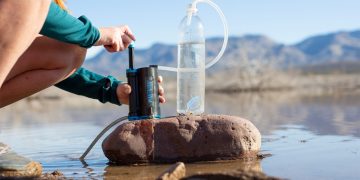
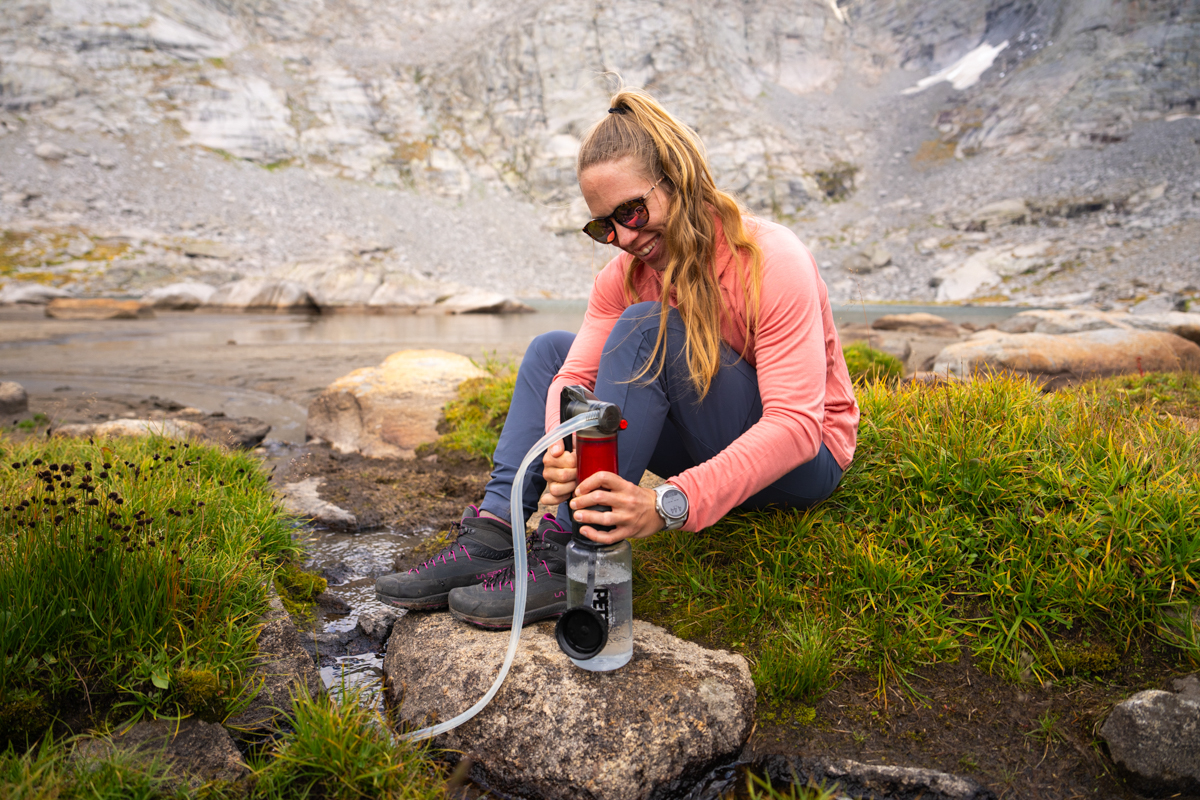
- Portable Water Filters: These are compact, easy-to-carry devices that can quickly filter out harmful particles. The most popular types are gravity filters, pump filters, and squeeze filters. The effectiveness of the filter is usually measured by the micron rating, which tells you the size of particles the filter can remove. A filter with a rating of 0.2 microns or smaller will typically remove most harmful pathogens.
- DIY Filters: If you don’t have access to a commercial filter, you can create a basic water filter using natural materials. For instance, you can layer gravel, sand, charcoal, and cloth in a container, allowing water to pass through the layers and be filtered. While this method won’t eliminate bacteria or viruses, it can help remove larger particles and make water more palatable.
- Coffee Filters: If you’re in a pinch, a coffee filter or a clean piece of cloth can be used to remove larger debris and particles. This method is not a substitute for proper water purification but can be useful to improve water clarity.
3.2 Boiling Water
Boiling is one of the most effective ways to purify water, as it kills bacteria, viruses, and parasites. The general rule is to bring water to a rolling boil for at least 1 minute (3 minutes if you’re at high altitudes). Boiling is particularly effective for treating water from streams, lakes, and ponds, where bacteria and other pathogens are most likely to be present.
To boil water in the wild, you’ll need a container such as a metal pot, can, or even a large, clean rock. Use your fire-building skills to heat the water until it reaches a boil, then let it cool before drinking. While boiling water is effective, it does require fuel and equipment, so it’s not always the most convenient method, especially for long-term water collection.
3.3 Chemical Treatments
Chemical treatments are an easy and lightweight way to purify water, but they can take time to work. There are two main chemical treatments:
- Iodine Tablets: Iodine can kill most pathogens in water, including bacteria and viruses. However, iodine may not be effective against all protozoa, such as Giardia. You’ll typically need to wait 30 minutes to 1 hour for iodine to work, depending on the water temperature.
- Chlorine Tablets: Chlorine is another common water disinfectant. Similar to iodine, chlorine tablets are easy to use, but they may not be as effective against certain parasites. Wait about 30 minutes for the water to become safe.
While chemical treatments are lightweight and easy to use, they are not always the best option for long-term survival. They can alter the taste of the water, and prolonged use of iodine is not recommended due to potential health risks.
3.4 UV Light Purifiers
Ultraviolet (UV) light purifiers are becoming increasingly popular for outdoor adventurers. These small, battery-powered devices use UV light to destroy the DNA of bacteria, viruses, and protozoa. UV purifiers are lightweight and fast, typically requiring only 90 seconds to purify a liter of water. However, they require batteries, and the water must be clear for the UV light to penetrate effectively.
4. Using Solar Desalination for Saltwater
If you find yourself near the ocean, saltwater is a common temptation for those who are thirsty. However, drinking saltwater is dangerous and can lead to dehydration. The process of desalination—removing the salt from seawater—can make it safe for drinking. One simple and efficient method for desalination is solar distillation.
To build a solar still, you’ll need a clear plastic sheet or tarp. Dig a hole in the ground and place a clean container in the center. Surround the container with seawater, and then cover the hole with the plastic sheet, ensuring the edges are sealed tightly. Place a small rock in the center of the plastic, directly above the container, to create a low point. As the sun heats the seawater, it will evaporate, condense on the underside of the plastic, and drip into the container as fresh water.
This method takes time and doesn’t produce large quantities of water, but it can be a lifesaver in a saltwater survival situation.
5. Water from the Environment: Plants and Dew
If you’re in a survival situation and water is scarce, you may need to extract water from plants or dew.
- Cacti: Certain types of cacti, especially the saguaro and prickly pear, contain water that can be accessed by cutting into the plant and allowing the liquid to flow out. Be sure to avoid cacti with toxins or those that have been contaminated with bacteria.
- Morning Dew: In the early morning, dew collects on grass, leaves, and other vegetation. By wiping or squeezing the dew from plants, you can gather a small amount of water. While this water source isn’t enough for long-term survival, it can supplement your water supply in a pinch.
6. The Best Water Treatment Methods for Long-Term Survival
In a survival situation, having a reliable, long-term solution for water is crucial. Here are some advanced methods for maintaining a safe water source over an extended period:
- Solar Still: As mentioned earlier, a solar still can be used to distill water from the environment, particularly from salty sources. This method, though slow, produces fresh water over time and requires minimal resources.
- Rainwater Collection System: If you are in an area where rain is frequent, setting up a system to catch rainwater can provide a steady and clean supply. This can be done with tarps, containers, and funnels, but it requires planning and resources.
- Rainwater Harvesting with Filtration: For longer-term survival, you can also create a system to harvest rainwater, filter it with a proper system, and store it in containers to ensure a constant supply. Using a series of filters, including sand, charcoal, and cloth, will ensure the water remains clean.
Conclusion
Creating a safe water source in the wild is an essential survival skill. Whether you’re hiking, camping, or lost in the wilderness, understanding how to identify water sources, filter, purify, and store water can make the difference between life and death. Combining basic knowledge with modern purification methods such as filtration, boiling, UV light, or chemical treatments can ensure that you’ll always have access to safe drinking water.
When preparing for wilderness survival, always carry a reliable water purification system and be prepared to adapt to the environment you’re in. Remember that water is life, and knowing how to source and treat it is your most important tool for survival.