






Introduction: The Quest for Ultralight Gear
In the world of outdoor adventure, the pursuit of ultralight gear is more than just a trend—it’s a philosophy. Whether you’re embarking on a multi-day hiking trip, a through-hike of the Appalachian Trail, or a backcountry skiing expedition, the choice of gear can make or break your experience. But how essential is it really to go ultralight, and what does it mean to embrace this minimalist approach to outdoor gear?
Ultralight gear is not simply lighter—it’s strategically designed to reduce weight without sacrificing performance. For the modern adventurer, who often carries a pack that can weigh upwards of 30-40 pounds, every ounce saved is a victory. But it’s not just about cutting weight—ultralight gear is about efficiency, comfort, and sometimes, even safety.
In this article, we’ll dive into the importance of ultralight gear, why it’s becoming increasingly popular, and when it’s necessary to adopt this minimalist philosophy for your adventures.
The Ultralight Revolution: A Brief History
The ultralight movement didn’t emerge overnight. It began as a niche pursuit, driven by dedicated adventurers and gear innovators who recognized that lighter gear made for more enjoyable and successful trips. The roots of ultralight hiking trace back to the 1970s when the early pioneers, inspired by minimalist principles, began to experiment with lightweight materials and designs.
Before the ultralight boom, outdoor gear was heavy and often bulky. Conventional backpacks weighed a lot, tents could be unwieldy, and sleeping bags were thick, contributing substantial weight to a hiker’s load. As time progressed and technology advanced, lighter materials such as nylon, cuben fiber (now known as Dyneema), and titanium were introduced, revolutionizing the way hikers thought about weight and gear.
In the late 1990s and early 2000s, ultralight gear became more mainstream, with companies like Hyperlite Mountain Gear, Zpacks, and Gossamer Gear leading the way. Today, ultralight gear is accessible to almost anyone, with a range of products that cater to all levels of outdoor adventurers.
Why Ultralight Gear Matters
1. Increased Mobility and Endurance
Carrying a lighter pack means less strain on your body. This translates directly into increased speed and stamina on the trail. Whether you’re climbing steep slopes or traversing flat terrain, having less weight on your back means you can move more freely and efficiently. This increase in mobility allows you to travel longer distances with less fatigue, which is crucial for long-haul adventures, like thru-hikes.
When you’re not bogged down by unnecessary weight, your body uses less energy, which can extend your time on the trail and increase your overall endurance. On multi-day treks, the weight saved in your pack can make a significant difference in how you feel after a long day of hiking.
2. Enhanced Comfort
The less weight you carry, the more comfortable you’ll feel. Ultralight gear doesn’t just reduce the load—it’s designed for comfort. Lightweight materials are often softer and more ergonomic, ensuring that your gear doesn’t dig into your body or cause unnecessary strain. The key is to find a balance between weight reduction and comfort, ensuring that you aren’t sacrificing essential features for the sake of saving a few ounces.

3. Better Safety
On some adventures, ultralight gear choices are more than just about comfort and performance—they can be about safety. Consider a situation where you have to traverse a challenging pass or make an emergency exit. The lighter your pack, the quicker you can move and the more energy you’ll have. In hazardous conditions, such as extreme weather, carrying a lighter load can make it easier to take cover or navigate tricky terrain.
Moreover, lighter gear often means more modern, specialized equipment. For example, ultralight tents use cutting-edge fabrics that are both lighter and stronger than traditional ones, allowing for both weatherproofing and reduced weight.
When Ultralight Gear Isn’t Enough
While ultralight gear offers many benefits, it’s not always the perfect solution for every adventure. There are situations where lighter gear could pose a challenge or not meet the requirements of the trip. Let’s explore when ultralight gear might not be the best choice.
1. Extreme Weather Conditions
In extreme conditions—whether it’s a harsh winter expedition or a monsoon season trek—ultralight gear may not provide the durability and insulation required for survival. For instance, ultralight tents are great for fair-weather hiking, but they may not stand up to the heavy snow or high winds that are common in alpine environments.
Similarly, ultralight sleeping bags are typically designed for warmer temperatures, and they might not provide the insulation needed for freezing or sub-zero conditions. In these cases, weight might have to take a backseat to warmth, durability, and weatherproofing.
2. Multi-Person Expeditions
When hiking or camping with a group, ultralight gear might not always make sense. A heavier tent that can accommodate multiple people may offer more comfort and convenience than ultralight shelters, which tend to be smaller and designed for solo adventurers. Likewise, when distributing weight among several people, it might be more practical to carry some heavier equipment, like a multi-person tent, stove, or food.
3. Personal Preferences
Ultralight gear often requires an adjustment in mindset. It’s minimalistic, sometimes to the point of being bare-bones, and may not align with everyone’s preferences or experience level. For instance, minimalist backpacks lack extra compartments or a fully padded frame, which some people find uncomfortable.
If you’re accustomed to having specific comforts, like a thicker sleeping pad or additional clothing for warmth, the switch to ultralight gear might feel like a compromise. The key here is finding a balance between minimalism and the features that keep you comfortable on the trail.
Essential Ultralight Gear Choices
Let’s take a look at some of the most important pieces of ultralight gear that can make a significant difference in your adventure.
1. Backpack
Your backpack is arguably the most crucial piece of ultralight gear. It’s your vessel for carrying everything, and the wrong one can make or break your experience. Ultralight packs are designed to be as efficient as possible, with fewer features than traditional models. Most ultralight backpacks use lighter materials like Dyneema or lighter versions of nylon.
Top ultralight packs, such as those from Hyperlite Mountain Gear or Osprey’s ultralight range, can be incredibly durable despite being light. These packs often sacrifice some bells and whistles (like extra pockets and heavy frames) in favor of weight savings, but the result is a pack that feels like you’re carrying next to nothing.
2. Tent
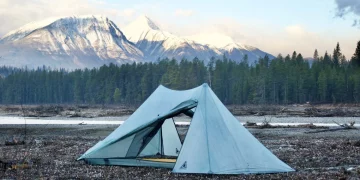
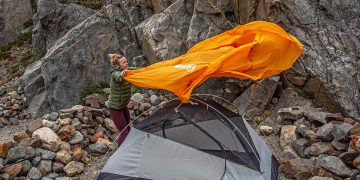
Tents are some of the heaviest items in any backpacker’s loadout. An ultralight tent uses lighter materials and is often designed with a minimalist setup in mind, reducing weight and bulk. Popular ultralight tents like the Zpacks Duplex or the Big Agnes Fly Creek are known for being lightweight but still durable enough to handle challenging conditions.
While ultralight tents are fantastic for solo trekkers, those who plan on camping in harsh weather conditions or with multiple people may need to opt for a slightly heavier, more durable model.
3. Sleeping Bag
Sleeping bags are essential to staying comfortable on the trail, but ultralight versions have revolutionized how little weight you need to carry. The key to ultralight sleeping bags is insulation. Down feathers are typically used in ultralight models for their superior warmth-to-weight ratio, although synthetic options are available for those who need them to perform better in wet conditions.
A good ultralight sleeping bag should balance warmth and packability. The lighter the bag, the more compact it can be when packed, which leaves more room in your pack for food and other essentials.

4. Stove
Cooking gear is another area where weight-saving can make a big difference. A small, compact ultralight stove like the MSR PocketRocket or the Soto Amicus is efficient for boiling water and preparing meals. These stoves are simple, lightweight, and perfect for quick meals when you’re on the go.
While these stoves are excellent for solo adventurers, larger group outings may require a heavier stove system to provide enough heat for multiple people.
5. Clothing
Ultralight clothing is designed to keep you warm, dry, and comfortable while minimizing weight. Merino wool, lightweight synthetics, and waterproof/breathable fabrics have revolutionized outdoor wear. Ultralight jackets, base layers, and rain shells are all designed to take up less space in your pack while still offering ample protection from the elements.
When choosing ultralight clothing, it’s important to consider layering. Ultralight gear typically requires the use of several layers that can be adjusted depending on the conditions. This system maximizes warmth and breathability without adding unnecessary weight.
6. Sleeping Pad
The ultralight sleeping pad provides insulation from the cold ground and comfort for a better night’s sleep. While inflatable pads are the most common option in ultralight gear, foam pads are also a lightweight and durable choice. When selecting a sleeping pad, consider both the weight and the R-value (the insulation rating) to ensure adequate comfort and warmth.
The Future of Ultralight Gear
As outdoor technology advances, we can expect ultralight gear to continue evolving. Manufacturers are constantly innovating, pushing the boundaries of materials, design, and functionality. We are seeing advancements in waterproof fabrics, ultra-strong carbon fiber poles, and more efficient energy solutions. As the industry grows, we can also expect to see more accessible and affordable ultralight gear for beginner adventurers.
At the same time, the philosophy of ultralight backpacking is becoming increasingly about sustainability and environmental responsibility. Many of the leading ultralight gear brands are working to create products that use recycled materials, have longer lifespans, and are more repairable.
Conclusion: Is Ultralight Gear Essential for You?
Ultralight gear is an essential part of modern outdoor adventures for those who prioritize speed, comfort, and endurance. However, it’s important to remember that ultralight gear isn’t a one-size-fits-all solution. For some trips, traditional, heavier gear might still be necessary. When making your decision, consider the specific needs of your adventure, the conditions you’ll face, and your own comfort and experience level.
Ultimately, ultralight gear is about finding the right balance—stripping away the excess while keeping the gear that serves you best. It’s a philosophy rooted in efficiency, mobility, and joy on the trail. If your adventure calls for lightweight and fast, then ultralight gear could very well be the key to unlocking your best experience yet.