






Navigating the wilderness, whether you’re trekking through dense forests, hiking in remote mountains, or exploring deep deserts, is exhilarating. Yet, as convenient as modern technology is, a critical question arises: Can you rely on GPS for off-grid navigation? Does it provide the level of accuracy and dependability you need when venturing into the unknown?
In this article, we’ll dive into the complexities of GPS technology, explore its limitations when used off-grid, and suggest alternative methods to ensure you stay on course in the wild. From technical nuances to practical advice, let’s uncover whether your GPS is truly your best friend in the backcountry or if it might leave you stranded when you least expect it.
The Basics of GPS: How Does It Work?
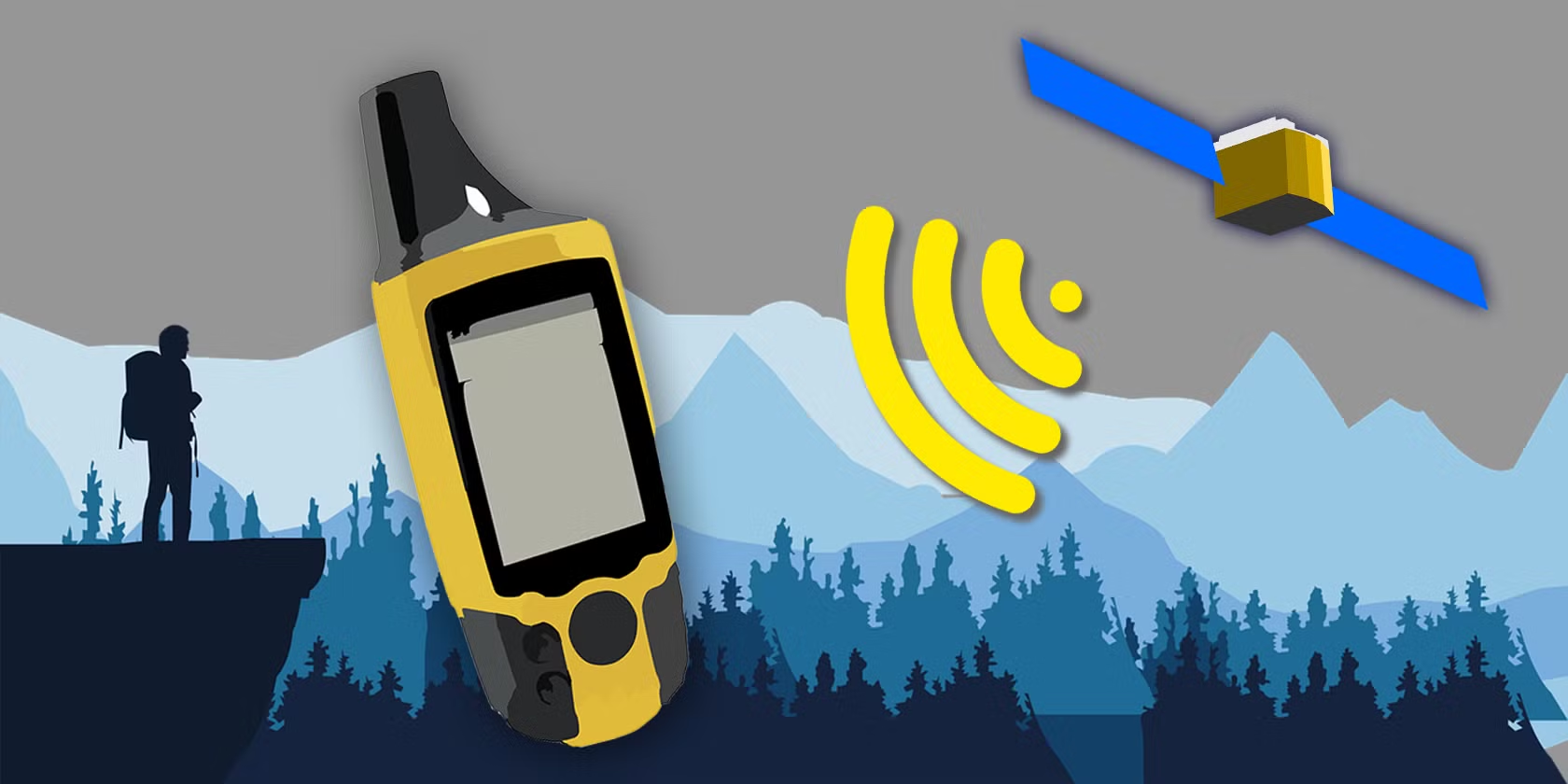
Global Positioning System (GPS) relies on a network of approximately 30 satellites orbiting the Earth. These satellites transmit signals to GPS receivers on the ground, allowing them to pinpoint their location based on the time it takes for the signals to travel. GPS relies on a technique called triangulation, where signals from at least three satellites are needed to determine your location on the Earth’s surface.
However, the beauty of GPS lies not just in its ability to give you latitude and longitude but in how it helps map coordinates, track movement, and even calculate altitude.
GPS Accuracy in Ideal Conditions
In ideal conditions—clear skies, a direct line of sight to the sky, and minimal interference—GPS can be remarkably accurate, often within a few meters. Modern GPS systems, including those built into smartphones, typically offer accuracy between 3 to 5 meters. High-end GPS devices used by professionals or military-grade models can achieve even finer accuracy, sometimes as precise as 1 meter or less.
This level of precision is useful for activities like geocaching, hiking, or even boating. However, what happens when these conditions are compromised? Let’s explore.
The Limits of GPS Accuracy in Challenging Environments
When you leave the beaten path and enter more rugged terrain, GPS accuracy can take a hit. There are several factors that can cause your GPS to underperform in the wild:
1. Dense Tree Cover and Mountainous Terrain
The most common challenge to GPS in off-grid environments is signal obstruction. When you’re deep in a forest with a thick canopy overhead or navigating narrow canyons, satellites may not have a clear line of sight to your GPS receiver. This can cause the signals to bounce or be weakened, leading to multipath errors—a phenomenon where signals take longer to reach the device or are reflected off objects, causing inaccuracies.
In mountainous regions, GPS errors can be even more pronounced. Steep cliffs and valleys can obstruct the view of satellites, leading to large inaccuracies in your location, sometimes even hundreds of meters off.
2. Atmospheric Interference
The atmosphere, specifically the ionosphere and troposphere, can also affect GPS signal quality. When the GPS signals pass through different layers of the Earth’s atmosphere, their speed and direction can change. This can cause a delay in signal reception, which results in reduced positional accuracy.
3. Urban Canyons and GPS Jamming
When you venture near urban areas or into locations known as “urban canyons” (areas surrounded by tall buildings or structures), your GPS signal can be disrupted by reflections off nearby walls. This results in what is known as multipath distortion, where the signal is delayed due to being reflected off multiple surfaces.
Additionally, GPS jamming or spoofing—while less common—has become an increasing concern. Intentional interference can create false GPS signals, confusing navigation systems and causing errors that could be catastrophic when navigating off-grid.
4. Device Quality and Battery Life
Another important factor is the quality of your GPS receiver. Consumer-grade devices, including smartphones, rely on a mix of GPS, Wi-Fi, Bluetooth, and cellular networks to help pinpoint your location. While these devices are adequate for urban or suburban navigation, they can struggle in areas with weak signals or when battery life starts to decline.
GPS devices that rely only on satellite signals tend to perform better in remote areas, as they’re not dependent on other technologies. However, even the best devices are vulnerable to environmental conditions and may lose signal or become inaccurate in the wild.
What Happens When GPS Fails?
While GPS is a powerful tool, it’s important to have a backup plan when navigating off-grid. When GPS fails, you’re left to rely on traditional methods like maps, compasses, or even natural navigation techniques. Here’s what you should know:
1. Map and Compass Navigation
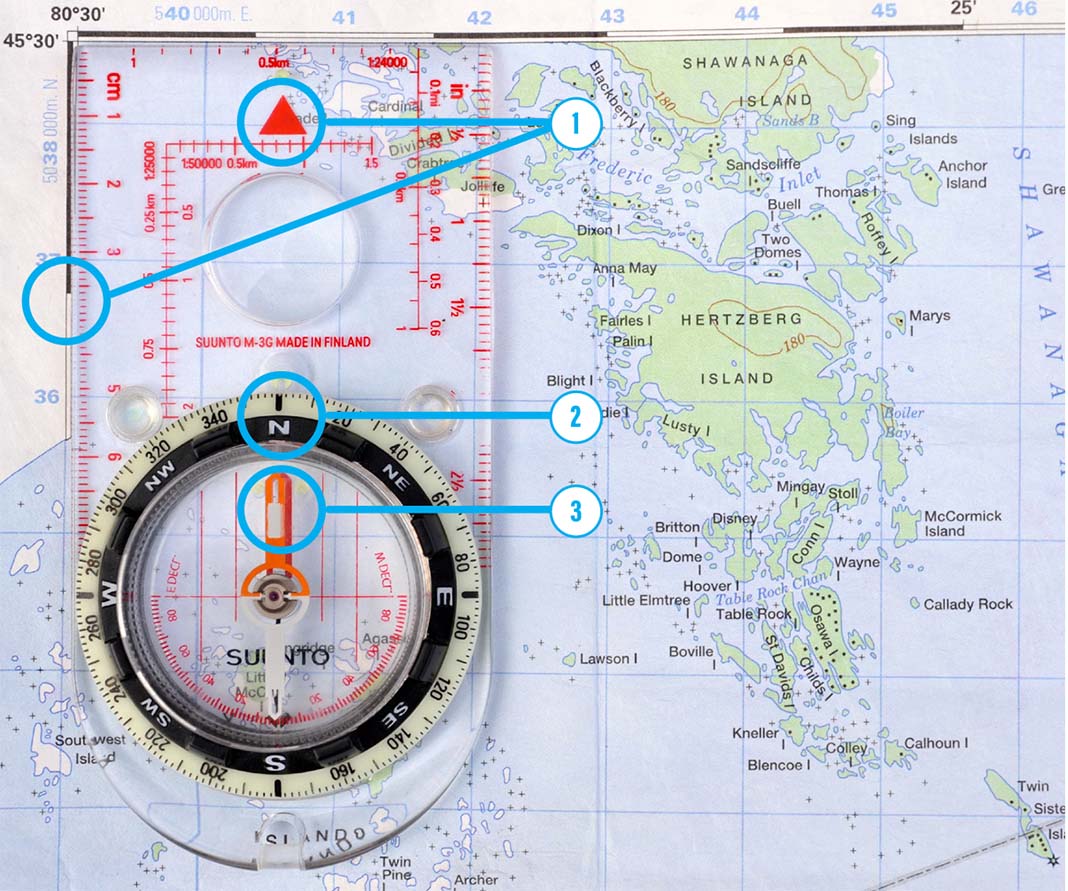
While it may seem old-fashioned, the map and compass combo is still a reliable method for navigation. When your GPS fails, knowing how to read a map and use a compass to orient yourself is crucial. Topographic maps, in particular, can give you invaluable insight into the terrain and the landscape around you.
2. Natural Navigation
Experienced outdoorspeople often rely on natural cues to help them stay oriented. The position of the sun, the behavior of the wind, or even the patterns of vegetation can provide valuable clues about direction and time of day.
3. Dead Reckoning
Dead reckoning is a navigation technique where you estimate your current position based on your previous location, speed, and direction. This method requires careful tracking of your movement and a good sense of direction. It’s especially useful when you’re unable to rely on external markers.

Ensuring GPS Accuracy in Off-Grid Environments
While GPS can never be guaranteed to be 100% accurate in the wilderness, there are strategies to maximize its reliability:
1. Use a High-Quality GPS Device
If you’re venturing into remote locations, investing in a high-end GPS device specifically designed for rugged environments is a wise choice. These devices are built to work with minimal signal and often include features like longer battery life, more accurate barometric pressure sensors for altitude, and better antenna designs.
2. Update and Calibrate Your Device Regularly
Before heading out, ensure your GPS device has the latest software updates. Additionally, calibrating your GPS receiver before use—especially in unfamiliar areas—can help enhance accuracy. Many devices allow you to calibrate your compass or GPS to get a more precise reading.
3. Combine GPS with Traditional Tools
Rather than relying solely on your GPS, combine it with other navigation tools. A physical map and compass should always be in your kit. Additionally, learning the basics of navigation without technology is a life-saving skill.
4. Be Prepared for Signal Loss
It’s essential to be prepared for situations where you might lose GPS signal altogether. This is especially true in areas known for poor satellite visibility, such as dense forests or deep valleys. Have a contingency plan in place and always let someone know your route in advance.
5. Carry Extra Batteries and Power Sources
Your GPS is only as reliable as its power source. Make sure to carry extra batteries or a portable power bank, especially for long trips. Solar-powered chargers can be a lifesaver in remote areas, providing a reliable backup in case of emergency.
Final Thoughts: Is GPS Enough?
The bottom line is that while GPS is an invaluable tool for navigation, it’s not foolproof—especially in off-grid, challenging environments. The technology can be affected by environmental factors like terrain, weather, and interference. That said, when used in combination with traditional navigation skills and tools, GPS can greatly enhance your ability to navigate the wilderness safely and confidently.
Before heading off-grid, make sure you understand both the strengths and weaknesses of GPS. Equip yourself with a backup plan, and never underestimate the value of classic navigation techniques. With the right preparation, you’ll be able to confidently explore even the most remote and rugged corners of the world.