




When you find yourself deep in the wilderness, far from modern conveniences, one of your most pressing concerns will undoubtedly be access to clean drinking water. While water might appear abundant in nature, it’s not always safe to drink straight from a stream, lake, or river. Contaminants can lurk beneath the surface, making seemingly pure water potentially dangerous to consume. Knowing how to assess the safety of water in the wild could mean the difference between a successful adventure and a dangerous health crisis.
In this article, we’ll dive into practical tips and techniques to help you determine whether the water around you is safe to drink. We’ll also explore some common waterborne threats and provide strategies for purifying water when you need it most.
1. Understanding the Risks of Drinking Untreated Water
Water sources in the wilderness are susceptible to contamination by a variety of harmful microorganisms, chemicals, and pollutants. The primary risks associated with drinking untreated water in the wild include:
a. Bacterial Contamination
Bacteria like E. coli, Salmonella, and Campylobacter are common in untreated water and can cause serious gastrointestinal illnesses. Symptoms include nausea, vomiting, diarrhea, and abdominal cramps. In extreme cases, bacterial infections can lead to dehydration or even death.
b. Viral Contamination
Viruses such as Norovirus or Hepatitis A can also find their way into water sources through animal waste or human activity. These viruses may cause symptoms ranging from mild stomach issues to severe liver disease.
c. Protozoa
Giardia and Cryptosporidium are protozoan parasites that are commonly found in untreated water, especially in remote areas. These parasites can cause symptoms like diarrhea, fatigue, bloating, and dehydration.
d. Chemical Contaminants
Chemicals from agricultural runoff, industrial waste, or even naturally occurring substances like heavy metals can contaminate water. Though less common, chemical contamination can be deadly and is more difficult to detect without testing.
e. Sediment and Debris
In addition to biological threats, water sources may contain sediment, dirt, or organic debris that can affect both the taste and the clarity of the water. While this may not always pose a significant health risk, it’s often a good indicator that the water might need further purification.
2. Evaluating Water Sources
Before you drink water from any source in the wilderness, it’s essential to evaluate the water’s appearance, proximity to possible contamination sources, and the surrounding environment. Here are a few things to look out for:
a. Clear and Flowing Water Is Best
Clear, fast-moving water is often the safest option, especially if it’s coming from a high elevation. Streams and rivers that flow rapidly tend to have lower concentrations of harmful microorganisms due to their movement and constant filtration through rocks and sediment. Avoid standing water, like ponds or stagnant pools, as they provide a breeding ground for bacteria and algae.
b. Look for Contaminants Nearby
Assess the area around the water source. If the water is near animal carcasses, sewage runoff, or heavily trafficked areas, it’s more likely to be contaminated. Animals, especially wild ones, may carry parasites or bacteria that can easily be transferred to the water.
c. Consider the Season
The time of year can also influence water quality. After a heavy rainfall, water sources might become contaminated due to runoff from surrounding land. During the spring melt, snowmelt can carry increased levels of organic material, silt, and contaminants.
3. Visual and Sensory Clues to Look for in Water
When you approach a water source, pay attention to the following:
a. Clarity
Water that’s murky or discolored is a red flag. Clear water is generally safer, though it doesn’t guarantee purity. However, murky water could contain dirt, silt, algae, or microorganisms.
b. Smell
If the water has an off-putting or strong smell—like sulfur, rotten eggs, or sewage—it is best avoided. Unpleasant smells often indicate the presence of bacterial or chemical contamination.
c. Taste (If You Must)
While you should never taste untreated water unless you’re absolutely certain it’s safe, a small sip may help you determine if something is off. Bitter or metallic tastes can be a sign of chemical contamination, while a bad or strange taste might suggest bacterial presence.
4. The Role of Filtration and Purification
No matter how clean or clear the water looks, it’s always a good idea to purify it before drinking. There are various methods to do so, each with its advantages and limitations:
a. Boiling
Boiling water is one of the most effective ways to kill bacteria, viruses, and parasites. Bring the water to a rolling boil for at least 1-3 minutes (longer at higher altitudes), and it will be safe to drink. Boiling is simple but can be energy-consuming and time-intensive.
b. Filtration
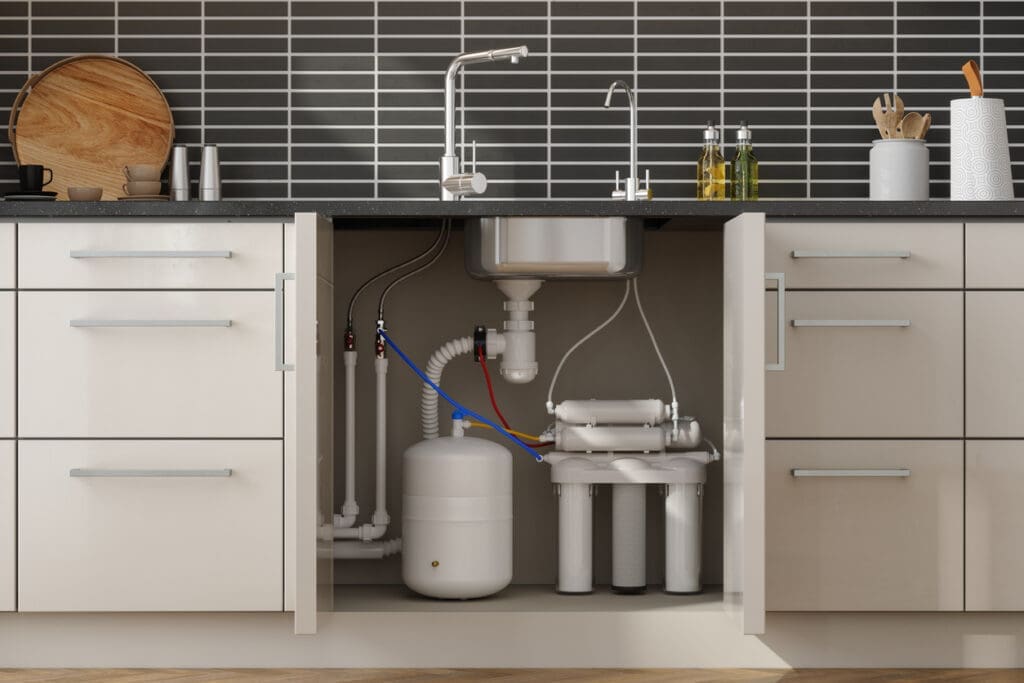
Portable water filters are a popular choice for backpackers and wilderness travelers. Filters work by physically trapping contaminants like bacteria, protozoa, and sediment while allowing clean water to pass through. However, not all filters are created equal. Some only target bacteria and protozoa, while others are designed to filter out viruses as well.
When selecting a filter, look for models with a pore size of 0.2 microns or smaller to ensure bacteria and protozoa are removed. For viruses, a filter with activated carbon or a UV light purifier may be necessary.
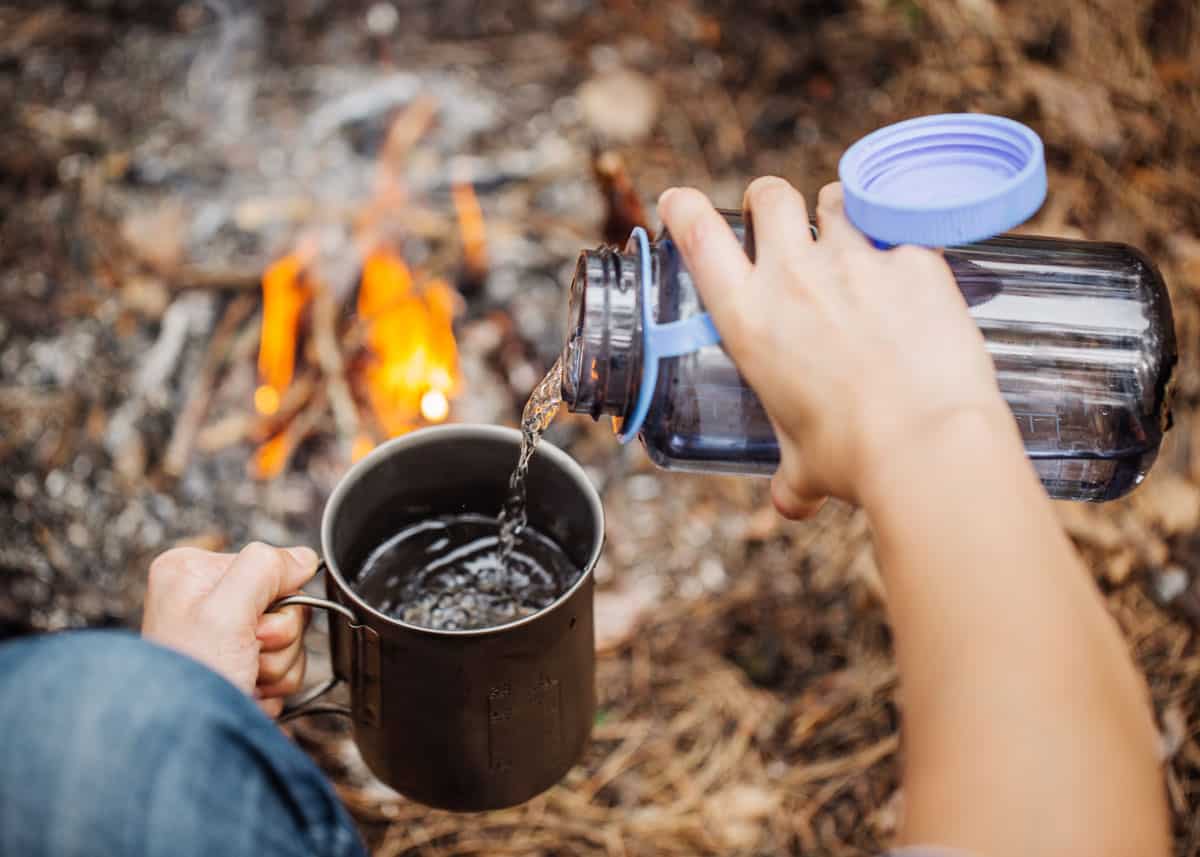
c. Chemical Treatments
Chemical treatments, such as iodine or chlorine tablets, are lightweight and effective at killing microorganisms. However, they don’t filter out sediment or chemicals, so they’re best used in conjunction with other purification methods. Note that chemical treatments can take up to 30 minutes to be fully effective and may leave an unpleasant taste.
d. UV Light Sterilization
Ultraviolet (UV) light purifiers use UV rays to destroy the DNA of harmful microorganisms, effectively neutralizing them. These devices are fast, easy to use, and don’t alter the taste of the water. However, they require batteries and won’t work in cloudy water or if the device is submerged for too long.
5. When You Have No Gear
Sometimes you might find yourself in the wilderness without the luxury of having purification gear on hand. In such cases, there are still a few tricks you can use to reduce the risk of contamination:
a. Use Sedimentation
If the water is muddy or has visible debris, you can improve its clarity by allowing the water to sit undisturbed for several hours. Heavy particles will settle at the bottom, leaving you with clearer water. After decanting the top layer, boil or treat it chemically before drinking.
b. Find Moving Water
In the absence of a filter or boiling pot, moving water is still your best bet. Flowing water has less time to accumulate harmful bacteria, which makes it safer than standing water. If you can find water flowing down from higher ground, the chances of it being less contaminated are greater.
6. Water Treatment for Specific Contaminants
Not all wilderness water problems are biological. Sometimes, the source may be chemically polluted, requiring a different approach to purification.
a. Heavy Metals and Industrial Contaminants
Water contaminated with industrial runoff or heavy metals (like lead or mercury) is more challenging to treat. Filtration systems that use activated charcoal or reverse osmosis can be effective at removing these substances, but these methods require specialized equipment.
b. Agricultural Runoff
If you are near agricultural land, the water may be contaminated with pesticides or herbicides. A high-quality filter that uses activated charcoal can help remove some of these chemicals, but the risk remains. If possible, try to move away from agricultural areas when sourcing water.
c. Algal Blooms
Algal blooms can produce toxins harmful to humans and animals. In some cases, boiling the water may not be enough to remove these toxins, so it’s best to avoid drinking water near algal blooms altogether.
7. Conclusion: When in Doubt, Purify
In the wilderness, water might look clean and inviting, but appearances can be deceiving. The only way to be absolutely certain that water is safe to drink is to purify it using one or more methods: boiling, filtering, or chemically treating it. Always carry a reliable water filtration system and know how to make use of natural methods for treating water when necessary. Even in an emergency, taking a few extra minutes to purify water could save you from a dangerous illness that could ruin your trip—or worse.