






When you invest in gear—whether it’s outdoor equipment, tech gadgets, or high-end sports gear—the goal is to buy something that will endure. You want something that stands the test of time, that can handle rough conditions, and that won’t break down after a few uses. But how can you be sure if the gear you’re eyeing is built to last? In this article, we’ll break down the essential factors that contribute to durability and guide you through how to assess whether your gear is truly built to stand the test of time.
1. Material Quality: The Backbone of Durability
The materials used in making gear are the first indicators of its potential durability. The quality of materials affects everything from weight to resistance to wear and tear. Gear made with low-quality materials may seem inexpensive upfront, but it can easily fail under pressure or after repeated use.
Metal: Stainless Steel vs. Aluminum vs. Titanium
- Stainless Steel is known for its strength, resistance to corrosion, and longevity. It’s typically heavier than other metals but excellent for products that need to withstand harsh conditions, like knives, tools, and cookware.
- Aluminum is lightweight and resistant to corrosion but may be less robust than stainless steel in terms of handling heavy-duty tasks. It’s often used in gear that requires portability, such as tents, backpacks, and cooking utensils.
- Titanium offers a superior balance of lightness and strength, making it ideal for high-performance outdoor gear like cookware, knives, and even bicycles.
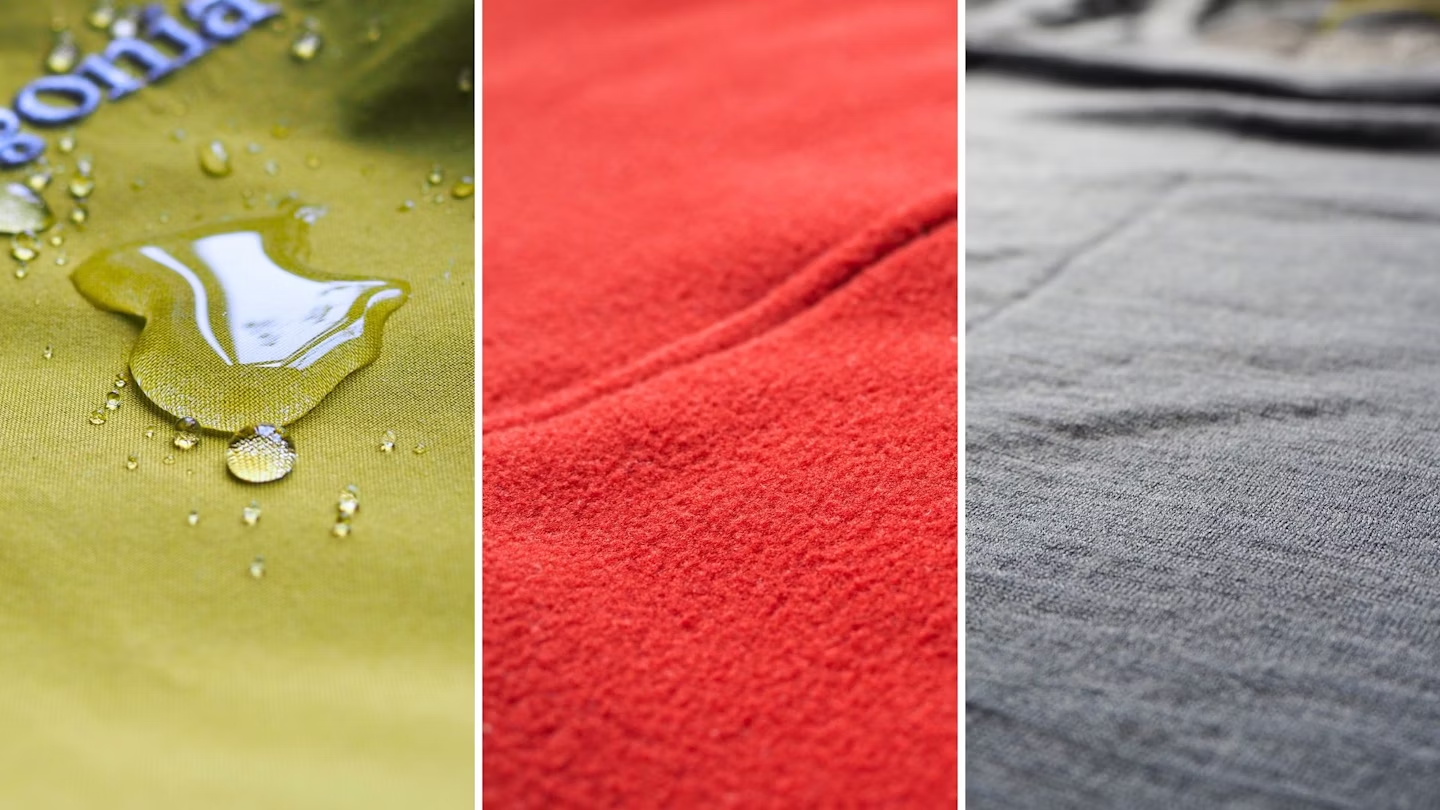
Fabric: Nylon vs. Polyester vs. Canvas
- Nylon is lightweight, durable, and resistant to abrasion, making it a popular choice for backpacks, jackets, and tents.
- Polyester holds its shape well and resists shrinking or stretching. It’s typically used for tents and outdoor gear that need to endure various weather conditions.
- Canvas is robust and resistant to wear, but it’s heavier and less water-resistant. Still, it’s commonly used in durable bags and military-style gear.
Plastic and Composites
High-quality plastics, like polycarbonate or fiberglass-reinforced nylon, are often used in gear like helmets, bike frames, and body armor. Look for plastics that are UV-resistant and can endure exposure to the elements without degrading.
2. Construction: The Way Gear is Built
How well gear is assembled matters just as much as the materials it’s made from. Strong construction methods ensure that the gear can handle stress over time without falling apart. The seams, joints, stitching, and fastenings are all critical indicators of quality craftsmanship.
Seam Integrity
In outdoor gear like tents and backpacks, pay attention to the seams. Double-stitched seams are generally more durable and resistant to tearing than single-stitched seams. Also, look for taped seams, which help prevent water from leaking through.
Welds vs. Screws
When it comes to items like water bottles, camping stoves, or outdoor cookware, welded joints tend to be stronger and more reliable than screws, which can loosen over time. Welded seams often provide better resistance to the elements and extreme conditions.
Reinforced Stress Points
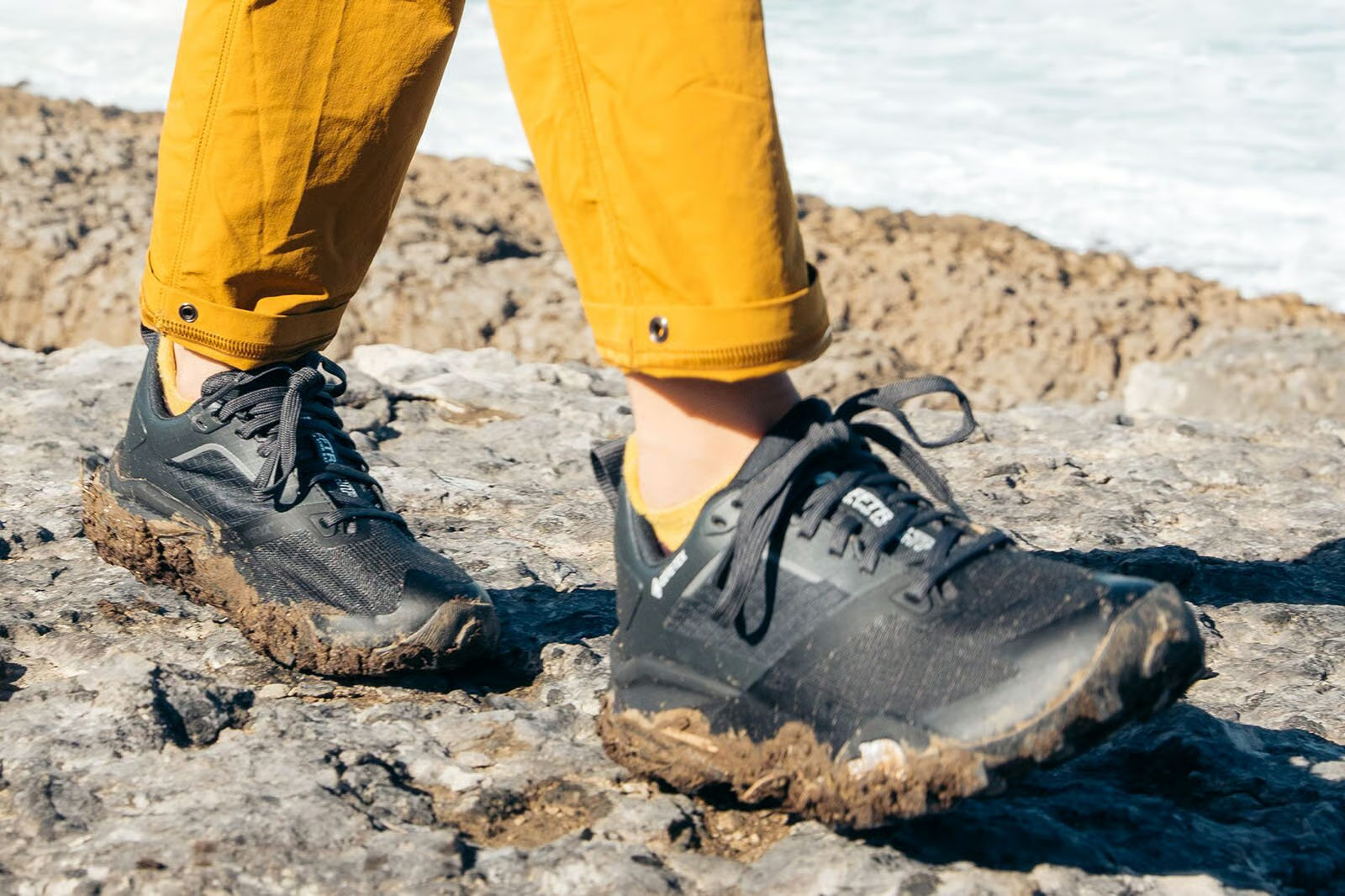
Check for extra reinforcement at points where gear will experience the most stress. For example, backpacks should have extra stitching or rivets around straps, zippers, and buckles. Hiking boots often have reinforced toe caps and heel counters.
3. Design and Ergonomics: Ease of Use and Functionality
Great gear is not only durable, but also functional and comfortable to use. Poorly designed equipment can put unnecessary strain on your body, make your activities more difficult, or wear out faster.
Fit and Comfort
Whether you’re dealing with shoes, backpacks, or sleeping bags, proper fit is essential for both performance and longevity. A poorly fitted piece of gear will wear unevenly, leading to premature failure. For example, shoes that don’t fit properly may cause excessive wear on certain areas of the material or stitching.
Weight and Portability
While you want your gear to be sturdy, it’s also important to keep it as lightweight as possible. Gear that’s too heavy can make outdoor adventures unnecessarily difficult. But, there’s a fine line between weight and durability. High-performance gear strikes a balance, offering strength without excessive bulk.
User-Friendly Features
Good design incorporates features that make the gear easy to use. This could mean ergonomic handles on tools, intuitive controls on gadgets, or extra storage compartments in bags. Thoughtful design not only improves performance but also reduces wear from misuse or overuse.
4. Brand Reputation and Reviews: Insights from the Field
One of the best ways to gauge the durability of gear is to check out what other users have experienced. A brand with a reputation for quality will often provide transparency about the materials, construction processes, and warranties of its products.
Longevity in the Market
A brand that has been in the market for a long time is likely to have built its reputation on quality. Established brands often invest in rigorous testing and development to ensure their products stand the test of time. They also tend to offer better customer support and warranty policies.
Customer Reviews and Expert Opinions
Before making a purchase, it’s important to read reviews from other customers who have used the product in real-world conditions. Look for patterns in feedback—if a certain issue arises repeatedly, it could be a sign of a flaw in the product’s durability. Expert reviews, often conducted by outdoor gear testing websites or industry professionals, provide more in-depth insights into how well the gear performs over time.

5. Testing the Gear: Hands-On Inspection
If possible, inspect the gear in person before buying. A physical inspection allows you to look for signs of poor craftsmanship, flaws in the material, or questionable design.
Flexing, Bending, and Stretching
If the gear is bendable (like a piece of luggage or a tent pole), try bending or flexing it slightly to check for signs of fragility or cracking. Durable materials should maintain their shape and not show signs of stress.
Rough Handling Test
Give the gear a quick “stress test” by handling it roughly. Pull straps, tug at zippers, and snap buttons to check if any of these parts feel flimsy or loose. A piece of gear that’s built to last should feel solid, with no easy signs of wear, even after minimal handling.
Exposure to Weather Conditions
For outdoor gear, consider how it stands up to exposure. Can it withstand rain, heat, or cold without breaking down? Is the material resistant to UV damage, or will it degrade with prolonged sun exposure? Gear that performs well under various environmental conditions is often designed with durability in mind.
6. Maintenance: The Key to Extending Gear Life
Even the most durable gear requires proper maintenance to last. Neglecting maintenance can lead to premature wear, damage, and a shortened lifespan.
Cleaning and Care
Follow the manufacturer’s care instructions to keep your gear in top condition. This could mean regular cleaning, conditioning leather products, or re-waterproofing jackets and tents. Regular maintenance prevents small issues from becoming major problems.
Storage
Proper storage is equally important. Storing gear in a dry, cool place can prevent rust, mold, and deterioration. For example, keeping hiking boots in a moisture-free area can stop the leather from cracking, while storing a tent in a cool, dry place prevents mildew buildup.
7. Warranty and Customer Service: The Safety Net
A reliable warranty and responsive customer service can be an indicator of the manufacturer’s confidence in the durability of their gear. High-quality gear often comes with a solid warranty, and if something does go wrong, you can count on support for repairs or replacements.
Warranty Length and Coverage
Look for gear that offers long-term warranties, typically five years or more for high-end products like backpacks, tents, or electronics. A warranty that covers defects in materials and workmanship gives you peace of mind that the manufacturer believes in the quality of their product.
Customer Support
Check reviews of the company’s customer service before purchasing. Companies that offer easy access to support, quick repairs, and fair refund policies are often committed to their customers’ satisfaction.
8. Price vs. Longevity: Is the Investment Worth It?
Finally, when assessing the durability of gear, consider the long-term investment. While high-quality gear may come with a higher initial cost, it will likely save you money in the long run. You won’t have to replace it as often, and it will perform better in tough conditions. Consider this: buying cheap gear that wears out quickly is often more expensive over time than investing in a premium product upfront.
Conclusion: Trust Your Instincts and Knowledge
In the end, the best way to tell if your gear is built to last is to combine the knowledge of quality materials, construction, design, and brand reputation with hands-on experience. Don’t be afraid to test gear out, read reviews, and check out the company’s history. Durability isn’t just about materials; it’s about how well the product is designed, built, and maintained.
By following these tips, you’ll be able to confidently select gear that will withstand years of use, helping you get the most value out of your investment. So next time you’re making a gear purchase, keep these considerations in mind. Happy adventuring!