







In the crowded world of project management tools, Basecamp has earned its place as one of the most recognized and long-standing options. With its simple, user-friendly design, it promises streamlined collaboration and efficient communication. Yet, despite its many advantages, a surprising number of startups do not choose Basecamp as their go-to collaboration tool. This article delves into the reasons behind this phenomenon, while also considering why Basecamp still holds value for certain businesses.
Basecamp’s Promise: Simplicity, Focus, and Integration
Basecamp has always stood out because of its simplicity. Unlike many tools that try to do everything at once, Basecamp sticks to the essentials, focusing on providing a straightforward, all-in-one platform for project management. The platform offers:
- To-do lists: Task management without the clutter.
- Message boards: Centralized communication for team discussions.
- File storage: Easy access to shared documents.
- Calendar: Organized scheduling for deadlines and events.
- Team collaboration: Chat features that encourage spontaneous communication.
- Automatic check-ins: Tools to ensure everyone is on the same page.
For those seeking a simple, uncluttered solution, Basecamp can be the perfect fit. But does it meet the needs of today’s rapidly growing startups? The answer is complicated.
1. The Demand for More Complex Features
As startups scale, the demands on their project management tools also increase. Early-stage companies may thrive with Basecamp’s simplicity, but once they grow in size or complexity, the limitations of its feature set often become apparent.
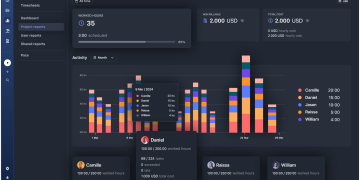
- Advanced Reporting and Analytics: Many startups, particularly those working in data-heavy industries, require advanced reporting tools that provide insights into team performance, project timelines, and financials. Basecamp does not offer deep reporting features, making it less appealing for teams that need real-time metrics and detailed analytics.
- Integration with Specialized Tools: Startups often rely on a host of specialized tools (CRM, accounting, marketing platforms, etc.) to streamline their operations. While Basecamp offers integrations, they tend to be more limited compared to tools like Slack, Asana, or Monday.com, which offer a broader range of third-party app integrations. This lack of deep integration can cause friction for startups that rely on multiple platforms.
- Advanced Task Dependencies and Workflows: Complex project workflows often require task dependencies, time tracking, and Gantt charts. Basecamp’s straightforward task management system lacks advanced project scheduling tools, making it more suitable for smaller teams or simpler projects.
2. The Shift Toward Agile Methodologies
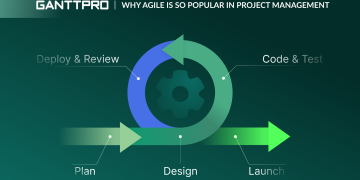
Agile methodology, which emphasizes iterative development and continuous feedback, has become the go-to project management approach for many tech startups. While Basecamp offers features that support collaborative work, it is not inherently designed for Agile workflows.
- Sprint Management: Tools like Jira and Trello are specifically designed to handle Agile processes such as sprint planning, backlog management, and tracking velocity. Basecamp’s linear and task-based approach doesn’t support the iterative, flexible nature of Agile as effectively.
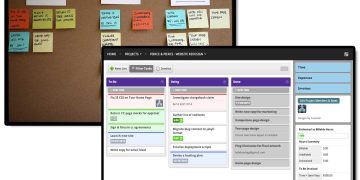
- Kanban Boards: Trello’s Kanban-style boards are highly popular in Agile environments. Startups that prefer this visual project management style find Basecamp’s layout less intuitive when it comes to tracking work in progress.

Basecamp’s lack of features that cater to Agile teams might explain why startups in software development or product-driven industries often shy away from it in favor of more specialized tools.
3. The Preference for Real-Time Collaboration Tools
The rise of real-time communication tools like Slack has fundamentally changed the way teams collaborate. Startups, especially in the tech and creative industries, thrive on rapid, real-time communication, which is sometimes hard to achieve with Basecamp’s slower-paced approach.
- Chat-first Communication: Slack, Microsoft Teams, and similar tools have become essential for startups that depend on fast-paced, immediate communication. While Basecamp does have a chat feature, it’s not as central to its functionality as it is in other tools designed around real-time interactions.
- Collaboration and Feedback Loops: Slack also provides seamless integrations with other tools, making it an effective hub for communication and collaboration. Startups that operate in fast-moving environments, where feedback and decisions need to happen instantaneously, may find Basecamp’s email-style communication features cumbersome.
While Basecamp’s asynchronous communication model is highly effective for certain teams, it doesn’t lend itself as easily to the immediacy that many startups need.
4. Cost vs. Functionality: The Pricing Structure
Basecamp offers a flat pricing model, which can be advantageous for larger teams or organizations with fixed budgets. However, for early-stage startups, the cost can become a significant concern, especially when the platform doesn’t offer all the features they need to justify that cost.
- Flat-Rate Pricing: Basecamp charges a flat fee of $99 per month, which gives all team members access. For smaller teams or startups with a tight budget, this flat pricing structure might seem excessive when compared to other project management tools that offer tiered pricing based on the number of users, such as Trello or Asana.
- Freemium Models: Other tools provide a more flexible pricing structure, offering free plans or low-cost options that allow startups to scale up as they grow. This makes it easier for companies to experiment with different tools without a significant upfront investment.
5. Aesthetic and User Interface Preferences

While Basecamp’s minimalist interface has its advantages, it doesn’t always align with the design preferences of every startup team. Startups, particularly in creative industries, often prefer project management tools with more visually engaging interfaces and features.
- User Experience (UX): Tools like Asana, Monday.com, or ClickUp provide rich, customizable visual workflows that can be tailored to a startup’s brand and style. These tools prioritize engaging user experiences, offering color coding, visual task boards, and more. For startups that value design and creativity, Basecamp’s austere design may feel a bit too “plain.”
- Personalization: While Basecamp is highly functional, it doesn’t allow for the level of customization that some startups desire. Users may want to personalize their workspace with custom dashboards, detailed templates, or specialized views, which Basecamp doesn’t support as extensively as other platforms.
6. Team Size and Scope of Operations
Startups come in all shapes and sizes, and the larger a company grows, the more complex its collaboration needs become. Basecamp is great for small to medium-sized teams, but it can struggle with the sheer complexity of larger organizations.
- Cross-functional Teams: Startups with multiple teams (marketing, development, design, etc.) need a platform that can support multiple workflows, track cross-functional tasks, and allow for detailed reporting. Basecamp’s linear system and lack of complex project management features may not meet the needs of such teams.
- Enterprise-Level Solutions: Larger organizations or those planning to scale might prefer tools designed for more intricate operations. As companies grow, they often need features like advanced reporting, time tracking, multi-project views, and custom workflows. Tools like Jira, ClickUp, or Wrike provide the flexibility and customization that larger teams require.
7. Lack of In-Depth Customer Support
Another reason startups may shy away from Basecamp is the perception that its customer support isn’t as robust as other project management platforms.
- Self-Service Support: Basecamp primarily offers self-help resources, including guides and a knowledge base. While this can work for users who are comfortable troubleshooting on their own, it might not be ideal for startups that require more immediate or hands-on support when problems arise.
- Live Support: Other platforms like Asana and Monday.com offer live chat or phone support for troubleshooting, which is more aligned with the fast-paced, high-stakes nature of startups.
Conclusion: Basecamp Still Has Its Place
Basecamp may not be the top choice for every startup, especially those with complex workflows or rapid growth trajectories. However, for smaller teams or those who value simplicity, ease of use, and effective communication, Basecamp can still be a great option. Its minimalist design and focus on essentials offer a unique value proposition in a world of overcomplicated project management tools.
For startups looking for flexibility, scalability, and real-time collaboration, other tools might be a better fit. But for teams that prioritize clarity, simplicity, and a non-cluttered workspace, Basecamp remains a tried-and-true solution. The challenge for Basecamp is to adapt to the evolving needs of startups as they scale — and whether it can expand its feature set to stay competitive in an increasingly crowded field.