






Introduction
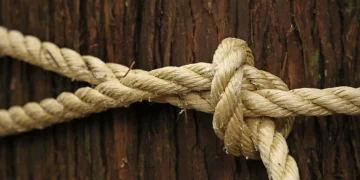
In the wilderness, survival and efficiency often hinge on a set of foundational skills, with one of the most versatile being knot tying. While many may view it as a simple or mundane task, knot tying is, in fact, a cornerstone of fieldcraft—the art of surviving and thriving in nature. Whether for building shelters, securing gear, or navigating through rough terrain, the ability to tie knots effectively can make the difference between success and failure in the field.
In this article, we will explore why knot tying is an essential skill for outdoor enthusiasts, survivalists, and anyone who ventures into the wild. From understanding the practical applications of knots to exploring the psychology behind learning and mastering this skill, we will delve into the nuances that make knot tying indispensable in fieldcraft.
The Role of Knot Tying in Fieldcraft
Fieldcraft is about resourcefulness, adaptability, and efficiency, and knot tying intersects with all of these principles. The versatility of knots allows you to adapt your tools, create shelter, and solve problems quickly in unpredictable environments. To understand the significance of knots, we must first look at their essential applications in the wild.
1. Building Shelter
One of the primary survival priorities in the wilderness is shelter, and knots are fundamental for constructing temporary shelters. Whether you’re building a tarp shelter, a lean-to, or a more complex structure like an A-frame, knots provide the means to secure materials and ensure the shelter stands firm against wind and rain.
Common knots used in shelter-building include:
- Bowline Knot: A reliable loop knot that doesn’t slip under load, ideal for securing tarps and ropes.
- Taut-Line Hitch: Perfect for adjusting the tension on ropes, especially when securing tents or tarps.
- Clove Hitch: Often used to attach a rope to a post or tree, essential for creating structural integrity.
In these applications, knots not only provide stability but also ensure the longevity of your shelter, preventing it from collapsing during adverse weather conditions.
2. Securing Gear
Fieldcraft often requires you to transport various tools, equipment, and supplies across difficult terrain. Knots are essential for securing your gear—whether you’re lashing it to a backpack, creating a makeshift carrying system, or ensuring it remains attached to your person during climbing or trekking.
For securing gear, effective knots include:
- Square Knot (Reef Knot): A simple and reliable knot used for tying two ropes of equal diameter together, commonly used in gear rigging.
- Figure-Eight Knot: Commonly used in climbing, it creates a secure loop for attaching ropes to harnesses or carabiners.
- Prusik Knot: A friction knot used in climbing to ascend or descend ropes, making it vital for safety in steep terrain.

A fieldcraft expert knows that the wrong knot can lead to dropped gear, lost tools, or even dangerous accidents, so knowing which knots to use—and how to tie them correctly—is key to fieldcraft success.
3. Water Crossings and Emergency Ropes
Crossing rivers, streams, or other bodies of water is a common challenge in the field. Knots are invaluable when constructing makeshift bridges, securing floating devices, or setting up a rescue line. Ropes can be used for securing yourself or others, allowing you to safely traverse obstacles.
In water-related situations, knots like the Water Knot (ideal for joining two webbing straps) or the Bowline (which provides a reliable loop) are essential. Learning these knots can be a lifesaver in emergency situations where every second counts.
4. Navigation and Terrain Manipulation
Knots also come into play in navigation and manipulating terrain features. For example, you may need to tie ropes to climb steep slopes, rappel down cliffs, or set up a tensioned rope for a handhold. Additionally, knots help mark trails or create makeshift signals for communication.
5. First Aid and Rescue Situations
In emergency or first-aid scenarios, knots can be used to create splints, stretchers, or even tourniquets. You can tie bandages securely using knots or employ rope techniques to help extricate injured individuals from dangerous situations. The ability to tie reliable knots can aid in creating field medical tools and structures that are crucial during life-or-death moments.
Key Knot Tying Skills for Fieldcraft
While the practical applications of knots in fieldcraft are diverse, the real value of knot tying is in its versatility. Not all knots are created equal, and each serves a distinct purpose. Here are some of the most important knots every outdoorsperson should know:
1. The Bowline Knot
The bowline knot is perhaps the most important and widely used knot in the outdoors. It creates a loop that will not slip or bind under load, making it ideal for securing a rope to an object, such as a tree, or for creating a non-slip loop for climbing or rescue scenarios. Its ease of tying, even under difficult conditions, and reliability in maintaining a fixed loop make it a must-have knot in any survival situation.
2. The Taut-Line Hitch
The taut-line hitch is a versatile knot used for adjusting the tension on ropes. Whether securing a tarp or tightening a tent line, this knot is easy to adjust, ensuring your shelter or equipment remains secure even as conditions change. It’s especially useful when you need to maintain a constant tension in your setup.
3. The Clove Hitch
The clove hitch is a simple knot used for fastening a rope to a post, tree, or similar object. Its simplicity makes it easy to tie quickly, but its strength ensures it won’t come loose under pressure. The clove hitch is especially useful in situations where you need to attach a rope to an upright structure, like a tree or a pole.

4. The Figure-Eight Knot
The figure-eight knot creates a secure loop that can be used for tying ropes to carabiners, harnesses, or securing a load. It’s commonly used in climbing and rescue operations, where securing an individual to a rope is a priority. The figure-eight knot is both simple to tie and easy to inspect, which is why it’s favored in high-stakes situations.
5. The Prusik Knot
The prusik knot is a friction knot used in climbing and rescue operations. When tied around a rope, it creates a secure loop that can slide when not under load but grips tightly when weight is applied. This makes it a perfect knot for ascending or descending a rope in challenging terrain. In fieldcraft, it can also be used to create safety lines or to secure gear in vertical environments.
6. The Square Knot (Reef Knot)
The square knot is one of the most basic and reliable knots, ideal for joining two ropes or tying a bundle together. While it’s not as versatile as other knots, it’s often used for securing bandages in first aid or tying gear together. Its strength and simplicity make it a fundamental knot to learn early on.
Knot Tying as a Mental Skill
Knot tying isn’t just a physical skill; it also has a profound mental aspect. The process of learning knots involves both cognitive and tactile memory, requiring an individual to think critically about the best knot for a given situation, as well as the steps required to tie it correctly. This demands attention to detail, patience, and focus—all essential skills for survival and fieldcraft.
1. Memory and Precision
Learning how to tie knots requires the development of muscle memory. This allows you to tie knots quickly and confidently, even in stressful or low-light conditions. The more knots you practice, the more naturally you will be able to execute them. This is especially true when knots need to be tied under pressure, such as in a fast-moving rescue operation or when constructing a shelter before nightfall.
2. Problem-Solving
Knot tying is a problem-solving exercise. You must assess your needs—whether you need to create a loop, secure an item, or build a shelter—and then choose the most suitable knot. This skill encourages critical thinking and creativity, which can be vital in survival situations where the resources at hand are limited, and every decision counts.
3. Psychological Resilience
Fieldcraft often involves overcoming adversity and challenging environments. Knot tying, through repetition and practice, helps develop psychological resilience. The process of tying knots in high-stress situations can help you build confidence, patience, and calmness under pressure—qualities that are essential when faced with dangerous or life-threatening circumstances.
Conclusion
Knot tying is more than just a practical skill—it’s a critical component of fieldcraft that can make or break a survival situation. Its applications are vast, from shelter-building to rescue operations, and its role in the mental and physical resilience of individuals cannot be overstated. By mastering knots, individuals enhance their ability to adapt to the unpredictable challenges of the wilderness, solve problems efficiently, and ensure their own safety and the safety of others.
For those looking to improve their fieldcraft skills, knot tying should be at the top of the list. With practice, anyone can become proficient in this essential skill, adding a valuable tool to their survival toolkit and boosting their confidence in the great outdoors.