

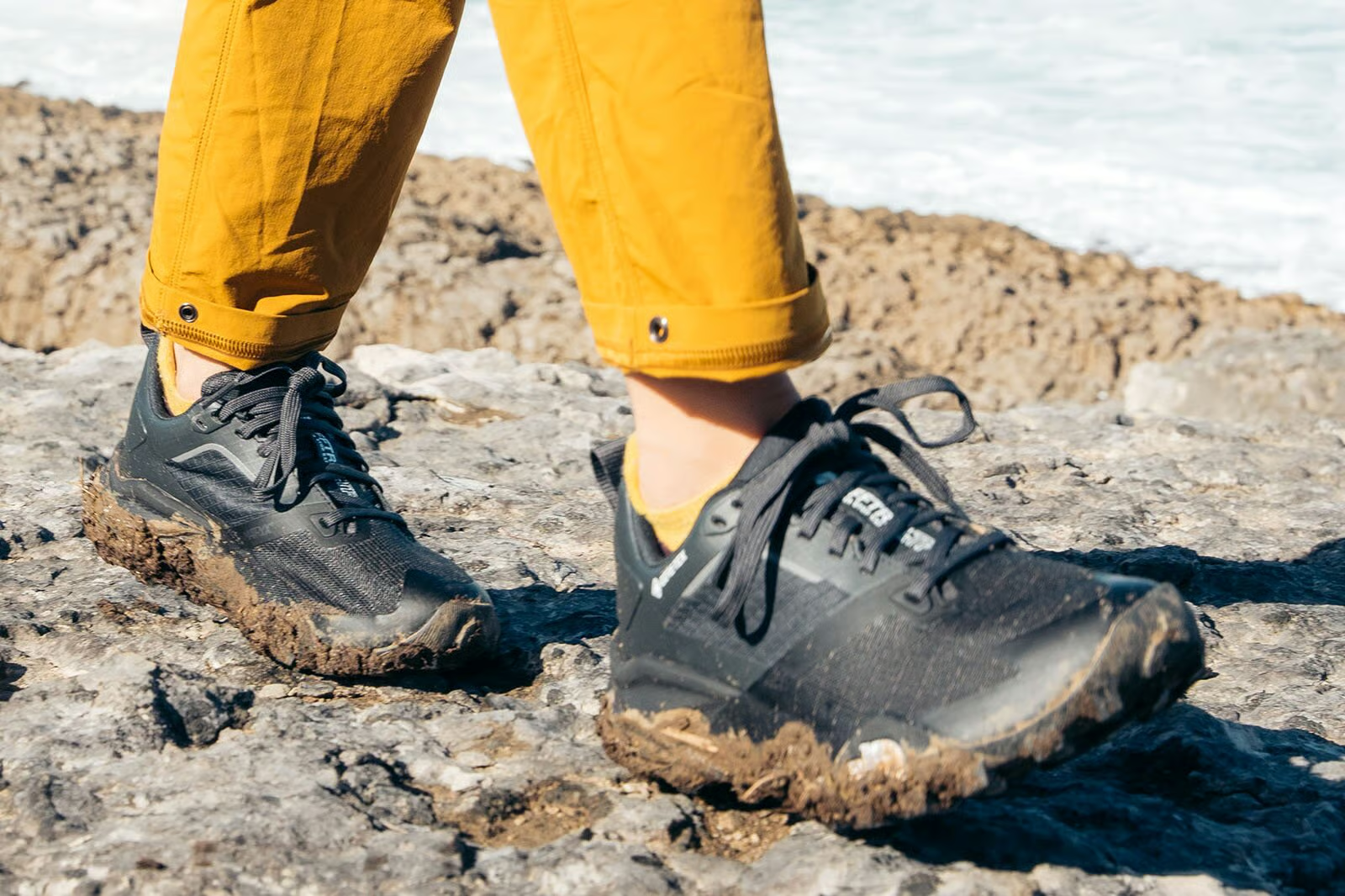





Fieldcraft, in its broadest sense, refers to the skills and techniques necessary for surviving, navigating, and thriving in the wilderness. Whether you’re an adventurer, a survivalist, a researcher, or simply a nature enthusiast, having an intimate understanding of the local flora and fauna is indispensable. It is not just about knowing what plants or animals exist in an area, but understanding how to use, avoid, or respect them in practical situations. This knowledge can make the difference between life and death in some scenarios, while in others, it enhances the experience of being in nature. In this article, we will explore why the study of local plants and animals is vital for effective fieldcraft.
1. The Importance of Survival and Resource Utilization
At the heart of fieldcraft lies survival. When stranded in the wilderness, knowledge of the local flora and fauna can provide life-saving solutions. In many situations, plants and animals are not just part of the landscape but can serve as essential resources.
Food Sources
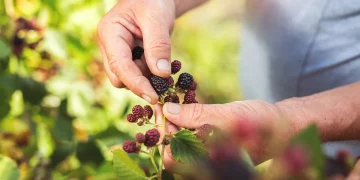
Local plants and animals often offer food sources that are critical in survival scenarios. While it’s obvious that animals can be hunted or trapped for protein, many plants are edible as well. Berries, tubers, seeds, and leaves can provide carbohydrates, vitamins, and minerals. However, not all plants are edible. In fact, some are poisonous or cause severe allergic reactions. Therefore, knowing which plants are safe to eat is crucial.
Take, for example, the starchy root of the cattail plant. It is a common plant found near water bodies in many regions and can be eaten raw or cooked. Its roots, shoots, and pollen can all be consumed, making it a versatile resource. However, the same habitat might also contain poisonous plants like poison ivy or water hemlock, which can lead to serious health issues or even death.
Animals, too, are rich sources of food. In the wild, an understanding of local species can help determine which animals are edible and which are dangerous. For instance, in certain regions, small mammals like rabbits, squirrels, and birds are common game, whereas others, like venomous snakes or amphibians, should be avoided unless absolutely necessary.
Medicinal Uses
Plants have long been utilized for their medicinal properties. Knowing which local plants have healing attributes is just as important as knowing which can sustain you. In times of injury or illness, knowledge of natural remedies can be invaluable. For example, willow bark, found in many parts of the world, contains salicylic acid, the precursor to aspirin, and can be used to relieve pain or reduce inflammation.
Similarly, many cultures have relied on plants for antibacterial properties. The antimicrobial effects of plants like garlic, yarrow, or the sap of certain trees can be used for wound care and infection prevention. In a remote environment where modern medical supplies are unavailable, such knowledge can be a critical asset.
Water Filtration
Water is another crucial resource that is often hard to come by in the wilderness. Many plants play a role in water filtration or can be used to help locate fresh water sources. The roots of certain plants can be used to filter water, while others like cacti or certain mosses are known to store water and can be tapped for hydration in dire situations. Knowing how to find clean drinking water in the wild can literally save your life.
2. Navigating and Orientation
Fieldcraft isn’t only about surviving—it also encompasses navigation and understanding the terrain around you. In this context, knowledge of local flora and fauna can help orientate and guide you in a variety of ways.
Environmental Indicators
Plants and animals can serve as natural indicators for various environmental factors. For instance, certain plant species thrive in specific soil types or climates. If you know which plants grow best in particular conditions, you can use this to deduce things like altitude, proximity to water, or the general direction of travel. In the case of migratory birds or seasonal patterns in local fauna, this information can provide insights into the time of year or the general climate trends.
Additionally, certain animals, like migratory birds or specific insects, follow predictable patterns and can help you determine your location relative to other landmarks. This knowledge can be crucial when navigating unfamiliar or uncharted territories.
Tracking Animals and Signs of Life
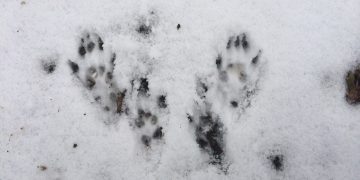
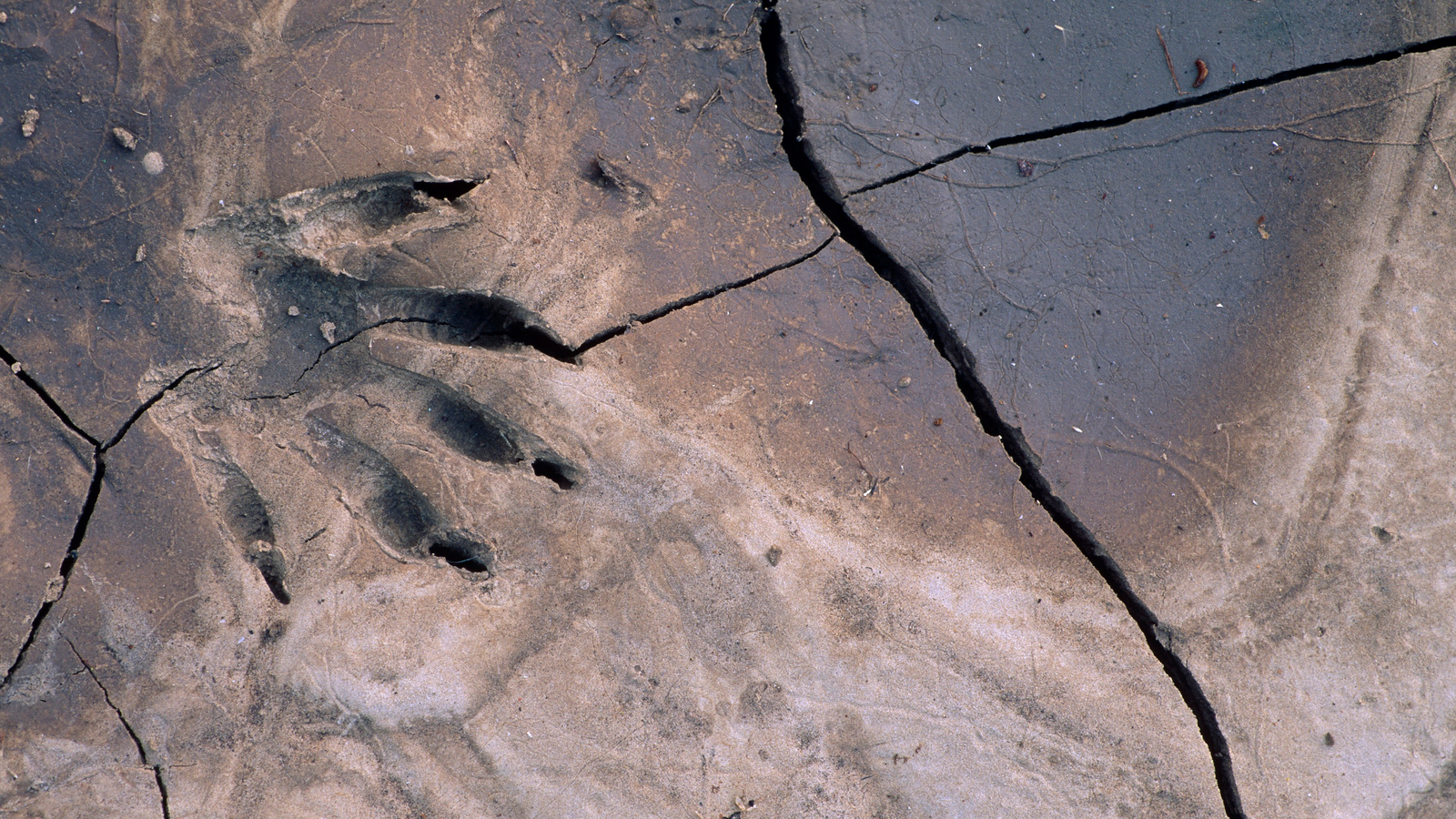
In the wilderness, being able to track and understand the movements of animals can give you clues about the geography, climate, and hazards of the environment. The tracks left by an animal, the signs of foraging, or the direction in which birds migrate can tell you a lot about the landscape you’re in.
For example, animal tracks can lead you to water sources or provide insight into the most commonly used trails or feeding areas. The presence of specific predators in an area can indicate the presence of prey, and knowing which animals hunt at what time of day can be an important part of planning your day or understanding the ecosystem around you.
3. Safety and Avoidance of Dangers
Understanding the local flora and fauna is not only important for survival and navigation but also for avoiding danger. Some plants and animals are inherently dangerous and can pose a serious threat to your safety if you don’t know how to identify them.
Poisonous Plants and Toxicity
Many plants in the wild can be toxic or cause severe reactions, from skin rashes to severe digestive problems. Poison ivy, poison oak, and poison sumac are famous for causing itching and rashes, but some plants can be much more deadly. Water hemlock, for example, contains toxins that can cause paralysis and death in a matter of hours. Even common wildflowers, like the deadly nightshade, can be mistaken for something edible.
:max_bytes(150000):strip_icc()/dandelion-d3efe842d32c4a5780d054d0c3ba11f0.jpg)
By understanding which plants are safe to touch, harvest, or consume, you can avoid potentially fatal mistakes. Many poisonous plants have distinguishing features, and learning to recognize them can drastically reduce the risk of accidental poisoning.
Dangerous Animals
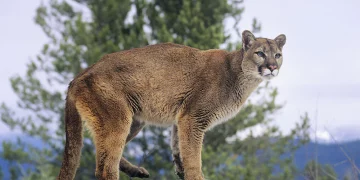
Local fauna can also be a source of danger. Venomous snakes, such as the rattlesnake or the cobra, are often found in certain environments. Insects like ticks and mosquitoes can transmit diseases like Lyme disease or malaria, while large predators like bears or wildcats can pose a more direct threat.
Familiarity with animal behavior can help you avoid dangerous encounters. For example, knowing that bears are most aggressive when protecting their cubs, or that certain snakes prefer to remain still when threatened, can help you avoid panic and handle a situation more effectively.
Insect and Parasite Control
Insects and parasites, while often overlooked, can be a significant source of discomfort and even illness. Knowing which insects carry diseases, how to prevent bites, and how to protect yourself from parasites can be just as important as knowing how to build a fire. For example, learning to identify ticks and properly remove them is crucial in areas where Lyme disease is common.
4. Cultural and Historical Significance
Beyond the practical applications of local flora and fauna, there is also a deep cultural and historical significance in understanding the plants and animals around you. Many indigenous cultures have a profound relationship with nature, and their knowledge of local species was passed down through generations.
For modern fieldcrafters, learning about these historical connections can enrich their experience and provide new insights. Local plants and animals might have cultural meanings, spiritual significance, or traditional uses that offer a deeper connection to the land and its people. Understanding these aspects can also foster greater respect for the environment and the ecosystems in which we live.
5. Building a Deeper Connection with Nature
Ultimately, knowledge of local flora and fauna deepens our relationship with the natural world. Understanding the intricate web of life, how plants and animals interact, and the cycles of the seasons fosters a sense of connection, respect, and responsibility. Fieldcraft is not just about survival; it is about thriving in harmony with the environment.
By becoming intimately familiar with the life forms around us, we can learn to coexist with them, rather than seeing them as mere obstacles or resources to exploit. This deeper connection can lead to a more enriching and sustainable relationship with the natural world.