







In the world of modern work culture, daily standups—brief, synchronized meetings often held to discuss progress, blockers, and plans—have become a staple of agile teams. But in an era of distributed teams, shifting work patterns, and the ongoing quest for productivity tools that streamline operations, one question arises: can Basecamp, a widely popular project management tool, replace your daily standups?
The idea of ditching daily standups for a more asynchronous, technology-driven approach might sound intriguing, especially when considering the costs of time, energy, and focus that traditional standups often incur. However, before making the leap, it’s essential to examine both the benefits and limitations of Basecamp in this context. This article dives deep into the intricacies of Basecamp, comparing its features with the benefits of daily standups, and ultimately asking whether Basecamp can genuinely replace the need for these meetings.
The Daily Standup Dilemma
What Are Daily Standups?
The daily standup is a key practice within the agile methodology, which is popular among software development teams. During these short, focused meetings, typically no longer than 15 minutes, team members quickly share what they’ve worked on, what they’re working on, and any roadblocks they face. The goal is to ensure that the entire team is aligned, and to identify potential issues early so that the team can stay on track.
However, while standups are highly effective in some scenarios, they come with a number of drawbacks:
- Time Drain: Even though standups are intended to be brief, they often stretch out or become repetitive, causing time to be wasted.
- Interrupting Flow: For teams that operate in different time zones or with flexible schedules, stopping the flow of work for a standup can break concentration and reduce productivity.
- Lack of Depth: The brevity of standups may not allow for meaningful discussions, leaving unresolved issues unaddressed or problems overlooked.
Despite these drawbacks, daily standups remain a core component of many agile teams’ routines. The next question is whether technology—specifically a platform like Basecamp—can solve these problems by providing an alternative solution.
Enter Basecamp: The Project Management Powerhouse
Basecamp is a versatile project management and team collaboration tool that facilitates communication, task management, file sharing, and much more. It’s designed to help teams stay organized, communicate effectively, and streamline workflows. Basecamp has earned its reputation for simplicity, with a clean interface and a strong focus on reducing unnecessary complexity in team communication.
Core Features of Basecamp
- Message Boards: A place to post updates, share ideas, and engage in threaded discussions.
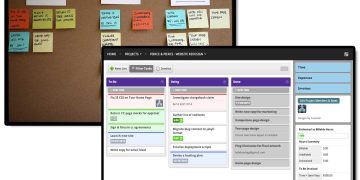
- To-Do Lists: Allows for task delegation, organization, and tracking.
- Docs & Files: A central repository to store important documents, ensuring everyone has access to the latest information.
- Campfire: A real-time chat feature where teams can have informal conversations and quick check-ins.
- Automatic Check-ins: A tool that allows team members to answer predefined questions asynchronously, replacing the real-time aspect of standups.
How Basecamp’s Features Compare to Daily Standups
Now that we have a clearer picture of what Basecamp offers, let’s explore how its features could potentially replace daily standups.

1. Message Boards vs. Standup Discussion
Basecamp’s Message Boards allow teams to post updates, share progress, and ask questions. In a sense, this mirrors the primary function of a daily standup: sharing progress. The advantage here is that team members can post updates at any time, eliminating the need to coordinate schedules across time zones or interrupt workflows. Since these posts are asynchronous, the team can engage in more thoughtful, detailed responses without the pressure of time constraints.
In a traditional standup, participants are limited to a 15-minute window, and often, they skim over issues without diving into meaningful conversations. Basecamp’s message board allows for richer, more detailed discussions over a longer period. Team members can take time to think through problems and provide considered feedback.
2. Automatic Check-ins vs. Real-Time Status Updates
Basecamp’s Automatic Check-ins feature can be particularly useful for replacing standups. Instead of gathering everyone for a synchronous meeting, each team member can respond to custom questions (e.g., “What did you work on yesterday?” and “What obstacles are you facing?”) at their convenience. This provides a structured and consistent way to collect daily updates without disrupting the flow of work.
For many teams, the value of standups is simply getting a pulse check on what everyone is working on. Basecamp’s check-ins can effectively replace this, while also allowing for more flexibility and convenience, especially for remote teams or those working across multiple time zones.
3. To-Do Lists vs. Task Assignments in Standups
In standups, team members often discuss what tasks they’ve completed and what they plan to tackle next. Basecamp’s To-Do Lists provide a centralized space for assigning tasks, tracking progress, and setting deadlines. By using Basecamp’s to-do lists in combination with Automatic Check-ins, teams can maintain a clear understanding of who is doing what and when, without needing to reconvene every day to discuss it.
This also adds an element of accountability, as tasks are documented and tracked in the system, providing both the individual and the team with a transparent view of progress.
4. Campfire Chat vs. Quick Updates
Basecamp’s Campfire chat feature allows for real-time communication, similar to the informal part of a standup where team members might ask quick questions or provide brief updates. While it’s not a direct replacement for the structured nature of a standup, it does allow for a continuous flow of information and provides a space for team members to chat informally. This helps foster communication without the formality or rigidity of a daily standup.
Additionally, Campfire can be used for cross-functional team interactions, allowing different departments to quickly check in on one another without needing to organize separate meetings.
Benefits of Using Basecamp Instead of Daily Standups
1. Reduced Time Wastage
One of the primary reasons teams choose Basecamp over daily standups is the reduction in time wastage. Daily standups, while short, are still a recurring event that takes up time each day. With Basecamp, team members can contribute their updates whenever it’s convenient for them, freeing up time that would have been spent in a meeting.
2. Greater Flexibility for Remote Teams

For distributed teams that span multiple time zones, organizing synchronous daily standups can be a logistical nightmare. Some team members may need to wake up early, while others might have to stay late just to align with the meeting time. Basecamp’s asynchronous nature eliminates this issue, as everyone can contribute on their own schedule.
3. Better Focus on Work
Basecamp’s system doesn’t interrupt the flow of work the way standups can. Instead of having to stop what you’re doing and focus on the meeting, team members can simply check in when it suits them, allowing for less disruption and more time for deep work.
4. Less Pressure to Perform
Daily standups, particularly in a larger team, can sometimes feel like a performance, where team members feel pressured to provide updates, even if they haven’t made significant progress. Basecamp’s automatic check-ins reduce this pressure, allowing team members to give more honest, low-pressure updates.
5. Detailed, Documented Progress
Basecamp creates a centralized record of team progress. Rather than relying on ephemeral standup conversations, teams can refer back to previous check-ins, conversations, and to-do lists. This allows for better tracking of progress over time, and a deeper understanding of the challenges each team member is facing.
When Basecamp Can’t Fully Replace Daily Standups
Despite its many advantages, Basecamp has limitations. Here are some scenarios where traditional standups may still be irreplaceable:
1. The Need for Real-Time Collaboration
While Basecamp facilitates asynchronous communication, it may fall short when quick, real-time collaboration is required. Standups provide a space for immediate feedback and interaction, and in some cases, the urgency of live conversation can’t be replaced by posts or chat messages.
2. Team Bonding and Morale
Standups aren’t just about progress updates; they also serve as a way to connect with teammates. For some teams, the personal connection made during standups helps build camaraderie and strengthens relationships. Basecamp’s asynchronous approach may not provide the same sense of team bonding.
3. Spontaneous Problem Solving
During daily standups, unexpected issues or blockers often come up, which can then lead to spontaneous problem-solving. This live interaction can be hard to replicate in Basecamp, where questions and solutions may be more delayed and less dynamic.
4. Team Dynamics
Some teams thrive on the structured, ritualistic nature of standups. These short meetings help some individuals stay focused and on track, while others may benefit from the accountability that comes with the pressure of speaking up in a live meeting. Basecamp’s flexibility, while beneficial for many, might not suit every team’s dynamics.
Conclusion: Can Basecamp Replace Your Daily Standups?
Basecamp offers an effective solution for replacing daily standups, particularly for teams that need a more flexible, asynchronous approach to communication. Its features, such as Automatic Check-ins, Message Boards, and To-Do Lists, allow teams to stay aligned without the need for daily meetings. This can be particularly beneficial for remote teams, those working in different time zones, or teams that want to optimize their time and productivity.
However, it’s not a one-size-fits-all solution. Teams that rely on real-time collaboration, spontaneous problem-solving, or strong interpersonal connections may find that daily standups still have a valuable place in their routines.
Ultimately, the decision to replace daily standups with Basecamp depends on the specific needs of your team. While Basecamp can certainly streamline communication and reduce time spent in meetings, it’s important to weigh its strengths and limitations against your team’s culture and workflow.