







In the fast-paced world of project management tools, Basecamp stands out as a favorite among small businesses, startups, and even established companies looking for a streamlined, no-fuss solution. Basecamp’s appeal lies in its minimalist design, clear interface, and a focus on core features that help teams stay organized without drowning in complexity. However, one question frequently arises: Does Basecamp’s dedication to simplicity mean that it lacks the advanced features that larger teams or more intricate projects might require?
This article takes a deep dive into this question, exploring Basecamp’s simplicity, its core functionality, and how it stacks up against other, more feature-rich project management tools. We’ll examine how Basecamp strikes a balance between keeping things simple while still offering enough to meet the needs of teams across a variety of industries. Additionally, we’ll discuss the trade-offs you might encounter when choosing Basecamp for more complex project management needs.
The Allure of Simplicity
A User-Friendly Interface
Basecamp’s simplicity starts with its user interface. Unlike many other project management tools that overwhelm users with a barrage of options and settings, Basecamp provides a clean, easy-to-navigate interface. New users can quickly understand how to create tasks, assign them to team members, and track progress, without needing hours of training.
This simplicity is intentional. Basecamp’s creators, led by Jason Fried and David Heinemeier Hansson, have long championed the idea that software should help people focus on their work, not get in the way with unnecessary complexity. Their motto? “Work doesn’t have to be complicated.” And Basecamp’s interface reflects this philosophy—there’s no need for endless customization or convoluted workflows to get things done.
Basecamp’s layout is divided into clear, easy-to-understand sections: To-dos, Messages, Docs & Files, Schedule, Campfire (team chat), and Automatic Check-ins. This modular setup ensures that every aspect of a project has its own space, without cluttering the user’s view with options that don’t apply to their current task.
Core Features at Its Heart
At its core, Basecamp offers a suite of tools designed to make collaboration smooth and efficient, without excess. These tools cover most of what a project team needs to work effectively:
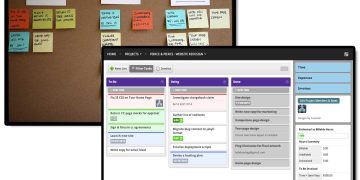
- To-dos: Simple, straightforward task management. You can assign tasks, set deadlines, and create checklists. The to-do list is not complex, but it’s versatile enough to handle the needs of small and medium-sized teams.
- Messages: Basecamp’s message boards provide a space for team discussions, announcements, and feedback. This feature keeps everything related to a project in one place, removing the need for long email threads.
- Docs & Files: File storage and document sharing are central to project management. Basecamp allows you to upload and organize documents with ease. These files are automatically linked to specific projects or tasks, making it easy to find relevant information when needed.
- Schedule: Basecamp includes a simple calendar tool to schedule and track events, milestones, and deadlines. While not as advanced as those found in dedicated scheduling software, it meets the needs of teams that require basic timeline management.
- Campfire: The integrated chat feature offers real-time communication, enabling teams to stay in sync without having to juggle multiple platforms. It’s an excellent alternative to Slack for teams that prefer fewer tools.
- Automatic Check-ins: A standout feature of Basecamp is its automatic check-ins. These allow managers or team leads to set up recurring questions that team members respond to regularly, fostering accountability and transparency without additional meetings.

The Power of Minimalism
The core appeal of Basecamp’s simplicity is that it does only what’s necessary. There are no convoluted features that users might never need. No bloated options for niche functionalities. For small teams or companies with simple project management needs, this minimalist approach is a major advantage. It allows team members to focus on their work rather than learning a myriad of features and options that don’t add value.
But is this focus on simplicity a limitation? Does it sacrifice advanced functionality for the sake of ease?
Advanced Features: Does Basecamp Lack Them?
It’s essential to acknowledge that “advanced features” means different things to different people. For some, advanced features might be the ability to set up custom workflows, create intricate reports, or manage large-scale resources across multiple teams. For others, it might simply mean more options to integrate with third-party tools or the ability to track detailed analytics.
While Basecamp might not be as feature-packed as other project management platforms like Jira, Monday.com, or Asana, it doesn’t mean that it is entirely without advanced features. The following sections will break down the areas where Basecamp either falls short or excels in terms of advanced project management needs.
Customization and Flexibility
One of the most significant limitations of Basecamp, when compared to more feature-rich competitors, is its lack of advanced customization options. Many project management platforms allow users to customize workflows, create custom fields, or tweak notifications to suit very specific needs. Basecamp, on the other hand, is designed to be simple, which means you can’t extensively customize the platform to your exact preferences.
While this can be seen as a disadvantage for large teams or complex projects, it also aligns with Basecamp’s guiding philosophy: simplicity over complexity. For small to medium-sized teams that don’t need a high degree of customization, this lack of deep flexibility might not be an issue at all. In fact, it can be seen as a strength—it reduces the chances of users becoming bogged down by options they don’t need or won’t use.
Project Analytics and Reporting
Another area where Basecamp’s simplicity might fall short for more advanced users is its limited reporting and analytics features. While Basecamp allows for basic task tracking, there’s no built-in way to generate detailed reports on project progress, team performance, or resource allocation.
For teams working on large, multi-faceted projects, this can be a significant drawback. Projects with tight deadlines, large budgets, and complex workflows often require detailed analytics to monitor progress and make informed decisions. In comparison, platforms like Monday.com and Jira offer a wide range of reporting tools and analytics dashboards that allow project managers to gain deeper insights into team performance.
However, Basecamp offers integrations with third-party tools such as Zapier, which can help users pull data into external reporting platforms. This way, even if Basecamp’s native reporting isn’t extensive, users can still access detailed reports with a little external effort.
Advanced Collaboration Tools
Basecamp’s collaboration tools are designed to keep communication simple and effective. The Campfire chat feature is great for informal discussions, and the Message Boards are ideal for structured, asynchronous communication. However, Basecamp lacks more advanced collaboration features like threaded comments, @mentions within tasks, or live video conferencing.
This simplicity works well for teams that primarily communicate via written messages and aren’t heavily dependent on synchronous collaboration. For teams that require live interactions or deeper integrations between communication and tasks (such as in remote teams using tools like Slack, Zoom, or Microsoft Teams), Basecamp might not provide the depth of collaboration features they need.
Integration with Other Tools
Basecamp’s ability to integrate with other tools is somewhat limited compared to its competitors. While it supports some integrations, including Google Drive, Trello, and Slack, it doesn’t offer the same extensive set of integrations found in platforms like Asana or Jira. This can be a limitation for larger teams or companies that rely on a variety of tools for different parts of their operations.
However, many users find Basecamp’s built-in tools sufficient for their needs, which is why it continues to be a favorite for smaller teams that don’t rely on complex integrations. For users who need more connections with other apps, Basecamp’s partnership with Zapier can fill in the gaps, enabling integration with hundreds of other services.
Balancing Simplicity and Advanced Features
Despite some limitations in areas like customization, reporting, and integrations, Basecamp’s focus on simplicity doesn’t mean it’s incapable of handling complex projects. For smaller teams or organizations with straightforward project management needs, Basecamp provides all the necessary tools to stay organized and work collaboratively. It’s simple, yet powerful.
That said, Basecamp might not be the right choice for every team. For large enterprises or teams handling highly complex projects, platforms like Jira or Monday.com might be better suited, thanks to their deep functionality and customization options. However, for those looking to maintain a balance between simplicity and functionality, Basecamp offers a solid middle ground, offering enough advanced features without the bloat of other tools.
Basecamp’s Advantage: Focused Teamwork Over Complexity
Ultimately, Basecamp’s simplicity means that users can focus on the work itself, not on managing a complex system. For most teams, this focus is exactly what they need. Basecamp’s core tools—tasks, messages, files, schedules, and chat—are often all a small or medium-sized team needs to stay productive. By minimizing distractions and reducing the complexity of the interface, Basecamp ensures that teams can focus on what truly matters: collaboration and progress.
While Basecamp may not cater to every need, it fulfills its role with clarity and elegance, and its simplicity is, in many ways, its greatest strength.
Conclusion
In summary, Basecamp’s focus on simplicity does not equate to a lack of advanced features. Rather, it represents a strategic decision to provide a streamlined, no-frills tool that meets the essential needs of most project teams. For organizations that require a higher level of customization, deep reporting, or advanced integrations, Basecamp might not be the best fit. However, for many teams, its clean interface and straightforward features provide everything they need to work effectively, and its lack of complexity can be a major asset.