






Building a campfire is an essential skill for any outdoor enthusiast. A good fire can provide warmth, light, a place to cook, and a sense of comfort in the wilderness. But what separates a fleeting flame from a fire that burns bright and steady throughout the night? The secret lies in technique, preparation, and understanding the science of fire. Here’s everything you need to know about building a campfire that stands the test of time.
The Basics of Fire Building
Before diving into the advanced tips for a long-lasting campfire, let’s review the basics of fire.
A campfire needs three key elements to ignite and sustain:
- Heat – The temperature must be high enough to ignite the fuel.
- Oxygen – Fire needs oxygen to continue burning.
- Fuel – You need dry wood, kindling, and tinder.
This combination of heat, oxygen, and fuel is often referred to as the “fire triangle.” Without one of these elements, your fire will struggle to ignite or burn out too quickly.
Step 1: Choose the Right Location
The foundation of any good fire starts with location. A bad spot can result in a fire that’s difficult to manage or even dangerous.
Tips for Selecting the Best Spot:
- Flat Ground: Find a flat, dry area away from overhanging branches, tall grass, and other potential fire hazards.
- Wind Protection: Wind can cause a fire to spread uncontrollably. Build your fire in a sheltered spot, such as a fire pit or behind natural windbreaks like rocks.
- Safety First: Make sure you’re following local regulations and building your fire in a designated area. Many parks have fire rings to keep your fire contained.
Step 2: Gather the Right Fuel
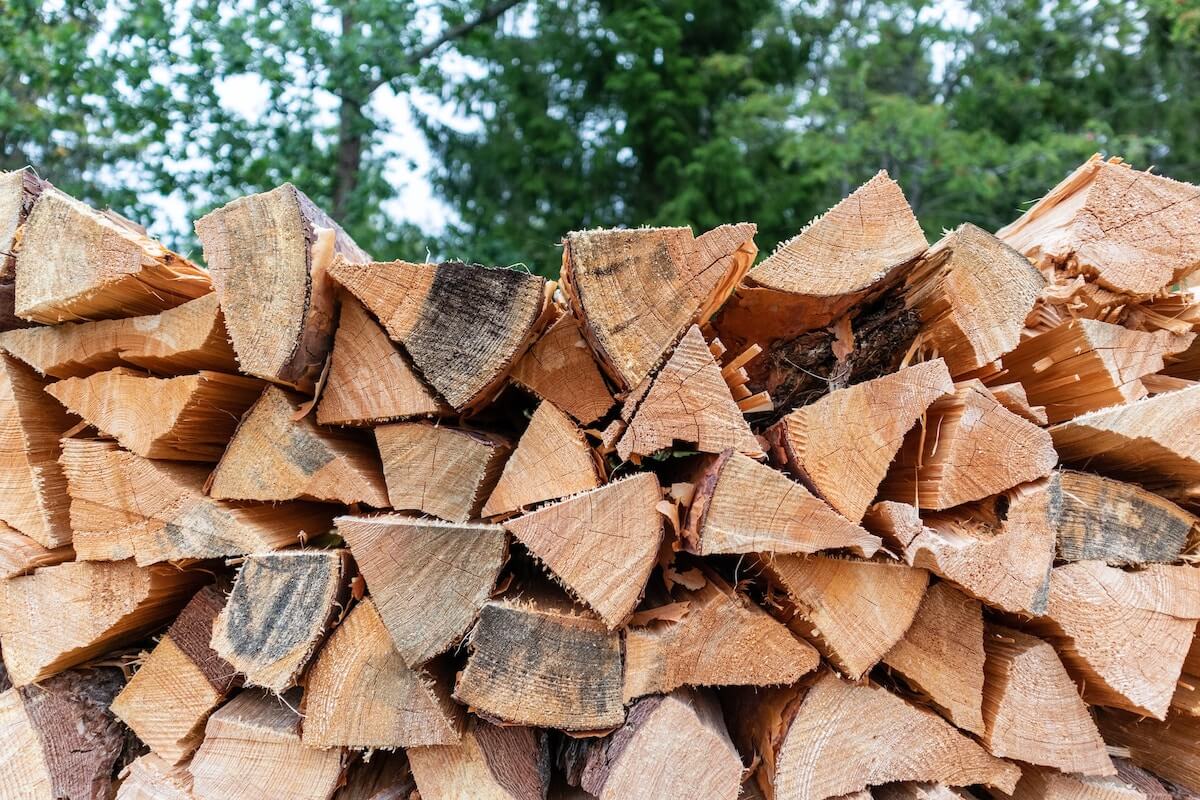
A long-lasting campfire needs a variety of fuel types, each serving a unique purpose. Generally, fuel for a campfire is broken into three categories: tinder, kindling, and firewood.
- Tinder (the starter fuel):
- What It Is: Tinder is the small, highly flammable material that catches the spark from a match or lighter and begins the ignition process.
- Examples: Dry leaves, small twigs, paper, or cotton balls soaked in petroleum jelly. For a more sustainable option, use natural items like dry pine needles or bark.
- Kindling (the intermediate fuel):
- What It Is: Kindling is slightly larger, easily ignitable material that continues the fire once the tinder has burned away.
- Examples: Small, dry sticks or twigs—usually no larger than your pinky finger in diameter.
- Firewood (the main fuel source):
- What It Is: Firewood is the larger, thicker wood that sustains your fire for a longer period.
- Examples: Logs that are about 2-4 inches in diameter. Hardwoods like oak, hickory, and maple burn longer and hotter, while softwoods like pine catch fire quickly but burn out faster.
Pro Tip: The key to a long-lasting fire is choosing dry fuel. Wet or green wood will not burn well and will produce a lot of smoke.
Step 3: Build the Fire Structure
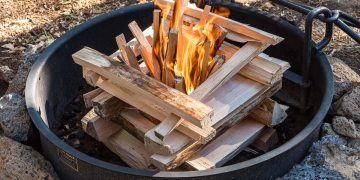
The structure of your fire is crucial for its longevity and efficiency. There are several common fire structures, each designed to promote steady combustion and optimal air flow. The most popular ones are the teepee, log cabin, and star.
The Teepee
- How It Works: Arrange your tinder in the center and build a cone of kindling around it. Then, add larger firewood in a teepee shape, leaning it against the kindling and ensuring air can flow between the logs.
- Why It’s Great: The teepee is one of the best structures for a fast-starting fire, allowing the flames to rise and ignite the kindling quickly. It also encourages upward heat flow, which is ideal for cooking and warming yourself.
The Log Cabin
- How It Works: Start with a small teepee in the center. Then, place larger pieces of wood around the teepee, arranging them in a square or rectangular pattern, similar to a log cabin’s structure. As the fire burns down, add more logs on top to maintain the fire.
- Why It’s Great: This method allows for a more stable fire that burns for a long time. The log cabin structure promotes good airflow, which helps the fire burn evenly.
The Star
- How It Works: Lay large pieces of firewood on the ground in a star pattern, radiating out from the center. Start the fire in the center using tinder and kindling.
- Why It’s Great: The star structure is great for maintaining a long-lasting fire. The large logs create a stable base, while the open center allows for excellent air circulation.
Step 4: Control the Airflow
Airflow is essential for a long-lasting fire. Without enough oxygen, your fire will smolder and eventually go out. To control the airflow, ensure that the logs are arranged loosely enough to allow air to circulate freely between them.
If your fire starts to die down, you can feed it more oxygen by gently blowing on the base or using a fire starter tool to encourage airflow.
Pro Tip: Don’t overcrowd your fire with too much wood at once. This can suffocate it and prevent the flames from rising. Instead, add wood gradually as the fire burns down.
Step 5: Maintain the Fire
A long-lasting fire requires constant attention. Don’t just light it and walk away; instead, keep the fire well-fed with fuel, and adjust the structure as needed. Here are some tips for maintaining the heat:
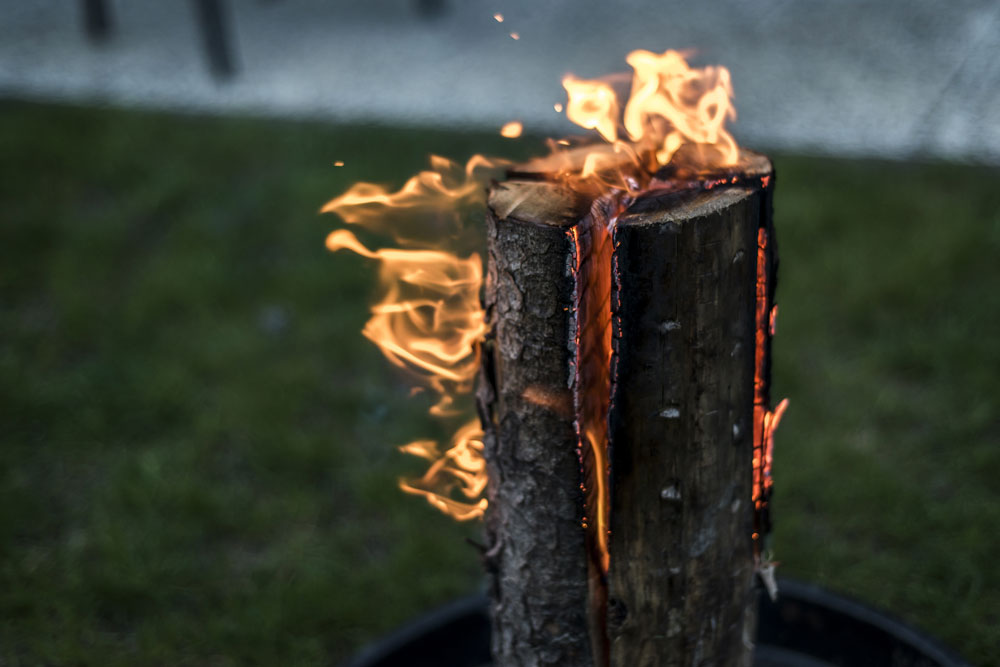
- Add Wood Slowly: When the flames start to die down, feed the fire with additional logs. Adding too much wood at once will cause the fire to smother.
- Move the Logs: Occasionally adjust the logs to maintain a consistent burn. If one side of the fire starts to die, shift the logs to ensure an even burn.
- Use a Poker: Use a fire poker or stick to move the logs around. This helps the fire maintain a consistent temperature and ensures all parts of the fire are burning effectively.
Step 6: Extinguish the Fire Properly
When it’s time to extinguish your fire, don’t just let it burn out. A proper and safe extinguishing process is critical, especially in wilderness areas where unattended fires can pose a fire hazard.
Steps to Safely Put Out a Campfire:
- Let It Burn Down: Allow the fire to burn down to ash if possible.
- Use Water: Pour water over the fire to douse it completely. Make sure you pour it slowly and steadily, so the fire doesn’t reignite.
- Stir the Ashes: Use a stick or a shovel to stir the ashes and ensure all embers are extinguished. If you hear any crackling, add more water.
- Touch Test: Finally, check the ashes with the back of your hand to make sure there’s no heat remaining. The ground should be cool to the touch.
Extra Tips for a Long-Lasting Campfire
- Keep Firewood Handy: Store dry wood in an accessible spot, so you don’t need to leave the fire unattended for long periods.
- Use Hardwoods: If you have access to hardwoods like oak, hickory, or ash, use them as your primary firewood. They burn slower and hotter, making them perfect for sustaining a long-lasting campfire.
- Avoid Wet Wood: If your firewood is damp, it will produce smoke and not burn efficiently. Always try to gather wood that’s as dry as possible.
- Wind Conditions: If the wind picks up, use rocks or logs to create a windbreak around your fire. This will protect the flames and maintain consistent heat.
Conclusion
Building a long-lasting campfire is an art that requires attention to detail, patience, and a bit of practice. By selecting the right location, gathering the proper fuel, constructing a well-structured fire, and maintaining airflow, you can ensure that your campfire will burn bright and steady throughout the night.
Whether you’re cooking over the flames, staying warm on a chilly night, or simply enjoying the ambiance, knowing how to build and sustain a fire will enhance your camping experience and keep you safe in the wild.