







Introduction:
In the last few decades, the idea of space colonization has shifted from the realm of science fiction to a tangible goal, with major players in both the government and private sectors pushing forward ambitious plans to establish human settlements beyond Earth. Space pioneers like Elon Musk’s SpaceX, Jeff Bezos’s Blue Origin, and other space agencies, alongside cutting-edge technologies, suggest that the dream of colonizing distant planets might not be as far off as we think. But is this just a pipe dream, or are we truly on the verge of a new era in human expansion?
The Allure of Space Colonization: Why It Captures Our Imagination
Humanity has always looked up to the stars, dreaming of what lies beyond. The concept of colonizing space has fueled imaginations for centuries, from the early theories of astronomers like Johannes Kepler to the vivid depictions in popular culture such as Star Trek, The Martian, and Interstellar.
The attraction of space colonization is twofold: the survival instinct and the curiosity to explore. In a world facing climate change, overpopulation, and resource depletion, space offers a potential escape—an opportunity to ensure the continuation of humanity in case of global catastrophe. Mars, with its similar day-night cycle and the promise of a potential terraforming project, is often seen as the most viable option for colonization.
The Technological Hurdles: Building a Spacefaring Civilization
While the allure is strong, the technological barriers to colonizing space are immense. Here are some of the most significant obstacles:
1. Transporting Humans and Cargo:
Currently, space travel remains a costly and dangerous endeavor. Even with the reusable rockets pioneered by SpaceX, the cost of launching a spacecraft into orbit is prohibitively high. A round-trip to Mars could cost billions of dollars and take upwards of 18 months in the best-case scenario. Even with innovations in propulsion, such as ion drives or nuclear fusion, we are still years, if not decades, away from achieving cost-effective, efficient space travel.
2. Sustaining Human Life in Space:
The harsh realities of space come with many dangers. Microgravity can lead to bone density loss, muscle atrophy, and fluid shifts in the body. Without gravity, the human body struggles to maintain basic physiological functions. Long-duration space missions, such as those to Mars, would require the development of life support systems capable of providing oxygen, water, and food for extended periods—systems that don’t exist yet on the scale needed for a full colony.
3. Space Radiation:
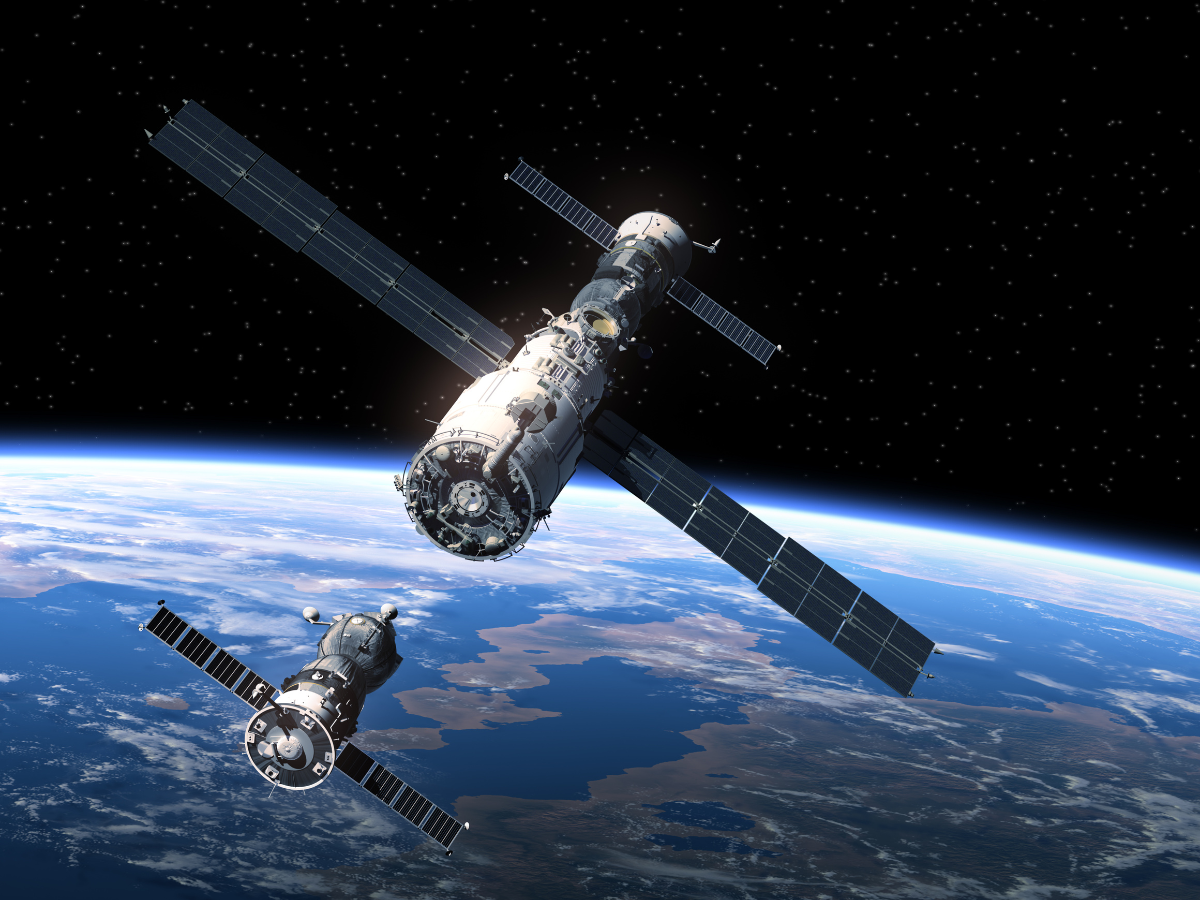
Space is filled with deadly radiation from the sun and cosmic rays. Earth’s atmosphere and magnetic field protect us from these harmful rays, but once outside of this protective bubble, astronauts are exposed to radiation that can lead to cancer, genetic mutations, and other long-term health issues. Shielding is needed, but materials strong enough to protect humans from these rays would add significant weight to spacecraft, making space travel even more expensive and complex.
4. Establishing Self-Sustaining Habitats:
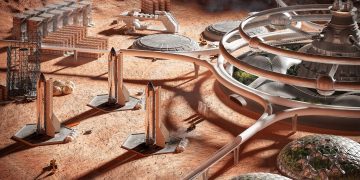
Once humans arrive on another planet, they would need to live in habitats that protect them from the environment. Mars, for example, has a thin atmosphere, temperatures that can dip as low as -125°C, and frequent dust storms. Building habitats that can protect colonists from the extreme temperatures and radiation is an engineering challenge. Moreover, the habitat would need to support life, providing oxygen, food, and waste recycling systems. The creation of a closed-loop ecosystem that mimics Earth’s is an ambitious goal that has yet to be achieved at scale.
The Political and Economic Challenges
Colonizing space also presents significant political and economic challenges. Space law is a developing field, and issues surrounding ownership of extraterrestrial land and resources are far from settled. If private companies or nations begin to stake claims on celestial bodies like Mars or asteroids, how will international relations be affected? The potential for conflict is high, as no legal framework currently exists to govern the colonization of other planets.
The economic reality of space colonization is also daunting. While private companies have driven down costs and opened up new opportunities for space travel, the investment required to establish a colony on Mars or beyond will be astronomical. Governments and private entities would need to make enormous, long-term investments. The scale of the project is so vast that the economic feasibility remains uncertain. The return on investment would likely take centuries, which might deter many from pursuing such a monumental venture.
The Role of AI and Robotics in Space Colonization
While sending humans to Mars is a monumental task, sending robots and AI could be a more immediate solution. Robots have already been instrumental in exploring other planets through missions like NASA’s Perseverance rover on Mars. In the coming decades, robotic technology could pave the way for space colonization by setting up infrastructure before humans arrive. These robots could mine resources, build habitats, and even produce food or oxygen from local materials, reducing the need for expensive supplies sent from Earth.
Additionally, AI systems could be used to monitor health, oversee resource management, and make decisions autonomously when communication with Earth is delayed. These technologies will be essential in the early stages of colonization, where human presence might be limited.
Ethical Considerations: Should We Colonize Space?
Beyond the technical and financial challenges, space colonization raises profound ethical questions. If humanity is to spread out across the cosmos, should we do so with the same care and respect that we aim to use in protecting the environment on Earth?
The idea of colonizing Mars, for instance, has sparked concerns about the possibility of contaminating alien ecosystems—if they exist—through human activity. The principles of planetary protection have been adopted by space agencies to avoid bringing Earth-based microbes to other planets, but the potential for human settlers to disrupt extraterrestrial ecosystems, even unintentionally, is a real concern.
Additionally, there is the question of whether space colonization is an appropriate solution to Earth’s problems. Rather than using vast resources to terraform a planet millions of miles away, should we be focusing on solving the issues here on Earth, such as climate change, inequality, and poverty? Some argue that the obsession with space exploration diverts attention and funding from more pressing concerns on our home planet.
The Optimistic View: Why Space Colonization Might Be Possible
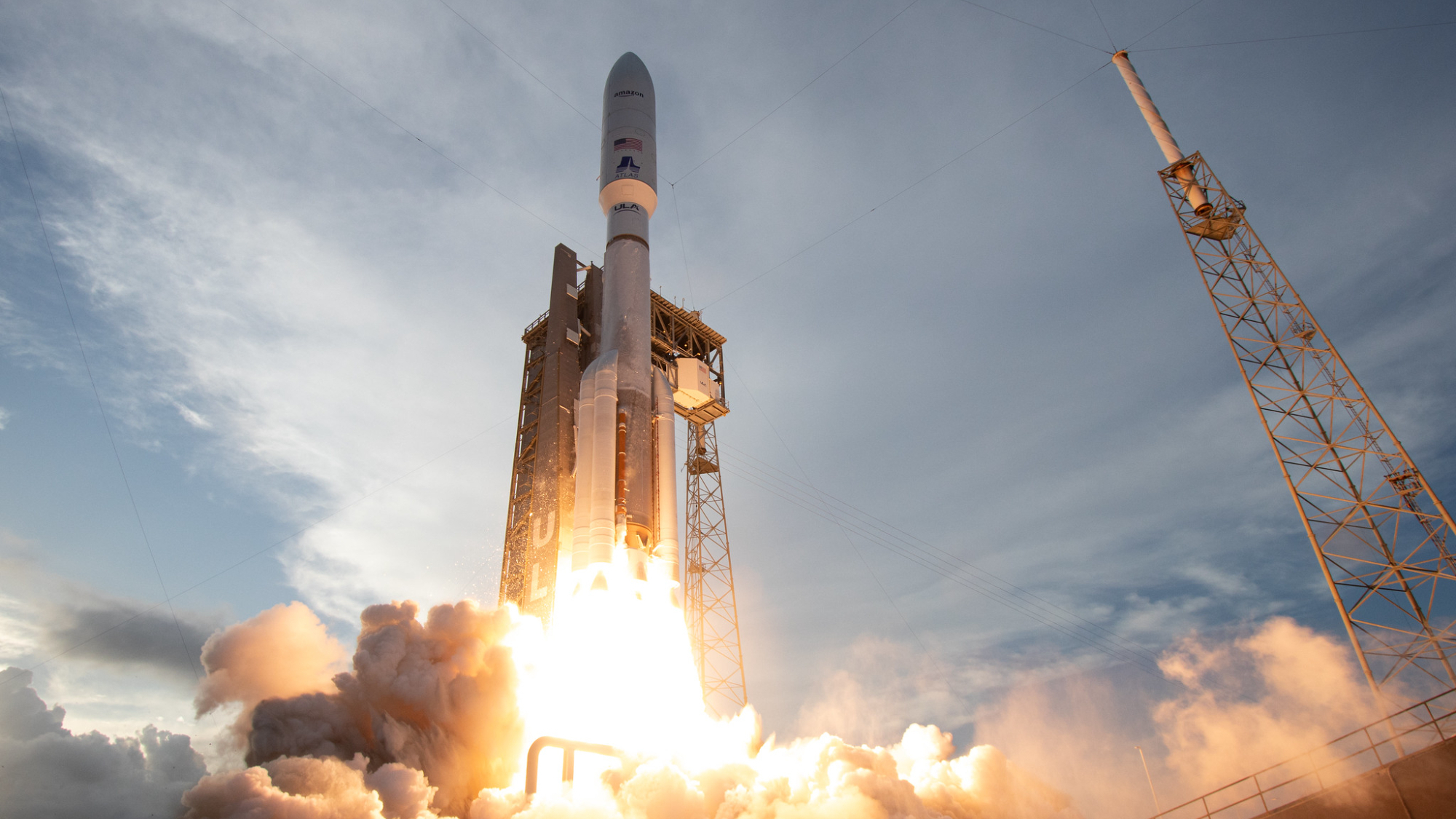
Despite the significant obstacles, many experts remain optimistic about the potential for space colonization. Technological advancements are being made every day. Companies like SpaceX are already launching satellites, and plans for reusable rockets have lowered the cost of space travel. NASA’s Artemis program aims to return humans to the Moon and establish a permanent presence there, which could serve as a stepping stone for missions to Mars and beyond.
The development of new propulsion technologies, like nuclear thermal or electric propulsion, may make interplanetary travel faster and more affordable. Additionally, the growing interest in asteroid mining could provide the resources necessary to build infrastructure in space, reducing the dependence on Earth’s resources.
Human ingenuity and the drive to explore new frontiers have always been central to our species’ progress. As technology continues to advance, the dream of space colonization becomes increasingly achievable. Just as humans once believed the Earth was the center of the universe, space colonization may one day be seen as a fundamental step in humanity’s expansion.
Conclusion: Is Space Colonization Just a Pipe Dream?
Space colonization is a monumental challenge, fraught with technical, financial, and ethical issues. While the dream of establishing permanent colonies on other planets may seem far-fetched, the progress made in space exploration over the past few decades cannot be ignored. Whether it’s a dream or a reality depends on our ability to overcome the many obstacles that remain. However, one thing is clear: humanity’s desire to explore and settle the stars is not a passing fancy—it is an enduring ambition that will continue to inspire innovation and discovery.
As we move forward, the dream of space colonization may evolve into a reality, one small step at a time, transforming from a pipe dream into the future of human civilization.