








In an era where environmental challenges are accelerating at an unprecedented pace, the way nations and policymakers respond to these crises is being shaped by both immediate and long-term environmental horizons. These horizons—spanning from short-term ecological concerns to far-reaching sustainability goals—serve as crucial guides in the development of global policy. From climate change and biodiversity loss to resource depletion and pollution, the scope of environmental challenges demands policy frameworks that are both adaptive and visionary. This article explores how the evolving environmental horizons influence global policy, focusing on both immediate actions and the long-term strategies that guide international cooperation.
Understanding Environmental Horizons
Environmental horizons can be defined as the range of time and space within which environmental issues are addressed and considered. These horizons range from immediate environmental crises—like a sudden oil spill or a deforestation event—to long-term, generational goals such as the restoration of ecosystems or the stabilization of the global climate. The span of these horizons directly impacts the policy decisions that are made at the local, national, and global levels.
In many cases, global environmental policy is formulated at the intersection of short-term reactive needs and long-term proactive measures. Immediate challenges often require urgent responses, while longer-term solutions may require systemic changes that unfold over decades or even centuries. Understanding the interplay between these timelines is crucial for crafting effective environmental policies.
Immediate Environmental Crises: Short-Term Policy Responses
The environmental horizons that focus on immediate crises often dictate the course of policy action in the short run. Natural disasters, climate events, and other acute environmental issues often demand rapid response mechanisms. For instance, the aftermath of a wildfire, hurricane, or major flooding event may require quick decision-making on disaster relief, infrastructure rebuilding, and public health measures.
Such events, though local in nature, frequently have global ramifications. Take the example of the Australian bushfires in 2019-2020. These fires not only devastated local ecosystems but also contributed significantly to carbon emissions, highlighting the interconnectedness of global environmental health. In response, governments may enact emergency legislation, shift funding towards recovery, or work with international agencies for coordinated disaster relief efforts.
Furthermore, these short-term crises often catalyze long-term policy shifts. For instance, the rise in extreme weather events linked to climate change may spur nations to adopt more ambitious climate goals, as seen in the 2015 Paris Agreement. While the immediate crisis requires action to protect lives and property, it also triggers policy dialogues about sustainability, climate adaptation, and future resilience.
Long-Term Environmental Goals: Shaping Policy Through Vision
On the other end of the spectrum, long-term environmental horizons are instrumental in shaping global policies aimed at sustainability and ecological restoration. These long-term goals transcend the political cycles of elected officials, aiming for stability and health in ecosystems that will endure across generations. Key areas such as climate change mitigation, biodiversity conservation, and sustainable resource management are often guided by the need for future-proof policies.
Take, for example, the United Nations Sustainable Development Goals (SDGs), adopted in 2015. These 17 interconnected goals, which span issues like poverty, inequality, clean energy, and climate action, have a time horizon extending to 2030 and beyond. The SDGs underscore the notion that environmental concerns cannot be viewed in isolation; they are intricately connected to economic, social, and political factors. Achieving these long-term goals requires global collaboration, a shift in policy thinking, and transformative change across sectors.
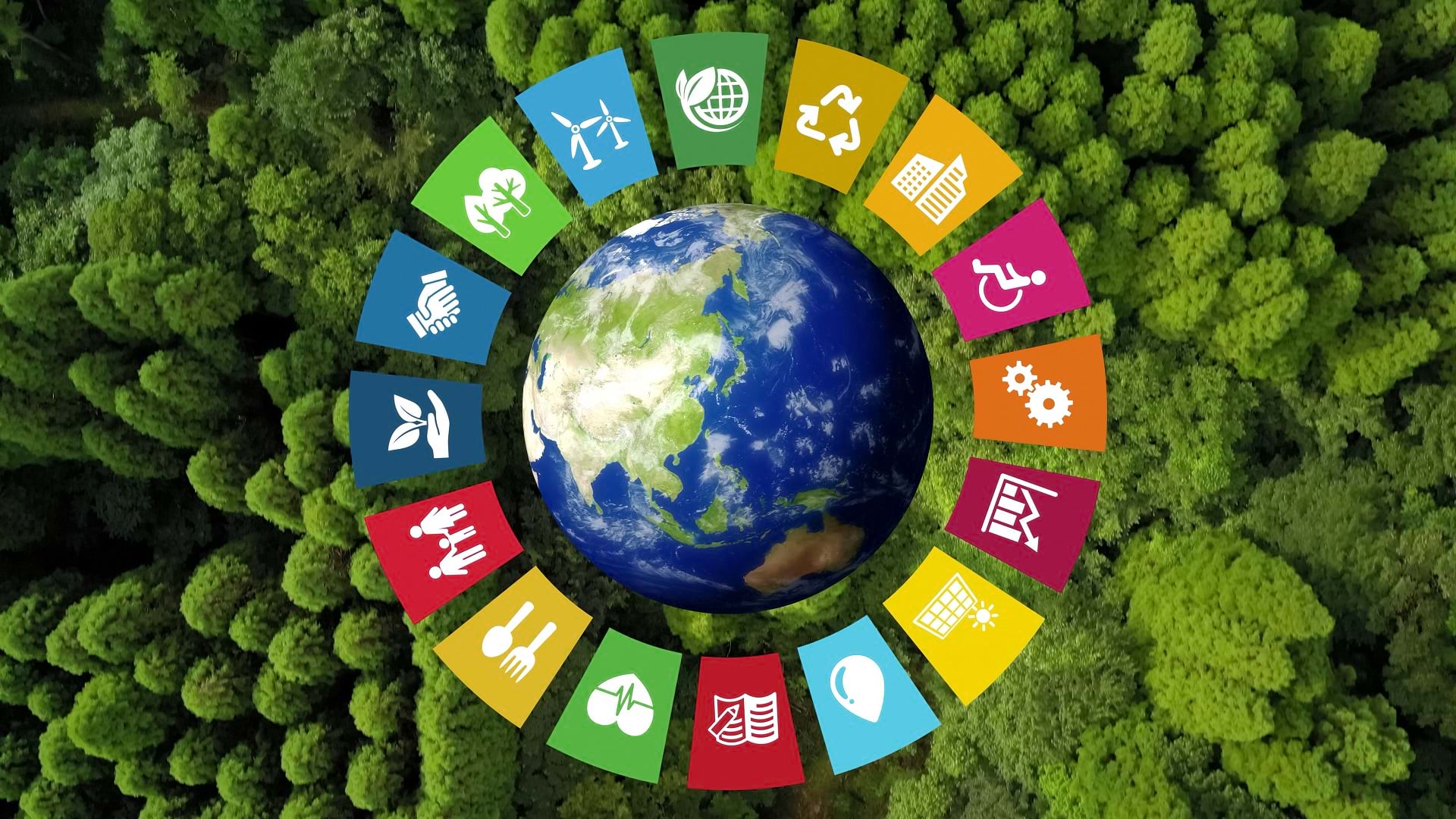
At the core of these long-term goals is the idea of sustainable development, which calls for meeting the needs of the present without compromising the ability of future generations to meet their own needs. This principle has become a cornerstone of global environmental policy, embedded in frameworks like the SDGs and the Paris Agreement. However, achieving sustainability is no small feat. It requires policies that balance ecological health with economic development, creating a future in which both people and the planet can thrive.
The Role of Global Policy Frameworks
International frameworks and agreements play a critical role in aligning countries’ efforts toward shared environmental goals. Global environmental governance has evolved from isolated efforts to a more integrated, cooperative model, where nations, international organizations, and even private sector actors collaborate to address pressing environmental issues.
The Paris Agreement: A Model of Global Cooperation
One of the most significant environmental policy achievements in recent history is the Paris Agreement on climate change, adopted in 2015. The agreement marked a landmark shift in the way countries approach climate change by fostering a collective, long-term vision for reducing global greenhouse gas emissions and limiting global warming to well below 2°C, with efforts to limit the temperature increase to 1.5°C. The Paris Agreement highlights the importance of environmental horizons by setting a clear long-term objective—limiting global warming—while encouraging short-term action through nationally determined contributions (NDCs).
The agreement exemplifies how global environmental challenges require a hybrid approach, one that involves both urgent action (e.g., emission reductions, renewable energy investments) and long-term strategic planning (e.g., carbon neutrality, adaptation strategies). By combining immediate actions with long-term visions, the Paris Agreement offers a roadmap for tackling climate change on a global scale.
Biodiversity and the Convention on Biological Diversity (CBD)
The Convention on Biological Diversity (CBD) provides another example of a global framework that sets long-term goals for environmental protection. The CBD, signed in 1992, emphasizes the importance of conserving biodiversity, sustainably using biological resources, and ensuring the fair and equitable sharing of benefits arising from genetic resources. With targets such as the Aichi Biodiversity Targets, the CBD sets long-term policy goals to protect ecosystems, species, and genetic diversity.
In recent years, the Post-2020 Global Biodiversity Framework was adopted under the CBD, setting ambitious goals for halting biodiversity loss by 2030. This framework envisions a future where biodiversity is mainstreamed into policy, business practices, and social systems, with targets focusing on habitat restoration, species protection, and the integration of nature into global economies.
The Challenge of Policy Implementation
While setting long-term environmental goals is a crucial step, the real challenge often lies in translating these aspirations into actionable, effective policies. The gap between international agreements and local implementation is a common issue. Countries may face challenges such as political opposition, economic constraints, and the difficulty of coordinating across sectors.

One of the primary challenges in policy implementation is the issue of policy coherence. Environmental policies often interact with a variety of other policy domains, such as trade, energy, and agriculture. Misalignment between these policies can hinder the success of environmental initiatives. For example, subsidies for fossil fuels in many countries undermine efforts to transition to renewable energy. As a result, effective policy implementation requires a holistic approach, where environmental goals are integrated into all aspects of governance, from economic policy to social welfare.
The Role of Technology and Innovation
In recent decades, technological innovation has played an increasingly important role in shaping environmental policy. The development of renewable energy technologies, electric vehicles, and advanced waste management systems has opened up new possibilities for addressing global environmental challenges.
For example, innovations in carbon capture and storage (CCS) and geoengineering are being explored as potential solutions to mitigate climate change, though their long-term implications are still debated. Similarly, the rise of circular economies, which aim to reduce waste and encourage the reuse of materials, has gained significant attention as a sustainable alternative to the linear economic model. These innovations represent the intersection of environmental concerns with technological advancement, and they are poised to play a significant role in shaping both short-term and long-term policy agendas.
Public Awareness and Activism
A crucial force in shaping global environmental policy is the growing public awareness of environmental issues. From grassroots movements to high-profile campaigns, citizens around the world are increasingly vocal about the need for urgent action on issues such as climate change, deforestation, and plastic pollution.
Activists like Greta Thunberg and organizations like Extinction Rebellion have successfully pushed environmental issues into the global spotlight, calling for immediate action and long-term change. Public pressure, combined with scientific evidence, has forced policymakers to prioritize environmental issues in ways that were previously unthinkable.
Environmental Horizons and National Policy
While international frameworks set the broad direction for environmental policy, national policies are often more directly shaped by the political landscape, economic priorities, and public opinion within individual countries. Nations with significant natural resources may focus on conservation and sustainable resource management, while industrialized nations may prioritize reducing emissions and transitioning to a green economy.
For example, Germany’s Energiewende, a comprehensive policy aimed at transitioning to renewable energy, highlights how a country can adopt a long-term strategy to reduce carbon emissions, promote renewable energy, and ensure energy security. Similarly, China’s Green Development Strategy focuses on balancing rapid economic growth with environmental protection, with a focus on clean energy and pollution control.
Conclusion
Environmental horizons, both short-term and long-term, play a pivotal role in shaping global policy. Short-term crises often spur immediate actions, while long-term sustainability goals require systemic changes and cooperation across nations. The intersection of these horizons leads to a dynamic policy landscape that must adapt to both urgent needs and future challenges.
As the global community continues to face complex environmental issues, it is clear that global policy must be both responsive and visionary, integrating immediate crisis management with long-term strategic planning. Only through such integrated approaches can we hope to build a sustainable, resilient world for future generations.