






Packing light for a trail expedition is both an art and a science. The thrill of hiking through mountains, forests, or remote wilderness comes with a price—your backpack. The heavier it is, the slower you move, the more strain on your body, and the less joy you experience along the trail. But packing light doesn’t mean sacrificing comfort or safety. It’s about efficiency, strategy, and mastering the delicate balance between “enough” and “too much.”
In this guide, we’ll explore every nuance of ultralight packing, from selecting the right gear to meal planning, clothing strategies, and psychological tricks for letting go of the “just-in-case” items that weigh you down. By the end, you’ll be ready to traverse trails with freedom, energy, and a smile.
1. The Philosophy of Packing Light
Before you touch your backpack, you need to embrace the mindset of minimalism in the wild. Packing light is not just about reducing weight; it’s about understanding what truly matters for your journey.
- Mobility Over Luxury: Every pound matters. A lighter pack translates to longer distances, faster recovery, and a more enjoyable experience.
- Prioritize Essentials: Ask yourself: “If I had to leave one thing behind, what would it be?” The answer often reveals the unnecessary clutter we carry.
- Quality Beats Quantity: Fewer items of superior quality outperform a bulk of mediocre gear. Lightweight, durable items often replace several heavier alternatives.
Think of your backpack as a mobile home for survival essentials—but nothing more.
2. Choosing the Right Backpack
Your backpack is the foundation of ultralight hiking. The wrong choice can make even a 20-pound load feel unbearable.
- Size Matters: For multi-day expeditions, a 40–50 liter pack is usually sufficient. Longer treks might need 60 liters, but avoid overpacking.
- Weight Distribution: Opt for backpacks with adjustable straps, load lifters, and a supportive hip belt. The goal is to shift weight from shoulders to hips.
- Ventilation and Comfort: Look for breathable back panels to reduce sweat accumulation. Comfort is key—your back is your engine.
Pro Tip: Test your packed backpack on short hikes before committing. Comfort is not negotiable.

3. Mastering the Gear Checklist
The key to packing light is critical gear selection. Every item should justify its presence with multiple functions.
3.1 Shelter and Sleep Systems
- Tent vs. Tarp vs. Hammock: Ultralight tents weigh 1–2 kg, while tarps or hammocks can be less than 1 kg. Consider weather, terrain, and personal comfort.
- Sleeping Bags and Quilts: Down insulation is lighter and more compressible than synthetic. Quilts reduce weight further by eliminating unnecessary bulk.
- Sleeping Pads: Inflatable pads provide comfort; foam pads provide durability. Choose based on terrain and weight considerations.
3.2 Clothing
Clothing is one of the heaviest contributors to backpack weight, yet it’s also one of the easiest to optimize.
- Layering System:
- Base layer: moisture-wicking and breathable.
- Mid layer: insulating (down or fleece).
- Outer layer: waterproof and windproof shell.
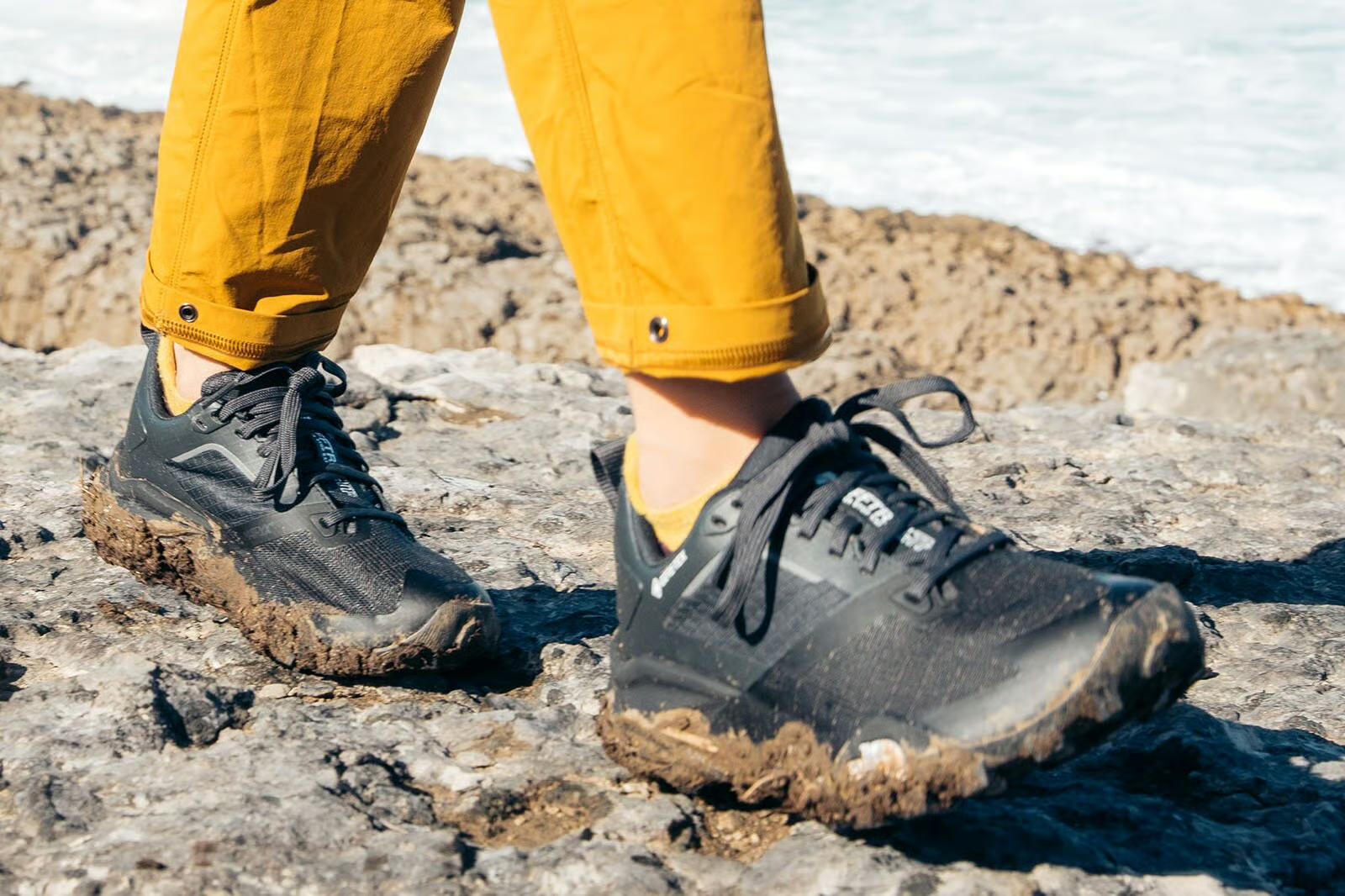
- Quick-Dry and Multipurpose: Convertible pants, lightweight shirts, and multi-use garments reduce overall load.
- Avoid Excess: Two changes of clothes are often enough for multi-day hikes. Nature provides the rest.
3.3 Cooking and Hydration
- Stoves: Lightweight canister stoves or alcohol stoves minimize fuel weight.
- Cookware: Titanium or aluminum pots weigh less than traditional steel. Only carry what you need.
- Water Management: Water filters or chemical treatment tablets are lighter than carrying large quantities of water.
3.4 Navigation and Safety
- Maps and Compass: Even if you carry GPS, don’t rely solely on batteries.
- First Aid Kit: Compact but comprehensive kits are available—focus on essentials.
- Multitools: Small, lightweight multitools replace several items in your kit.
4. Meal Planning for Ultralight Expeditions
Food is the lifeblood of any expedition, but it also accounts for a significant portion of pack weight. Strategic planning can reduce this dramatically.
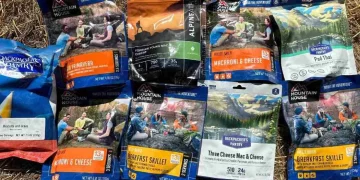
- Calorie Density: Prioritize foods with high calories per gram—nuts, dried fruits, jerky, dehydrated meals.
- Dehydration Strategy: Dehydrated meals weigh less; just add boiling water.
- Portion Control: Pre-measure meals to avoid carrying unnecessary weight.
- Energy Management: Balance carbohydrates, fats, and protein for sustained energy.
Pro Tip: Freeze-dried meals aren’t just light—they also save space and reduce cooking complexity.
5. The Art of Multi-Use Items
The ultralight hiker’s secret weapon is versatility. One item, multiple purposes:
- A bandana can serve as a towel, pot holder, sun shield, or water filter.
- Trekking poles double as tent supports.
- A poncho can be rainwear, groundsheet, or wind barrier.
Always ask: “Can this item perform more than one function?” If yes, it earns a spot in your pack.
6. The Rule of Three: Must-Haves for Survival
Experienced hikers often reference the Rule of Three:
- Three liters of water per day.
- Three days of emergency food.
- Three-layer clothing for varying temperatures.
This mental framework prevents overpacking and ensures that essential survival elements are never compromised.
7. Psychological Tricks to Reduce Pack Weight
Packing light is as much psychological as it is logistical.
- Visualize Your Journey: Mentally rehearse scenarios—this helps determine what’s truly necessary.
- Pack, Then Pare: Pack everything you think you need, then remove 20–30% of items. Most of the removed items are non-essential.
- Embrace Minimalism: Accept that discomfort is part of the adventure. Lighter packs often enhance the experience.
8. Weight Distribution and Packing Technique
Even the lightest pack can feel heavy if poorly packed.
- Core Packing: Place heavier items close to your back and centered.
- Compression: Use compression sacks to minimize volume.
- Accessibility: Items like snacks, rain jackets, and maps should be easily accessible without unpacking everything.
Pro Tip: Regularly repack after the first few days to optimize comfort as supplies are consumed.

9. Reducing Redundancy
Redundancy is a common weight trap.
- Avoid carrying multiple gadgets that serve the same purpose.
- Skip “just-in-case” items that have low probability of use.
- Merge items: one water bottle can double as a cooking vessel, one jacket can serve as a pillow.
10. Advanced Techniques for Ultralight Packing
For those who want to push boundaries:
- DIY Solutions: Homemade gear like homemade stoves or tarp shelters can drastically cut weight.
- Minimalist Hygiene: Carry small-sized essentials or multi-use hygiene items.
- Digital Tools: Replace physical maps and guidebooks with lightweight GPS apps (carry a backup battery).
Caution: Always balance minimalism with safety. Being too light can turn adventurous into hazardous.
11. Training and Conditioning
Packing light isn’t only about what’s in the bag—it’s also about preparing your body.
- Strengthen your core and shoulders to handle weight efficiently.
- Practice hiking with a progressively loaded pack to build endurance.
- Learn to read terrain and adapt pace—energy management reduces perceived weight.
12. Case Studies of Ultralight Expeditions
- Pacific Crest Trail Hikers: Many carry under 15 kg for months-long treks using multi-use gear, dehydrated meals, and minimal clothing.
- Alpine Climbers: Rely on ultralight tents, sleeping bags, and layers to move quickly and safely in harsh conditions.
- Backcountry Solo Trekkers: Emphasize compact navigation tools, calorie-dense meals, and water purification systems over luxury items.
Patterns emerge: weight-saving choices amplify both mobility and enjoyment.
13. Mistakes to Avoid
- Overpacking: The most common rookie mistake.
- Ignoring Weather: Ultralight doesn’t mean neglecting rain, wind, or cold.
- Carrying Duplicates: Double gadgets, clothing, or accessories increase weight unnecessarily.
- Neglecting Training: A lightweight pack is meaningless without the endurance to carry it efficiently.
14. Final Checklist for Packing Light
- Backpack: 40–50L, lightweight, ergonomic
- Shelter: Tent/tarp/hammock under 2 kg
- Sleeping system: Down quilt and lightweight pad
- Clothing: Three-layer system, multipurpose garments
- Food: High-calorie, dehydrated, pre-portioned
- Water: Filter/tablets, carry minimal liters
- Navigation: Map, compass, GPS backup
- Safety: Compact first aid kit, multitool, headlamp
- Extras: Multi-use items only
- Mindset: Minimalist, pragmatic, prepared
Packing light for a trail expedition is not about deprivation; it’s about freedom, efficiency, and adventure. Every ounce you save translates into a faster pace, less strain, and a more immersive experience. By combining smart gear selection, strategic planning, psychological tricks, and physical conditioning, you can unlock the ultimate joy of moving lightly through the wilderness.
Remember: the trail rewards those who travel light, both in body and in mind. So pack smart, hike hard, and let the mountains feel lighter beneath your feet.