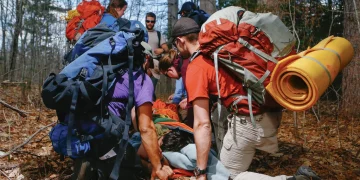







Fieldcraft is the art and science of operating effectively and safely in natural environments, whether in the wilds or on military deployments. From survivalists to outdoor enthusiasts and tactical experts, fieldcraft is a critical skill set. However, as straightforward as it seems, many individuals make common mistakes that can significantly undermine their abilities and even place them in dangerous situations. This article explores these common mistakes and how to avoid them to ensure your fieldcraft skills remain sharp, effective, and safe.
1. Overlooking Basic Preparation
Why It Matters: Preparation is the foundation of good fieldcraft. Whether you’re going on a hiking trip, a survival exercise, or a tactical mission, preparation can be the difference between success and failure. But too often, people neglect to properly plan or even underestimate the challenges they’ll face.
Common Mistakes:
- Not Understanding the Environment: Each terrain presents its own unique challenges. Failing to study the environment—whether it’s a desert, forest, or urban jungle—can lead to mishaps. For example, not recognizing the risks of dehydration in dry climates or the dangers of hypothermia in cold environments can quickly turn a safe expedition into a perilous situation.
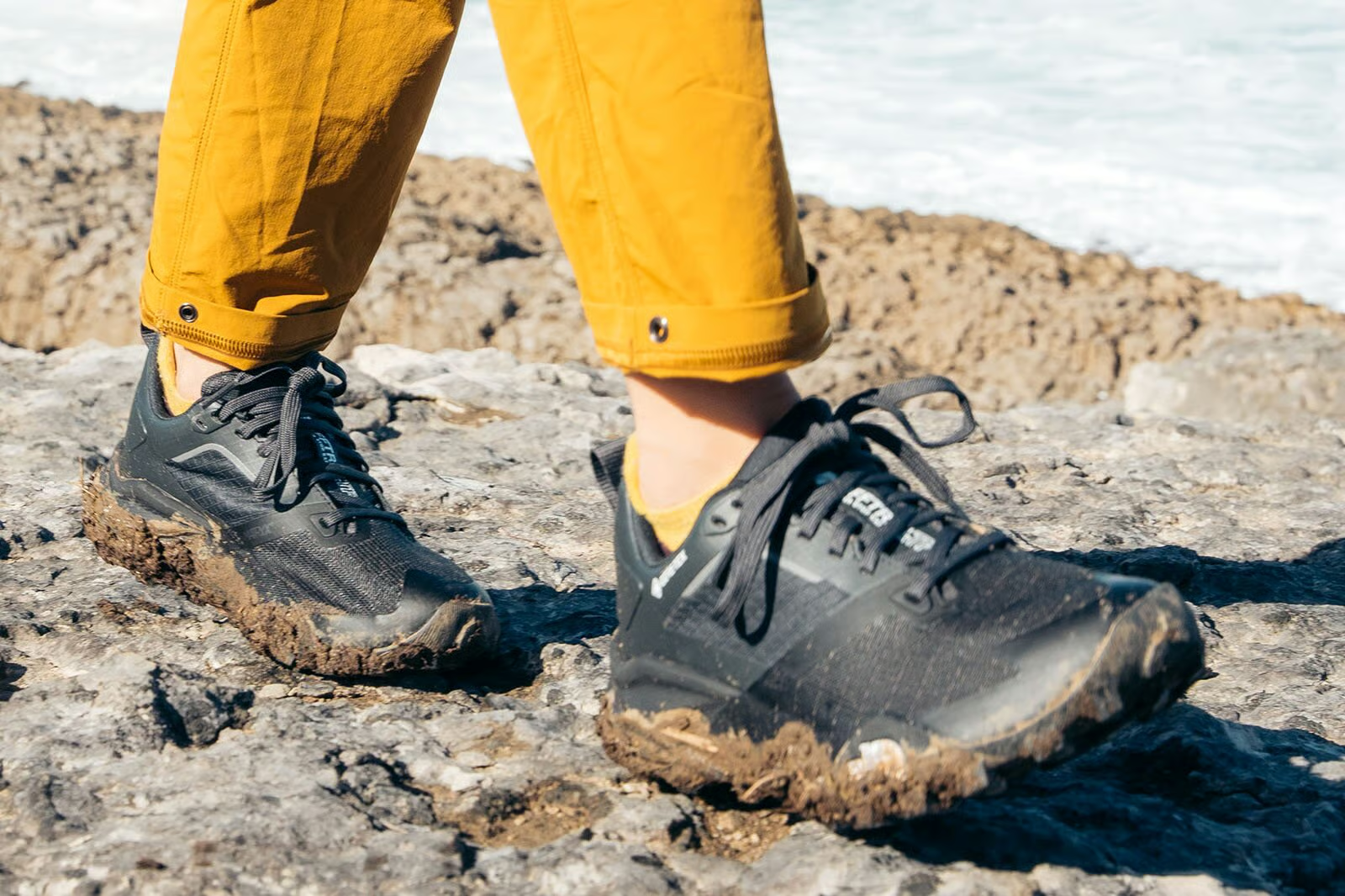
- Improper Gear Choices: Carrying inappropriate or insufficient gear is a grave mistake. Relying on a cheap compass, mismatched boots, or inadequate food rations can compromise your mission before it even begins.
Solution:
- Research the environment where you’ll be operating. Familiarize yourself with its climate, wildlife, and terrain features. This knowledge will guide your gear selection and your overall plan.
- Pack the essentials—tools for navigation, food, water, and protection. Always ensure your gear is in working order, and when possible, test it before you head out.
2. Neglecting Physical Fitness
Why It Matters: Fieldcraft is a physical activity, often requiring stamina, endurance, and strength. If you’re not physically prepared, even the simplest tasks can become much harder, and dangerous situations can arise from exhaustion or injury.
Common Mistakes:
- Underestimating the Physical Demands: Too often, people assume that fieldcraft is all about technical skills like map reading or fire-starting. But without the physical stamina to carry heavy gear, walk for hours, or climb difficult terrain, these skills can become irrelevant.
- Lack of Conditioning for Specific Activities: While general fitness is important, training for specific field scenarios like carrying a rucksack, navigating steep terrain, or handling extreme weather conditions can help improve performance.
Solution:
- Commit to regular physical training that mirrors the demands of field activities. This could include endurance training, strength training, and hiking with a weighted pack.
- Ensure your training is specific to the types of environments you’ll be navigating. For instance, if you’re heading to the mountains, practice with steep inclines. If you’re working in a desert, focus on heat tolerance.

3. Misunderstanding Navigation Techniques
Why It Matters: In the wilderness, or during a mission in unfamiliar territory, your ability to navigate could be your lifeline. Relying on technology can lead to disaster, especially when the battery runs out or your GPS fails. Mastering traditional navigation techniques is key to maintaining situational awareness and getting to your destination safely.
Common Mistakes:
- Over-Reliance on Technology: GPS devices, smartphones, and electronic compasses are excellent tools, but they can fail, especially in remote locations with poor signal or during harsh weather.
- Misreading the Landscape: Even with a map and compass, it’s easy to misinterpret the landscape. Failing to recognize natural landmarks or confusing a river for a trail can lead to dangerous detours.
Solution:
- Learn the basics of orienteering, including how to use a compass and read topographical maps. These skills don’t rely on electronics and can be used when all else fails.
- Practice navigation in varied environments to get a feel for different terrain and how to identify key features on a map and in the landscape.
4. Ignoring the Importance of Stealth and Observation
Why It Matters: In both tactical and survival scenarios, your ability to move without being detected can be the difference between success and failure. Similarly, the ability to spot signs of danger—whether it’s tracking wildlife or spotting an enemy—requires a keen eye and situational awareness.
Common Mistakes:
- Poor Concealment: Moving too quickly or failing to hide your tracks can alert others to your presence. For example, leaving behind distinctive footprints or using brightly colored clothing in a woodland area can make you stand out.
- Lack of Attention to Detail: People often fail to notice key environmental cues that could tell them more about their surroundings. This could be something as small as the movement of a branch or the unusual pattern of bird calls.
Solution:
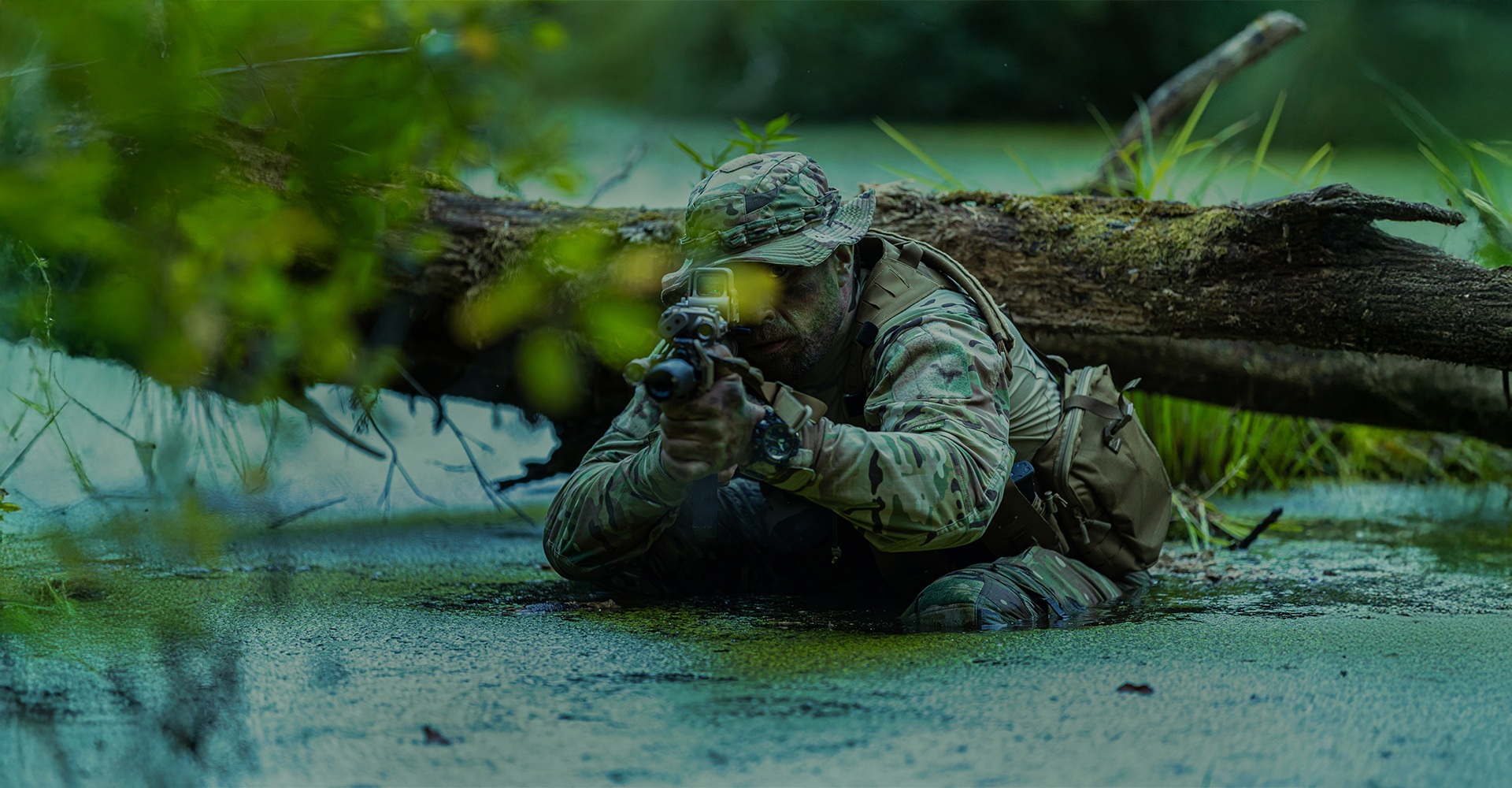
- Practice movement techniques that reduce your visibility, such as low crawling or shadowing terrain features. Blend with your environment by wearing natural-colored clothing and utilizing cover.
- Sharpen your observational skills by paying attention to natural cues. Get used to watching the behavior of wildlife, the pattern of the wind, and subtle changes in the landscape.
5. Failing to Master Firecraft
Why It Matters: Fire is one of the most critical survival tools. It provides warmth, light, protection, and a means of cooking. A failure to build or maintain a fire properly can lead to hypothermia, malnutrition, or worse.
Common Mistakes:
- Using the Wrong Materials: Not all wood is suitable for starting a fire. Wet wood, or wood that burns too quickly, can make fire building more difficult. Failing to gather enough dry tinder and kindling before attempting to start a fire can result in frustration and failure.
- Improper Fire Safety: Not understanding how to properly manage a fire can be dangerous. Leaving a fire unattended or not knowing how to safely extinguish it can cause wildfires or burns.
Solution:
- Learn how to start a fire in a variety of conditions (wet, windy, etc.). Always have multiple fire-starting tools (matches, lighters, fire starters) and ensure your tinder and kindling are dry.
- Build your fire in a safe, controlled area and always keep it manageable. Know how to put out a fire completely when you’re finished.
6. Underestimating the Importance of Water
Why It Matters: Water is essential to survival, and fieldcraft is no exception. Dehydration can impair judgment, reduce physical performance, and lead to life-threatening conditions like heat stroke or kidney failure.
Common Mistakes:
- Not Having Enough Water: Relying on water sources you haven’t verified or failing to carry enough water can lead to serious issues.
- Improper Water Treatment: Drinking untreated water from a stream or lake can introduce harmful pathogens, leading to gastrointestinal issues or even more severe illnesses.
Solution:
- Always carry a sufficient amount of water, and know how to find and purify water sources in the wild. Learn to use filtration systems, chemical treatments, or boiling techniques to make water safe to drink.
7. Disregarding Mental Toughness
Why It Matters: Fieldcraft isn’t just about physical skills—it’s also about mental resilience. The ability to stay calm under pressure, make quick decisions, and keep morale high in challenging situations can be the difference between survival and failure.
Common Mistakes:
- Giving in to Panic: Field scenarios can be stressful, and in high-pressure situations, panic can impair decision-making and cause you to make reckless choices.
- Lack of Situational Awareness: In high-stress environments, it’s easy to get tunnel vision or focus too much on one aspect of the situation, ignoring other critical signs or threats.
Solution:
- Train your mind to stay calm by simulating high-pressure environments during practice sessions. Visualize potential challenges and think through your responses in advance.
- Work on building emotional resilience through mindfulness, breathing exercises, and setting mental goals.
Conclusion
Mastering fieldcraft is about much more than technical skills or knowing the right gear. It’s about preparing yourself mentally and physically, being aware of your surroundings, and responding to challenges with resilience and adaptability. By avoiding these common mistakes and continuously refining your skills, you can significantly improve your effectiveness and safety in the field.